

(CHICAGO, ILLINOIS, UNITED STATES) — If you were flying American Airlines through Chicago today, you may have seen delays stack up fast after a reported incident involving a snow melter at O’Hare International Airport triggered a temporary ground stop.
The disruption surfaced on Wednesday, Dec. 31, 2025, when aviation reports indicated a snow melter at ORD reportedly caught fire. American is a major operator at O’Hare, so even a short operational pause can ripple into missed connections, rebooked itineraries, and late inbound aircraft across the network.
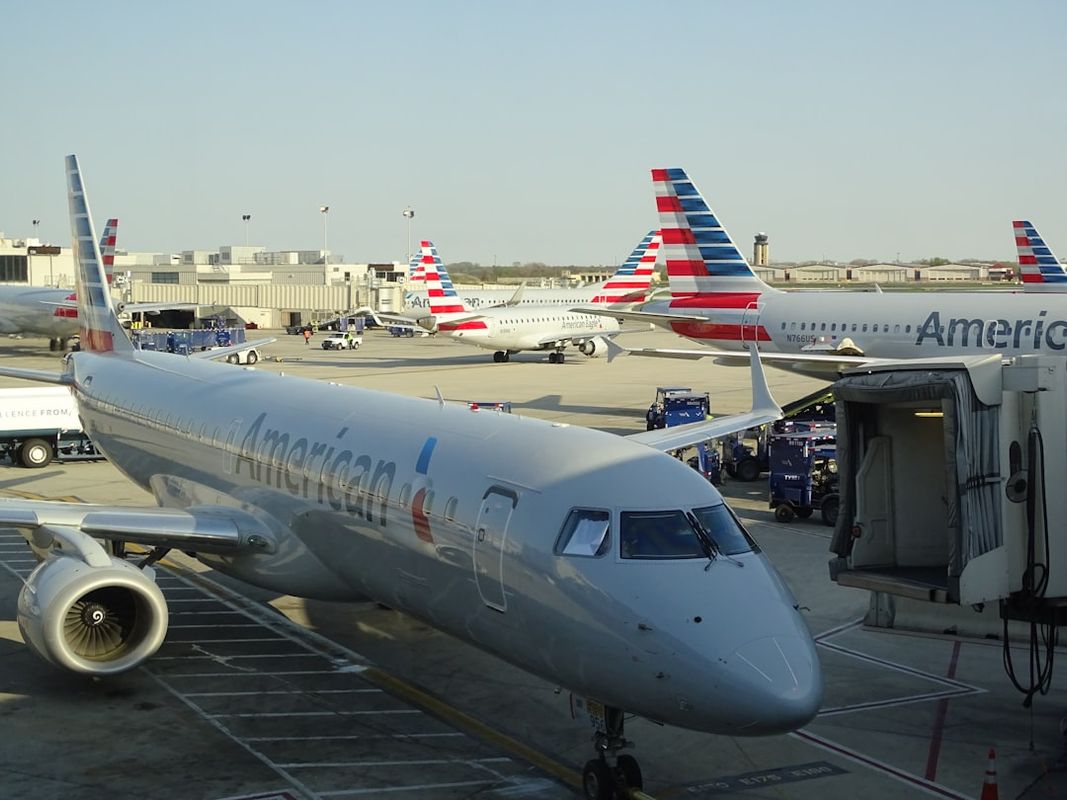
American Airlines and airport authorities had not published a detailed timeline in public-facing updates by the time travelers began sharing delay experiences. The FAA’s NAS status page earlier in the morning showed ground stops at other large airports, but did not list an ORD-specific advisory at that update.
What happened at O’Hare, and why it matters
Snow melters are part of the winter toolkit at O’Hare. They help crews remove snow from airfield areas and keep operations moving when plows and de-icing alone aren’t enough.
When something in that chain fails, ORD can slow down quickly. O’Hare’s winter operations are a high-wire act: the airport runs dense arrival banks, tight taxi routes, and complex gate schedules. Any constraint can lead to cascading effects.
Common operational consequences include:
- Aircraft held at gates longer than planned
- Departures pushed into long lines, then into crew timeouts
- Missed connections to smaller Midwest cities with fewer later options
A ground stop also tends to hit connecting travelers hardest. That’s because a single delay can break an itinerary that was built around a 45- to 90-minute connection.
What you should do right now if you’re traveling
You’ll save the most time by acting before you’re standing in a rebooking line. The AA app is usually the fastest path to alternatives when irregular operations hit.
⚠️ Heads Up: If your inbound flight is late, your outbound may still show “on time” until the aircraft assignment updates. Check the aircraft’s inbound status.
Here are the most useful places to monitor in near real time.
| Tool | What it tells you | Best use |
|---|---|---|
| FAA NAS Status | Ground stops, delay programs, airport constraints | Confirms systemwide flow restrictions |
| AA app / AA.com | Your rebooking choices, seat inventory, standby | Fastest way to switch flights |
| Airport departure boards | Gate changes and actual push times | Best for same-day gate chaos |
Miles, points, and status: what this can cost you
Winter disruptions can create a hidden penalty for frequent flyers: you can lose the trip you needed for elite qualification, or get rerouted onto flights that earn differently.
For American AAdvantage members, the practical impacts come down to what you were ticketed on and how you rebook:
- Paid tickets: American generally allows changes without a change fee on most domestic itineraries, but fare differences can be steep during IRROPS. If only expensive seats remain, a “free” change can still cost real money.
- Award tickets: If you cancel and redeposit, you typically preserve your miles. The bigger risk is award space disappearing while you wait.
- Status chasers: A misconnect on Dec. 31 can be painful if you were counting on the trip for Loyalty Points or last-minute flying. If you’re rolling into 2026 short, a same-day reroute can decide your status fate.
If you’re choosing between taking a later AA flight or accepting an interline-style reroute, focus on what keeps your trip intact. A slightly longer routing can save your hotel night and your plans.
Competitive context: why O’Hare disruptions aren’t just an “American problem”
O’Hare is a major hub for both American and United. When ORD constrains departures or arrivals, you’ll often see delays spread across multiple carriers. Passenger experience can differ based on each airline’s backup options:
- American at ORD: Strong domestic coverage and frequent regional connections. Limited alternatives can exist on late-night banks.
- United at ORD: Another large hub operation, which can mean more same-day routings for some city pairs.
- Low-cost carriers: Often fewer frequencies. If you miss one flight, the next one might be tomorrow.
It’s smart to compare same-day options across airlines when you’re booking winter travel through Chicago. One extra frequency can be the difference between “late” and “overnight.”
A reminder: American has had other O’Hare incidents this year
This snow-melter-related disruption is separate from a June 12, 2025 incident in which passengers recorded a flame burst near the wing on American Airlines Flight 2537 departing O’Hare for Tucson. That flight returned to the gate, and reports later indicated no engine fire.
Incidents like these tend to go viral, but the bigger traveler takeaway is simpler: O’Hare is a complex operation, and winter adds friction. When something unusual happens on the field, the schedule margin disappears.
Booking advice for Chicago in winter
If you’re planning ORD travel in January or February, a few choices can reduce your odds of getting stuck:
- Favor earlier flights. Morning departures usually have more recovery options.
- Avoid tight connections at O’Hare in winter. Give yourself buffer time.
- Keep an eye on aircraft type and routing. Nonstops beat connections when weather is messy.
If you’re flying today or tonight, keep your phone handy and make one proactive move: lock in an acceptable backup flight in the app as soon as it appears, even if your original still looks mostly on time.
A fire involving a snow melter at Chicago O’Hare on New Year’s Eve 2025 caused operational delays for American Airlines. The incident disrupted a critical winter tool used for airfield maintenance, leading to ground stops and connection risks. Travelers are advised to monitor the AA app and aircraft inbound status to navigate potential missed connections and preserve year-end elite status qualification.


