- American Airlines implements stricter attendance enforcement for pilots during irregular operations, potentially increasing flight cancellations.
- Pilot unions express concerns over fatigue and safety, arguing that stricter rules pressure crews to fly when exhausted.
- Operational recovery remains slower than competitors following major winter storms, leading to votes of no-confidence in leadership.
American Airlines has tightened how it treats pilot call-outs and reporting during irregular operations, and that can mean more last-minute flight cancellations when the airline can’t legally staff a departure. If you’re flying American during winter storms or peak disruption days, plan for longer recovery times and build in more buffer.
1) Overview of the new pilot attendance policy
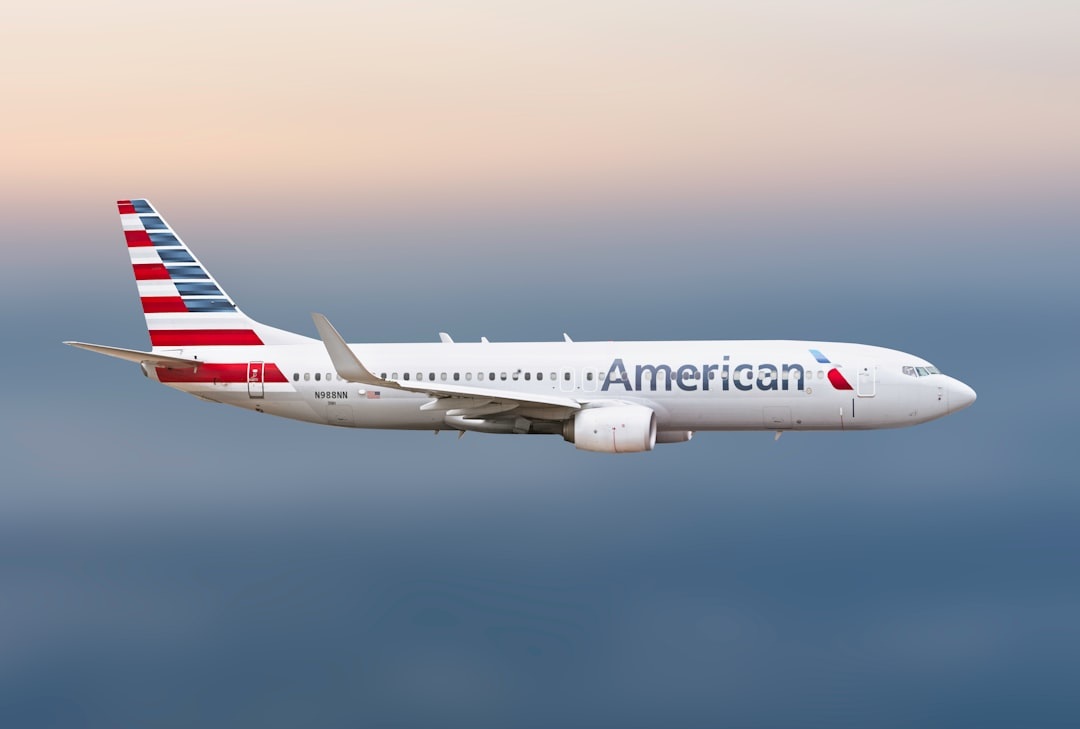
An airline “attendance policy” is the rulebook that covers when pilots must report, how sick calls are handled, how reserve pilots are assigned, and what triggers discipline. It also sets expectations during recovery periods, when schedules are being rewritten hour by hour.
What’s new here is the emphasis. American Airlines is applying stricter handling of attendance during irregular operations, often called IROPs. That surfaced after major disruption events, including Winter Storms Fern and Gianna. Those storms triggered multi-day operational failures and widespread rebooking chaos.
Pilots argue the policy is being framed as “attendance,” but it functions as a safety line. If a pilot is fatigued, they may be unable to accept an assignment. That is not optional in airline operations. Fatigue management is central to compliance, and it’s a core part of safety culture.
Before/After: what travelers are likely to notice
| Before (typical disruption handling) | After (stricter IROPs attendance emphasis) | |
|---|---|---|
| Crew availability during storms | More flexibility to reshuffle pairings and stretch reserves | Higher chance a flight cancels if a legal, rested crew isn’t available |
| Day-of-travel reliability | More delays, but some flights still “found” crews late | More hard cancels when staffing can’t be fixed quickly |
| Rebooking experience | More rolling delays and gate holds | More rapid reaccommodation, but into fewer remaining seats |
2) Context: Weather disruptions and operational impact
Multi-day storms don’t just cancel flights. They scramble the entire chessboard.
Winter Storms Fern and Gianna created classic cascading failures. Aircraft ended up away from where they were scheduled next. Crews timed out or were stranded. Passengers misconnected across hubs. Once that happens, airlines triage.
IROPs recovery decisions usually prioritize: – getting aircraft and crews repositioned – protecting the next day’s schedule – using reserves where they still exist – reducing downstream cancellations
That’s why attendance expectations become contentious. A pilot may be reassigned multiple times in a day. Reporting times can shift. Hotel and transport plans can collapse. Meanwhile, the airline is trying to restart a network that’s partly out of place.
3) Union perspectives and safety rationale
The Allied Pilots Association (APA), which represents more than 16,000 pilots at American, has made fatigue and safety the center of its argument. In the union’s view, tougher attendance enforcement during IROPs risks pressuring pilots to “make it work” when they are not rested.
That framing matters. Airlines can’t treat fatigue as a preference. It’s tied to operational risk management and regulatory compliance. A “yes” from a tired crew can be the wrong answer, even when passengers are desperate to get home.
APA President Nick Silva escalated the issue in a Feb. 6, 2026, letter to the American Airlines board. Those letters are a pressure tool. They elevate the dispute beyond daily operations and into governance and safety oversight.
Management has its own counter-pressure. Cancellations are expensive. They crush customer trust. They also jam hubs and create crew and aircraft gridlock. During a storm recovery, a single crew shortage can trigger a chain of knock-on cancellations.
4) Passenger frustration and disruption consequences
For you as a traveler, the policy fight shows up in messy, real ways: – tight connections that become impossible during rolling delays – standby disputes, especially on earlier departures – last-minute seat moves as the airline consolidates flights – missed boarding when gates are under extreme time pressure
Some travelers have described doors “closing early.” In reality, recovery pushes crews and gate teams to hit narrow pushback windows. If a plane misses its slot, it can lose its place in line. That can cause more missed connections later.
The bigger issue is consistency. When frontline explanations vary by gate or agent, fairness feels random. That is when anger spikes, even if the underlying cause is crew legality.
5) Broader operational context and corporate actions
A slow recovery is usually visible before the first cancellation posts. Call centers back up. Hotel rooms run out. Crews struggle to find rest. Aircraft routing becomes a game of minimizing future damage.
Reports of frontline workers sleeping on floors are a red flag. It suggests resource bottlenecks during surge events. Add corporate layoffs in November 2025, and it’s easy to see why some employees and unions question resilience.
No single factor explains a storm meltdown. Weather is the spark, but staffing depth, IT systems, lodging contracts, and hub congestion decide how long the pain lasts.
6) Safety standards and contract provisions
“Rested crews” isn’t a talking point. It’s a practical requirement that shapes whether a flight can depart at all.
Pilot contracts and operating rules also affect recovery tactics. One example is deadheading. That’s when pilots ride as passengers to reposition for a later flight. Contracts can also influence who gets priority for premium seats close to departure, which can squeeze last-minute upgrades and even some reaccommodation options.
This is where passengers feel the squeeze. The system may prioritize moving crews into place over moving individual travelers on the most convenient flight. During IROPs, that tradeoff becomes stark.
On passenger rights, the U.S. approach is still limited compared with Europe. EU-style compensation is tied to delay length and circumstances, but it does not map cleanly to most domestic American itineraries. U.S. protections lean more on refunds for canceled flights and airline policies for delays.
7) Union actions and leadership accountability
A “no-confidence” statement is a formal signal that a union’s relationship with leadership has broken down. It doesn’t remove a CEO, but it raises the temperature fast.
– APA issued a no-confidence statement on Feb. 6, 2026. – APFA, the flight attendant union with more than 28,000 members, voted unanimously for no confidence on Feb. 9, 2026.
These are two operationally critical workgroups. When both are aligned against leadership, IROPs often get worse before they get better.
The dispute also has a governance layer. CEO Robert Isom’s 2025 compensation was cited at $13.2 million, amid weak quarters and competitive underperformance. The board backed Isom, and reportedly offered him to meet APA rather than granting direct access to the board.
📅 Key Dates: APA no-confidence (Feb. 6, 2026) and APFA no-confidence (Feb. 9, 2026). Late-2026 contract talks are the next major flashpoint.
8) Leadership response and future plans
Isom has said the airline will address storm handling, attendance policy friction, and a 2026 business plan. In plain English, “storm handling” usually means better pre-cancel decisions, more realistic recovery schedules, and clearer playbooks for hubs.
For passengers, the customer experience parts that matter most during IROPs are simple: – faster rebooking, ideally in-app – proactive updates before you reach the airport – consistent hotel, meal, and transport handling when disruptions snowball
Isom also pointed to network maximization and partnerships. When those work, they widen rebooking options. When they don’t, you get bottlenecked on a few remaining seats.
Competitive context matters here. Delta and United have invested heavily in operational recovery and communication over the last decade. American has improved in pockets, but it still lags in many disruption metrics that frequent flyers track.
9) Negotiations and next steps
Negotiations slated for late 2026 are the next big marker. Topics could include scheduling rules, fatigue protections, staffing levels, and discipline processes tied to attendance.
Here’s what you should watch operationally over the next storm seasons: – whether American pre-cancels earlier to protect the next day’s schedule – whether day-of-travel cancellations spike versus delays – whether reaccommodation gets faster, even if routings are less convenient – whether communication becomes more consistent across hubs
Mileage and points angle: cancellations can be a mixed bag. If American rebooks you into a higher cabin on the same paid ticket, you may earn more miles, but it’s not guaranteed. If you take a refund and rebook elsewhere, you could lose elite-qualifying credit on the canceled segment. Award travelers should also expect tighter last-seat availability during IROPs, since reaccommodation consumes inventory quickly.
⚠️ Heads Up: If a winter storm is forecast, book earlier nonstops, avoid tight connections, and screenshot your original itinerary. Those three steps reduce your odds of being stranded during mass flight cancellations.
End your next American booking with a disruption plan: choose a routing with backup options, favor morning departures, and keep enough miles or points ready for a same-day “escape” ticket when the network starts to crack.