- Airlines are increasingly punishing skiplagging by targeting frequent flyer accounts and elite status.
- Skiplagging involves booking a longer itinerary but exiting at a connection to save money.
- Risk factors include lost checked luggage and automated cancellations of remaining trip segments.
(UNITED STATES) — Major U.S. airlines are getting more aggressive about punishing skiplagging, and the biggest thing you can lose isn’t your seat — it’s your frequent flyer account. If you care about miles, elite status, upgrades, or future travel flexibility, now is the moment to treat hidden-city ticketing as a high-risk move, not a “clever hack.”
Airlines have always disliked skiplagging. What’s changing is the enforcement posture. More cases are surfacing where repeat behavior triggers account action and even multi-year bans. And airlines are better at spotting patterns than most travelers realize.
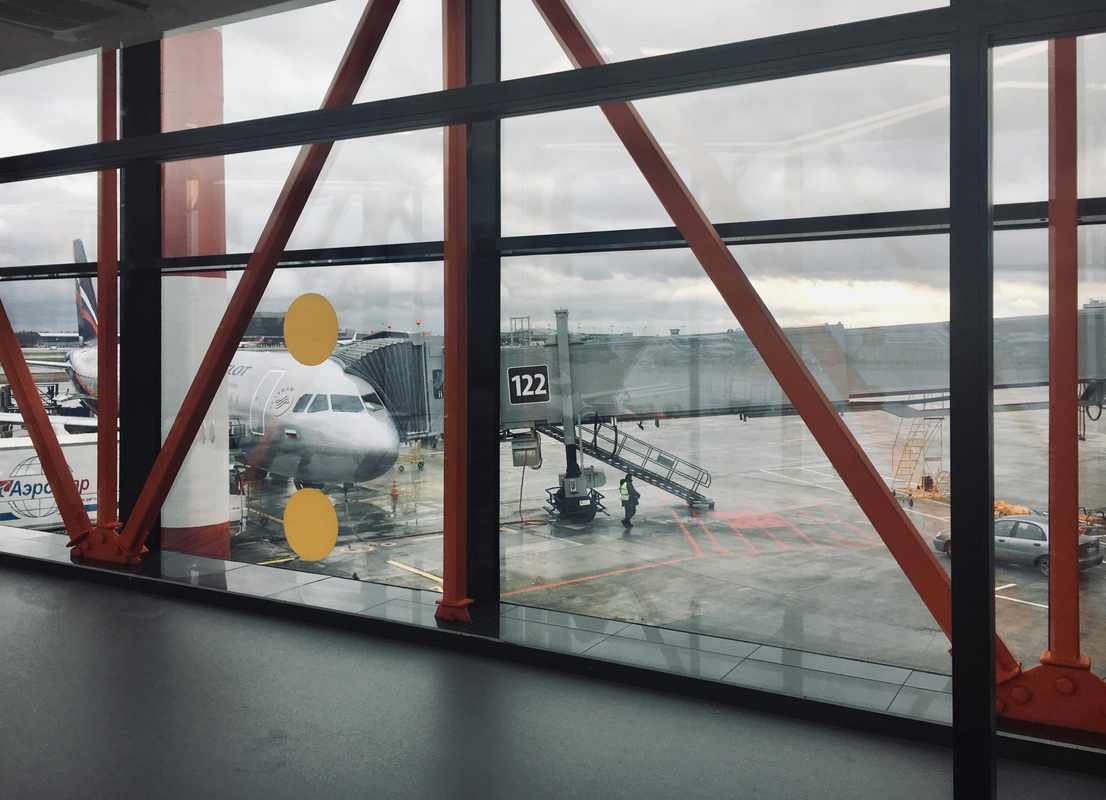
1) What is skiplagging (hidden-city ticketing) and how it works
Skiplagging, also called hidden-city ticketing, is when you book an itinerary to a farther “ticketed” destination, but you intentionally exit at the connection city. You then skip the final leg.
The logic is simple. Airline pricing is not strictly “distance-based.” It’s demand-based. A nonstop to a popular city can cost more than a connecting itinerary that happens to pass through that same city.
Here’s a concrete example:
- You want to fly New York → Charlotte.
- The nonstop New York → Charlotte is expensive.
- You find New York → Charlotte → Dallas priced cheaper.
- You book to Dallas, but you get off in Charlotte and never fly Charlotte → Dallas.
That price quirk exists because airlines price routes by competition, hub power, and local demand. Charlotte might be dominated by one carrier. Dallas might have more competition, or different fare buckets.
Airlines can also detect skiplagging more easily than people think. Common signals include:
- Repeated no-shows on the final segment, especially on the same city pair.
- Booking patterns that look like fare “arbitrage” on hub routes.
- Duplicate or overlapping bookings that create impossible travel sequences.
- Automated scans that flag inconsistent, repeated “missed last leg” behavior.
One skipped leg might look like a mistake. A pattern looks like intent.
2) Airlines’ stance and bans in Conditions of Carriage
On major U.S. airlines, skiplagging is generally treated as a rules violation under the Conditions of Carriage. Those contracts typically prohibit intentionally missing flight segments, including hidden-city behavior.
In plain English, airlines view this as buying transportation under terms you never planned to follow. And they reserve broad rights to respond.
Across the big U.S. carriers, the consequence buckets tend to look like this:
- Cancel any remaining legs on the itinerary.
- Void the ticket, or reprice it to what you “should have paid.”
- Withhold or claw back miles, credit, and elite progress.
- Close or restrict a loyalty account.
- Refuse future bookings, including multi-year or lifetime bans.
Enforcement is also repeatable. It can scale up fast when a pattern is detected. If the airline believes you intended to do it, the tone changes.
⚠️ Heads Up: If you’re chasing status, skiplagging risk isn’t just losing a flight. It can mean losing your elite benefits for the entire year.
3) Documented enforcement cases and legal context
The most important legal framing is also the least exciting. In the U.S., skiplagging is usually a contract issue, not a criminal one.
There is no broad federal law that makes hidden-city ticketing a crime. The real exposure is civil and contractual:
- The airline can claim you breached the contract you agreed to.
- The airline can take loyalty-account action under program terms.
- The airline can refuse service in the future, within its policies.
Real-world enforcement has included bans after repeated patterns. One widely cited example involved a traveler receiving a multi-year ban after the airline spotted repeated skiplagging tied to his home airport.
There’s also the long-running tension between airlines and tools that highlight hidden-city fares. United’s lawsuit against Skiplagged.com ended in a procedural dismissal. It didn’t create a green light for skiplagging. It signaled how strongly airlines feel about it, and how willing they are to fight the ecosystem around it.
4) Practical risks, consequences, and mitigation tips
Even if an airline never confronts you, skiplagging can fall apart operationally. These are the pitfalls that catch people off guard.
Checked bags are the biggest trap.
Your bag is tagged to the ticketed final destination. If you exit early, your bag likely continues without you. In many airports, you can’t reliably intercept it.
No-show logic can nuke the rest of your trip.
If you miss an early segment, airlines often cancel everything that follows. That includes your connection, and often your return.
Roundtrips are especially risky.
Skip the outbound, and your return may auto-cancel. Skip any segment, and the remaining itinerary can unravel.
IROPs can ruin the “hidden city.”
Weather, crew issues, and ATC delays trigger reroutes. The airline might send you around your intended connection city. You could end up at the ticketed destination, or somewhere else entirely.
Duplicate and overlapping bookings can trigger automated cancellations.
Airline systems increasingly flag conflicting reservations. If you have overlapping flights, you may lose the one you wanted.
Patterns raise the stakes.
A one-off might slide by. Repeat behavior can trigger scrutiny. That’s when account action becomes more likely.
From a loyalty perspective, the most painful outcomes aren’t the day-of hassles. They’re the back-end penalties: mileage forfeiture, elite downgrade, or account closure.
5) Industry impact, market dynamics, and antitrust considerations
Skiplagging exists because airline pricing is built for network economics, not traveler intuition.
Airlines sell two core products at once:
- Transportation between two cities.
- Access to a network, with hubs feeding spokes.
At hubs, airlines often have pricing power. They argue skiplagging breaks revenue management, displaces higher-paying passengers, and can distort forecasting on high-demand local routes.
Market structure matters here. The big four carriers control about 80% of U.S. flights. That concentration is one reason nonstop and short-haul hub routes can price painfully high.
There are also prevalence claims floating around. One estimate puts skiplagging at about 15% of flights, though measurement is messy. Not every missed last leg is intentional. People misconnect. Plans change. Emergencies happen.
The antitrust argument comes down to consumer price pressure. Critics claim that banning hidden-city behavior, and targeting tools that surface it, can reduce price transparency. They argue it can help preserve higher fares on direct routes. One consumer-harm estimate tied to this debate is roughly $2 billion annually, though it depends heavily on assumptions.
None of that changes the practical reality for you. Airlines still write the rules. They still enforce them. And loyalty accounts are their easiest lever.
6) Current status and outlook (as of early 2026)
As of early 2026, there’s no broad move toward permitting skiplagging. Enforcement persists, and the trend line points toward more detection, not less.
At the airport or with customer service, here’s what you can realistically expect if something flags:
- You may be asked to confirm your ticketed final destination.
- Agents may re-accommodate you in ways that break the “hidden-city” plan.
- Repeat patterns are more likely to trigger account-level review.
The direction of travel is clear. Airlines are leaning harder on automation. They are connecting loyalty data, ticketing patterns, and irregular-ops handling. That makes repeat skiplagging easier to spot and easier to punish.
What this means for loyalty members by tier
Hidden-city ticketing is a loyalty problem first, and a fare problem second. The higher your status, the more you stand to lose.
| Traveler profile | What you have at risk | Why enforcement hurts more |
|---|---|---|
| No status / basic member | Future travel restrictions, ticket repricing | You may not have priority support to recover quickly |
| Entry-level elite (Silver / Gold equivalents) | Status for the year, upgrades, better seats | Losing status can cost hundreds in waived fees and seat value |
| Mid-tier elite | Bonus miles, fee waivers, same-day changes | Those benefits often outweigh a one-time fare gap |
| Top-tier elite (1K / Executive Platinum / Diamond) | Highest upgrade priority, wide fee waivers, partner perks | Account action can wipe out years of earning strategy |
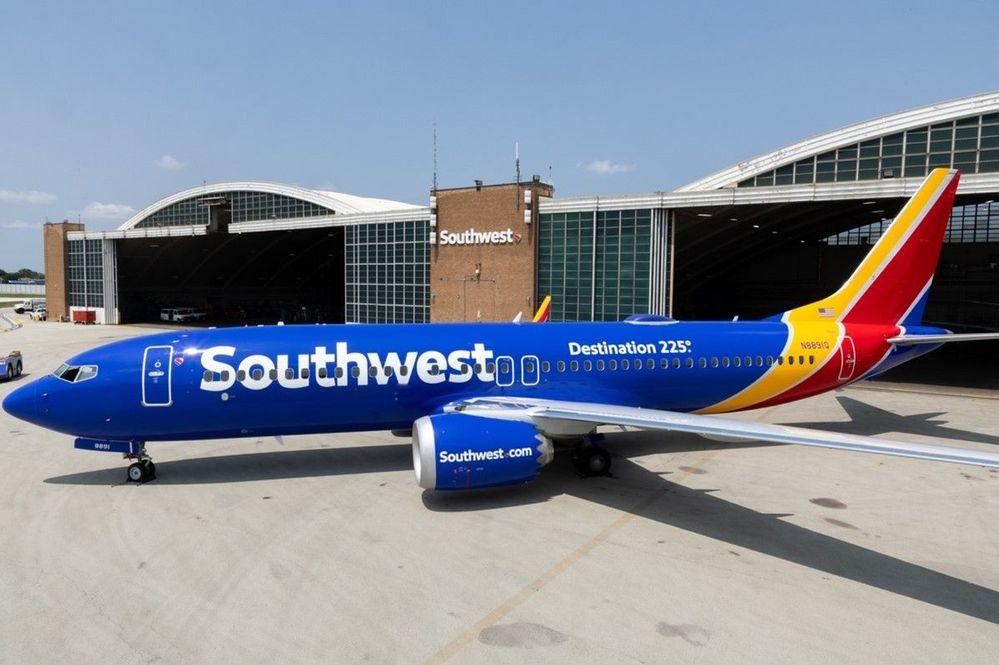
| Southwest A-List / Companion Pass holders | Boarding priority and companion value | One enforcement event can threaten outsized savings on repeat trips |
Earning and points implications you should consider
Even when an airline doesn’t immediately penalize you, skiplagging can contaminate your loyalty math:
- Flights may be denied credit after review.
- Miles can be forfeited, especially if intent is alleged.
- Elite-qualifying activity can be reversed.
- Award tickets can be impacted if an account is restricted.
If you’re building toward status, the risk-reward is usually lopsided. A $60 fare difference isn’t worth losing a year of perks.
💡 Pro Tip: If a nonstop is pricey, look for legal alternatives first: nearby airports, a true multi-city ticket, or a separate positioning flight you actually plan to fly.
Timeline and action items (February 2026)
There’s no single deadline here. This is an enforcement climate shift, not a one-day policy update. Your best move is to treat 2026 as the year airlines tighten the net.
Action items that protect your miles and status:
- Re-read your airline’s Conditions of Carriage and loyalty terms before experimenting with anything “creative.”
- Avoid itineraries you can’t complete if you have checked bags or tight schedules.
- If you’re chasing elite status, keep your flying patterns boring and defensible.
- If a fare looks too good, price-check nearby airports and true connecting itineraries you’ll actually fly.
- If you must change plans mid-trip, document it and contact the airline promptly. Don’t create a repeat pattern.
If you value your miles and status, the safest play in 2026 is simple: book flights you intend to fly, and don’t build a loyalty strategy around hidden-city ticketing.