Key Takeaways
- Trump proposes using private forces for deportations, raising legal, ethical, and operational questions about accountability and enforcement standards.
- Current policies have intensified ICE efforts, with daily arrest quotas of 1,200 and expanded collaboration with state agencies.
- Deporting 1 million immigrants could cost $88 billion; private forces would add contract negotiations, increased oversight, and higher expenses.
In a recent declaration, President Donald Trump, currently running for re-election, indicated he “wouldn’t be opposed” to employing private forces for deportations if he were to reassume office. This statement has reignited heated discussions surrounding immigration enforcement, accountability, and the role private entities could play in carrying out federal immigration policies. Trump’s proposal would mark a significant change in how the U.S. manages deportations and raises practical, legal, and ethical questions.
The Current Landscape of Immigration Enforcement
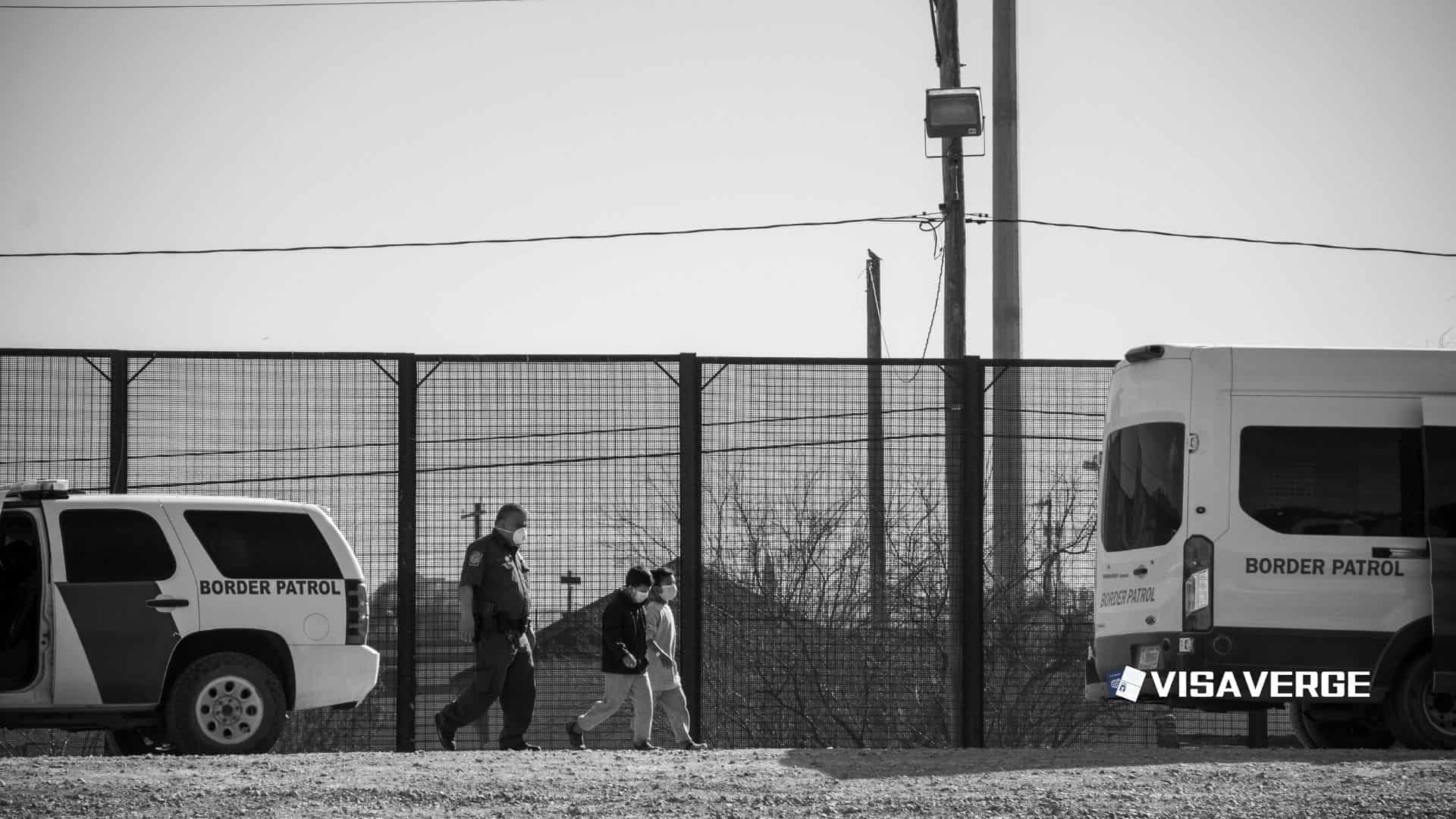
Immigration and Customs Enforcement (ICE) is the primary federal agency responsible for enforcing U.S. immigration laws. Within ICE, the Enforcement and Removal Operations (ERO) division handles tasks like identifying, detaining, and removing individuals who violate immigration laws. Under the current administration, there has been significant growth in ICE’s activities. For instance, it was reported in February 2025 that ICE has entered into new agreements with local police departments, including an expanded partnership with the Florida Highway Patrol. These agreements allow local police to assist federal agents in identifying and detaining undocumented immigrants, effectively broadening the reach of immigration enforcement at a local level.
However, Trump’s statement proposing private forces introduces an entirely new set of complexities into this framework, potentially altering the enforcement landscape in unprecedented ways.
Trump’s Vision for Deportations
During his first term, Trump prioritized aggressive immigration enforcement. His administration implemented several measures designed to ramp up deportation efforts. For instance:
- Deployment of BORTAC Units: In early 2020, the administration deployed the Border Patrol Tactical Unit (BORTAC), which functions similarly to a special forces team, to target sanctuary cities that had limited cooperation with federal immigration authorities.
-
Operation Palladium: This campaign saw the deployment of 500 special agents to conduct intensive arrest operations across multiple cities.
-
Expanded Deportation Authority: Agents from other federal agencies, such as those focusing on drug and weapon enforcement, were also given the authority to detain and deport undocumented immigrants.
Trump’s latest proposal builds on these earlier strategies but takes them a step further. By integrating private forces into deportation activities, his plan raises a series of questions about oversight, efficiency, and fairness in immigration enforcement.
Concerns and Challenges of Private Forces
The use of private forces for deportations is not without its challenges, and such a move would likely face intense scrutiny at multiple levels. Key issues include:
- Legal Hurdles: Federal law enforcement is bound by strict regulations and accountability measures. Extending enforcement duties to private entities could spark lawsuits and court challenges questioning whether such a practice violates federal laws or constitutional protections.
-
Accountability: Federal agencies like ICE are subject to audits, oversight by Congress, and internal reviews. Private entities, however, operate under different rules and often lack the same level of accountability. This could potentially lead to misuse of power or improper enforcement tactics.
-
Training and Standards: Federal agents undergo rigorous training in immigration law, civil rights, and safe detention practices. Questions would arise about whether private forces could meet these same standards and whether their actions might lead to unintended consequences, such as unnecessary force or legal violations.
-
Impact on Communities: Immigrant communities may feel an increased sense of fear and vulnerability over the presence of private forces. This could, in turn, reduce cooperation with law enforcement, making neighborhoods less safe overall.
-
Cost Implications: According to available estimates, deporting 1 million immigrants could cost over $88 billion. Adding private forces to the mix would almost certainly increase these costs further due to the need for contract negotiations, additional supervision, and oversight mechanisms.
Recent Shifts in Immigration Policies
In the backdrop of Trump’s statement, the current administration has made significant changes to immigration enforcement. Since January 2025, several policies have intensified ICE’s activities, including:
- National Arrest Quotas: Federal officers now have a daily arrest target of 1,200 individuals, more than doubling prior quotas.
-
Increased Detention Capacity: Efforts are underway to secure more detention beds for holding undocumented immigrants.
-
Collaboration with States: States such as Texas have committed resources to assist federal immigration efforts, further strengthening the reach of ICE operations.
While this toughened enforcement approach aligns with some aspects of Trump’s earlier policies, it remains grounded in government entities. Private forces, in contrast, represent uncharted territory with uncertain outcomes.
Practical and Global Implications
Implementing private forces for deportations would face logistical, diplomatic, and operational challenges. Deportation operations require coordination among multiple agencies, cooperation from destination countries, and adherence to international laws governing the treatment of non-citizens. The involvement of private forces could complicate these processes. Countries asked to accept deportees, for instance, might be resistant if private forces are involved, fearing a lack of legal oversight or potential abuse.
Additionally, this proposal would likely influence the public perception of immigration enforcement. While some voters may view private forces as a solution to increase efficiency, others may argue that such tactics could undermine trust in the U.S. immigration system. Given the complexities involved, the debate is unlikely to subside anytime soon.
What Comes Next?
As the 2025 presidential campaign heats up, immigration policy will undoubtedly remain a key talking point. What steps could we see in the near future?
- Legislation: Congress may propose new bills to clarify the scope of immigration enforcement powers, potentially setting limits or guidelines on the role private forces could play.
-
Court Rulings: Anticipated legal challenges could shape how enforcement policies evolve, particularly if Trump’s proposal is implemented or tested.
-
International Relations: Any changes in deportation policies involving private forces could affect relationships with countries required to accept deported individuals.
-
Public Opinion: Immigration enforcement methods, especially controversial ones like private forces, often spark intense public debate, further influencing policymakers.
As noted by VisaVerge.com, decisions on immigration enforcement policies do not simply affect undocumented immigrants—they also shape how communities interact with law enforcement and trust the wider legal system. The introduction of private forces would possibly amplify these ripple effects, impacting not only immigrants but society as a whole.
Conclusion
President Trump’s openness to using private forces for deportations marks a notable and controversial shift in immigration enforcement strategies. If implemented, this policy could alter key systems governing U.S. immigration, from operational costs to public trust. However, the actual feasibility of this proposal remains uncertain due to the legal, ethical, and logistical barriers it faces.
Immigration remains one of the most divisive and evolving topics in American politics, with each administration leaving its own mark on enforcement policies. As the 2025 campaign progresses, these debates are sure to intensify, leaving voters to grapple with broader questions of fairness, accountability, and the role of both government and private entities in shaping the future of immigration enforcement. For further information on U.S. immigration matters, you can consult the official ICE website.
Learn Today
Immigration and Customs Enforcement (ICE) → A U.S. federal agency responsible for enforcing immigration laws and managing detention and deportation of undocumented individuals.
Border Patrol Tactical Unit (BORTAC) → A specialized, militarized enforcement team under the U.S. Border Patrol used for high-risk operations, including immigration enforcement.
Deportations → The formal removal of individuals from a country for violating its immigration laws or lacking legal residency status.
Private Forces → Non-government, contracted entities proposed or utilized to perform tasks typically handled by federal law enforcement agencies, such as deportations.
Accountability → The obligation to explain, report on, and take responsibility for actions, particularly within government or law enforcement operations.
This Article in a Nutshell
Trump’s proposal to use private forces for deportations sparks intense debate. While it could boost efficiency, critics warn of accountability and legal challenges. Could private entities uphold federal standards? This shift may reshape U.S. immigration enforcement, impacting costs, trust, and communities. As the 2025 election nears, America faces tough questions.
— By VisaVerge.com
Read more:
• Trump’s Bridge Deportations Stir Global Concern Over Power and Ethics
• Indian Migrants Face Perilous Journeys and Rising Deportations to India
• Blackwater-Linked Contractors Propose Civilian Force for Trump Deportations
• Punjab Police Raids 1,274 Immigration Firms Amid Surge in US Deportations
• Military Contractors Pitch Plan to Lead Mass Deportations in Leaked Documents