

Key Takeaways
- On March 25, 2025, Judge Buchwald issued a temporary restraining order halting the deportation of permanent resident Yunseo Chung.
- DHS seeks to revoke Chung’s residency after a minor misdemeanor at a March 5 pro-Palestinian protest, citing national security.
- Key legal hearings in Chung’s case, examining free speech and immigration rights, are scheduled for April and May 2025.
A federal court ruling has momentarily paused deportation efforts against Columbia University 🇺🇸 undergraduate Yunseo Chung, raising significant questions about the balance between immigration enforcement and free speech. On March 25, 2025, U.S. District Judge Naomi Reice Buchwald issued a temporary restraining order, allowing Chung, a 21-year-old permanent resident of the U.S., to remain free from detention while she fights the government’s decision to revoke her residency status. Chung, originally from South Korea 🇰🇷, has lived in the U.S. since she was seven years old. The case shines a spotlight on the intersection of immigration policy, constitutional rights, and political activism, sparking debates across legal, academic, and public spheres.
The Case of Yunseo Chung: A Closer Look
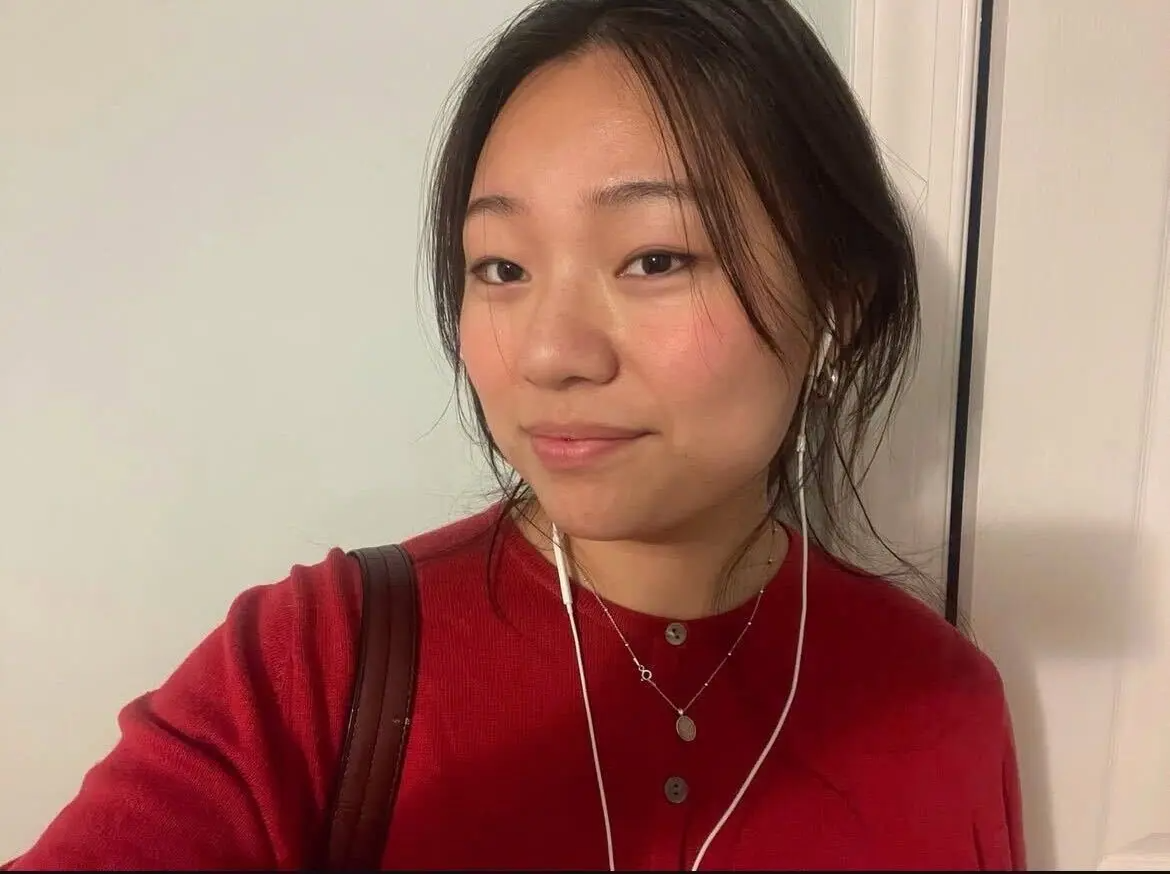
Yunseo Chung’s journey to becoming a central figure in this legal battle began with her life as a long-time resident of the U.S. Since moving to the country as a young child, Chung has thrived academically and personally, making the U.S. her home. She is currently a student at Columbia University 🇺🇸, an institution known for encouraging its students to engage in political dialogue and social activism.
The controversy began on March 5, 2025, when Chung participated in a pro-Palestinian protest held on campus. The protest, aimed at spotlighting Palestinian rights amid ongoing international conflicts, drew national attention. During the demonstration, Chung was arrested on a minor misdemeanor charge for obstructing governmental administration. This charge, while legally minor, created a domino effect that left Chung’s immigration status hanging by a thread.
Following the arrest, the Department of Homeland Security (DHS) initiated actions to revoke Chung’s status as a lawful permanent resident. Federal authorities claimed that her involvement in the protest posed a threat to U.S. foreign policy interests, arguing that such advocacy could have broader national security implications. Calling her participation “concerning,” DHS linked her actions to risks that, they argued, justified deportation proceedings. However, Judge Naomi Reice Buchwald’s decision to halt the deportation reflects mounting concerns about the federal government’s rationale in this case.
The Court’s Ruling and Its Significance
Judge Buchwald’s ruling was a critical milestone in Chung’s fight to remain in the United States. While the order is temporary, it challenges the reasoning behind the DHS’s actions. The court noted that there was insufficient evidence to label Chung a threat to public safety or U.S. foreign policy. The judgment also raised doubts about using political activism at a peaceful protest as grounds for revoking someone’s immigration status. Furthermore, the judge emphasized that labeling Chung’s conduct as a matter of national security lacked a factual basis, significantly undermining the government’s argument.
This case is now entering a more complex phase. While the March 25 ruling prevents Chung’s detention for the time being, legal proceedings are ongoing. Additional briefings are set for April, and oral arguments will take place in late May 2025. These hearings will dig deeper into Chung’s First Amendment claims, which argue that her right to free speech includes participation in peaceful protests, and her immigration rights, which afford her certain protections as a lawful permanent resident.
The Collision Between Free Speech and Immigration Policy
Chung’s situation has sparked major discussions about how immigration enforcement intersects with constitutional rights. Critics argue that the DHS’s actions signal a troubling shift in enforcement priorities, where noncitizens are at risk of severe consequences for engaging in political speech. This raises questions about whether this is an isolated issue or part of a broader trend that could discourage lawful residents from exercising their rights.
In particular, proponents of free speech rights have raised alarms over the implications for other immigrants and noncitizens. Human rights groups, student organizations, and legal experts have expressed concern that cases like Chung’s could set a dangerous precedent. If attending a peaceful protest can be used as justification for deportation proceedings, many fear that immigrants, including international students and permanent residents, may avoid activism altogether.
One of the most contentious aspects of this case relates to how pro-Palestinian advocacy is framed in the U.S. Critics argue that such advocacy is often unfairly conflated with extremism, discouraging activism and leading to what many consider unwarranted scrutiny. In Chung’s case, this argument has taken center stage, with activists and scholars questioning the connection between her peaceful protest and the DHS’s claims of a national security risk.
The Role of Higher Education in Political Activism
The case highlights challenges for American universities, particularly in their role as platforms for intellectual freedom and social debate. Institutions like Columbia University 🇺🇸 have historically been spaces where students feel supported in expressing their views, regardless of how controversial those views might be. However, when participation in activism can endanger a student’s immigration status, it could fundamentally alter the culture on college campuses.
For universities, this creates a difficult balancing act. On one hand, they have a responsibility to foster environments where students can speak freely. On the other hand, increased involvement in politically sensitive issues may expose schools to scrutiny or pressure from government entities. For students like Chung, this tension highlights the risks faced by those who engage in activism while navigating the complexities of their immigration status.
The case also serves as a reminder that the stakes for noncitizens are often higher than those for U.S. citizens when it comes to activism. A U.S. citizen embroiled in a similar situation might face misdemeanor charges and judiciary processes, but rarely would their ability to remain in the country be questioned. For Chung, a lawful permanent resident, these risks are far more severe—emphasizing how unevenly the consequences of political engagement can be distributed.
Broader Policy Trends Under Current Administration
The backdrop to Chung’s case includes evolving immigration policies under the Trump administration, which is now in its third nonconsecutive term. Since retaking office, immigration policies have become stricter, particularly as they relate to noncitizens involved in political activism. Government initiatives have increasingly used tools like visa revocations and deportation threats to marginalize dissenters or critics within immigrant communities.
Chung’s case draws attention to the ways in which campus activism has become a focal point in these policies. Activists argue that such targeting suppresses vital political dialogues and unjustly impacts individuals who lack citizenship protections. By connecting peaceful activism to national security threats, proponents of stricter policies gain leverage while critics raise alarms about civil liberties being undermined.
What’s at Stake for the Future?
The outcome of Chung’s case will likely influence broader discussions about the rights and responsibilities of immigrants and permanent residents in the U.S. From a legal standpoint, the case touches on vital constitutional questions about free speech and equal protection under the law. However, its impacts will also be felt outside the courtroom, reshaping cultural understandings of activism, immigration policy, and the limits of state power.
If DHS were to succeed in revoking Chung’s residency and deporting her, a precedent could be set that makes it easier to penalize noncitizens for participating in political protests. Such a precedent could dampen activism among immigrants, particularly those who already feel vulnerable due to their precarious immigration status. On the other hand, a ruling in Chung’s favor could strengthen protections for peaceful activism, affirming that constitutional rights extend broadly and inclusively within the U.S.
Final Thoughts
The legal journey of Yunseo Chung is far from over, but it has already ignited essential conversations. For immigrants, students, legal experts, and public institutions alike, the case presents a critical test of how far the government can go in policing political speech through the framework of immigration enforcement. As reported by VisaVerge.com, the U.S.’s approach to balancing immigration laws with constitutional principles is an issue of pressing concern, and the outcome of this case could ripple across these intersecting domains for years to come.
To learn more about lawful permanent residency and associated protections, you may refer to the official U.S. Citizenship and Immigration Services (USCIS) page, which offers comprehensive explanations of rights and responsibilities tied to permanent resident status.
Learn Today
Lawful Permanent Resident → A noncitizen legally authorized to live and work permanently in the U.S., also known as a green card holder.
Temporary Restraining Order (TRO) → A court order preventing specific actions temporarily until a full hearing can determine the case’s merits.
Deportation Proceedings → Legal processes to remove a noncitizen from the U.S. for violating immigration laws or posing potential threats.
National Security Risk → A threat that jeopardizes a country’s safety, stability, or strategic interests, often cited in immigration or enforcement cases.
First Amendment Claims → Legal arguments based on the U.S. Constitution’s guarantee of free speech, peaceful assembly, and expression without government interference.
This Article in a Nutshell
Yunseo Chung’s case highlights a pivotal clash between free speech rights and immigration enforcement. Arrested during a peaceful protest, the Columbia University student faces deportation as DHS labels her activism a national security threat. Judge Buchwald’s pause on deportation underscores growing concerns about silencing noncitizen activism, raising profound questions on constitutional protections and justice.
— By VisaVerge.com
Read more:
• Trump Blocks Judge’s Request for Deportation Flight Records
• Judge Boasberg Rules Deported Migrants Deserve Fair Legal Process
• Judge Upholds Block on Trump’s Use of Alien Enemies Act for Deportations
• Judge Reviews Use of Alien Enemies Act to Deport Venezuelans
• Judge Rules Indian Postdoctoral Student Cannot Be Deported by U.S.


