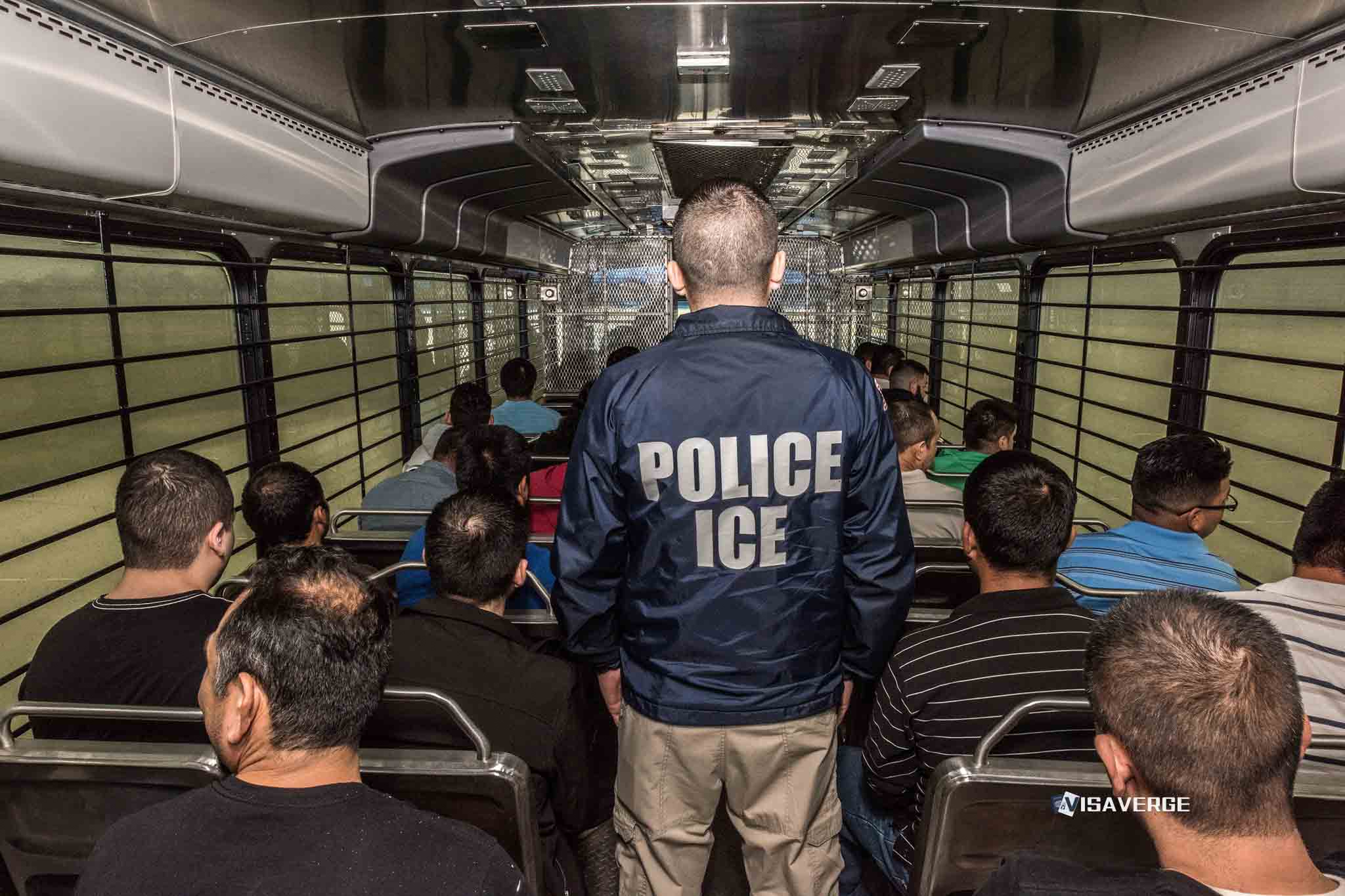
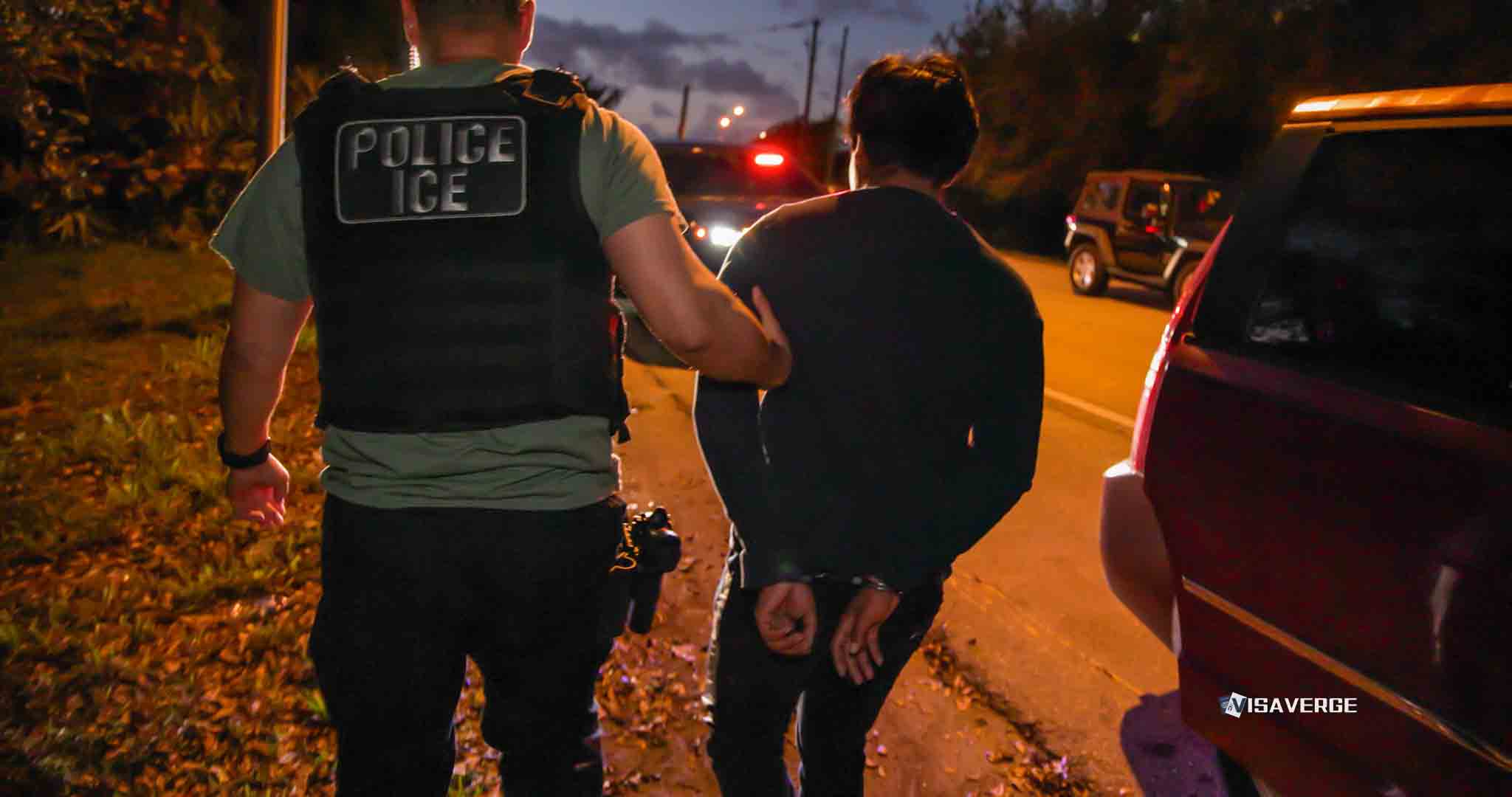
(PLEASANT PRAIRIE, WISCONSIN) — Rep. María Elvira Salazar (R-FL) amplified allegations that Uline used B-1 visas to bring Mexican workers to the United States for routine warehouse labor at sites including Pleasant Prairie, Wisconsin.
Salazar, often referred to as “Zamarripa” in some online discussions, pointed to a December 2025 Guardian investigation and a February 16, 2026, Urban Milwaukee article that described the arrangement at facilities in Wisconsin, plus locations in Pennsylvania and Florida. The reports framed the conduct as an alleged misuse of B-1 visas intended for business visitors, including certain temporary training, rather than regular U.S. employment.
Urban Milwaukee quoted Salazar linking the allegations to Uline owners Elizabeth and Richard Uihlein and their political giving, accusing them of hypocrisy while supporting immigration crackdowns. “The billionaire Uihlein family . have helped bankroll the very politicians . behind today’s out-of-control immigration crackdowns. Now we learn that workers in Pleasant Prairie say Mexican employees were pushed into dangerous, exhausting conditions.,” she said.
At issue is what B-1 visas permit versus what they do not, a distinction that immigration lawyers and advocates cited in the coverage described as central to compliance and enforcement. The reports described B-1 as generally meant for business visitor activities, and referenced B-1 visas “meant for employees who are entering the U.S. temporarily to receive professional training,” while emphasizing that B-1 status does not authorize regular U.S. labor for a U.S. employer.
The Guardian and Urban Milwaukee accounts alleged that workers entered the United States described as business visitors or trainees but then performed “normal work in Uline’s U.S. warehouses” without dedicated training, staying for 1-6 months. Lawyers and immigrants’ advocates cited in the reports called the practice “likely illegal” and tied that view to limits described in 8 CFR § 214.2(b) and INA § 101(a)(15)(B), which the coverage summarized as restricting productive employment beyond incidental activities tied to international commerce.
Reporting on worker logistics described employer coordination that, in the view of critics cited in the stories, made the stays look less like short business visits and more like a managed labor program. The accounts said Uline paid for flights to U.S. sites, placed workers in hotels near Pleasant Prairie, and covered lodging, food and rental cars during the assignments.
The same reports said wages were deposited into Mexican accounts at Mexican wage levels, which they described as significantly less than U.S. counterparts. Duration and job duties featured prominently in the scrutiny described by the articles, because the allegation centers on extended periods of standard warehouse work rather than short, specific business activity.
One follow-up Guardian story, as summarized in the recent coverage, highlighted Christian Valenzuela, a Mexican worker described as having a Uline letter requesting a B-1 training visa. Valenzuela said no training occurred, and workers received “the heaviest work,” including conditions he described as dangerous and exhausting, with punishment for speaking up.
Salazar’s comments and the renewed attention have also focused on the Uihleins’ prominence as Republican donors, including support for Donald Trump and immigration crackdowns, as described in the articles. Critics cited in the coverage argued that importing workers under a visa meant for business visitors while backing tougher immigration policies amounted to double standards, while the underlying allegations focus on legal visa misuse rather than undocumented status.
Uline has not issued a public statement directly addressing the Mexican worker B-1 allegations in available reports, and current reporting as of February 2026 did not describe publicly documented EOIR, USCIS, BIA, or ICE actions tied to the allegations. The reports described the claims as unadjudicated, even as experts cited in the stories argued the practices could violate rules that separate permissible business visitor activity from work that requires employment authorization.
Separately, a ProPublica article about H-1B visa efforts quoted Uline saying it “regularly seeks temporary work visas reserved for non-U.S. workers” to support its 5,200-employee, $3.6 billion business, and said the company denied Uihlein involvement in visa decisions. That account described a case in which Uline withdrew a lawsuit after USCIS approved a subsequent H-1B for engineer Nimdia, with a prevailing wage of ~$71,400, after earlier denials over inadequate “specialty occupation” details.
Zamarripa Pushes Uline Probe Over B-1 Visas for Mexican Workers
Representative María Elvira Salazar is drawing attention to reports that Uline utilized B-1 business visas to employ Mexican workers for warehouse labor in Wisconsin and other states. Allegations suggest these workers, paid at Mexican rates, performed standard labor rather than receiving professional training. This has sparked a debate over legal compliance and political hypocrisy given the owners’ support for strict immigration enforcement policies.