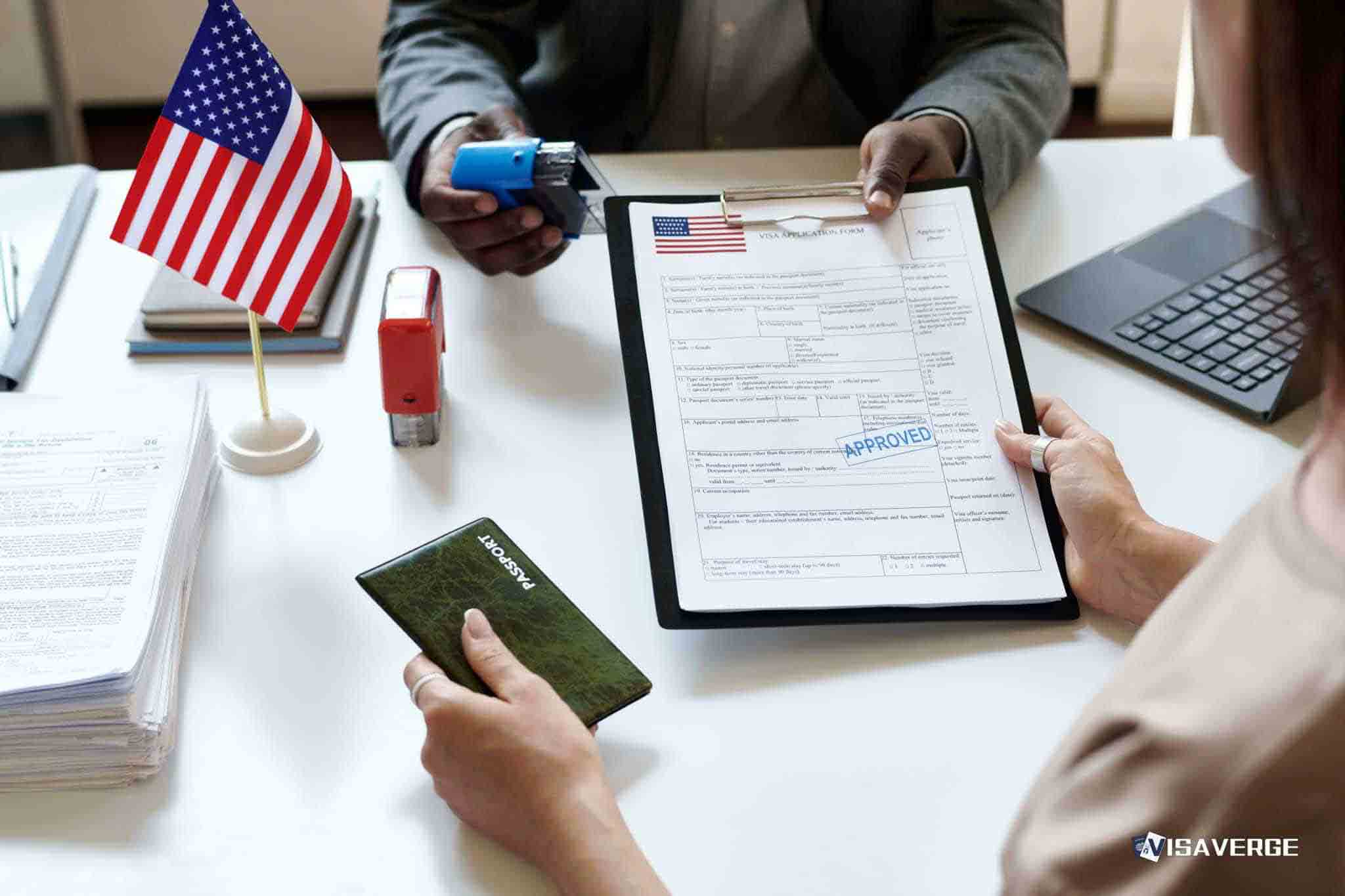
(PENNSYLVANIA) — ICE Detains migrants with valid work visas in Pennsylvania-linked enforcement actions that drew questions from state lawmakers and criticism from Rep. Summer Lee, as the Trump administration’s second term expands compliance-focused checks on employment-based immigration.
Pennsylvania lawmakers raised concerns about ICE arrests of migrants including Mr. Escalante and Mr. Flores, who had valid work visas and no criminal records.
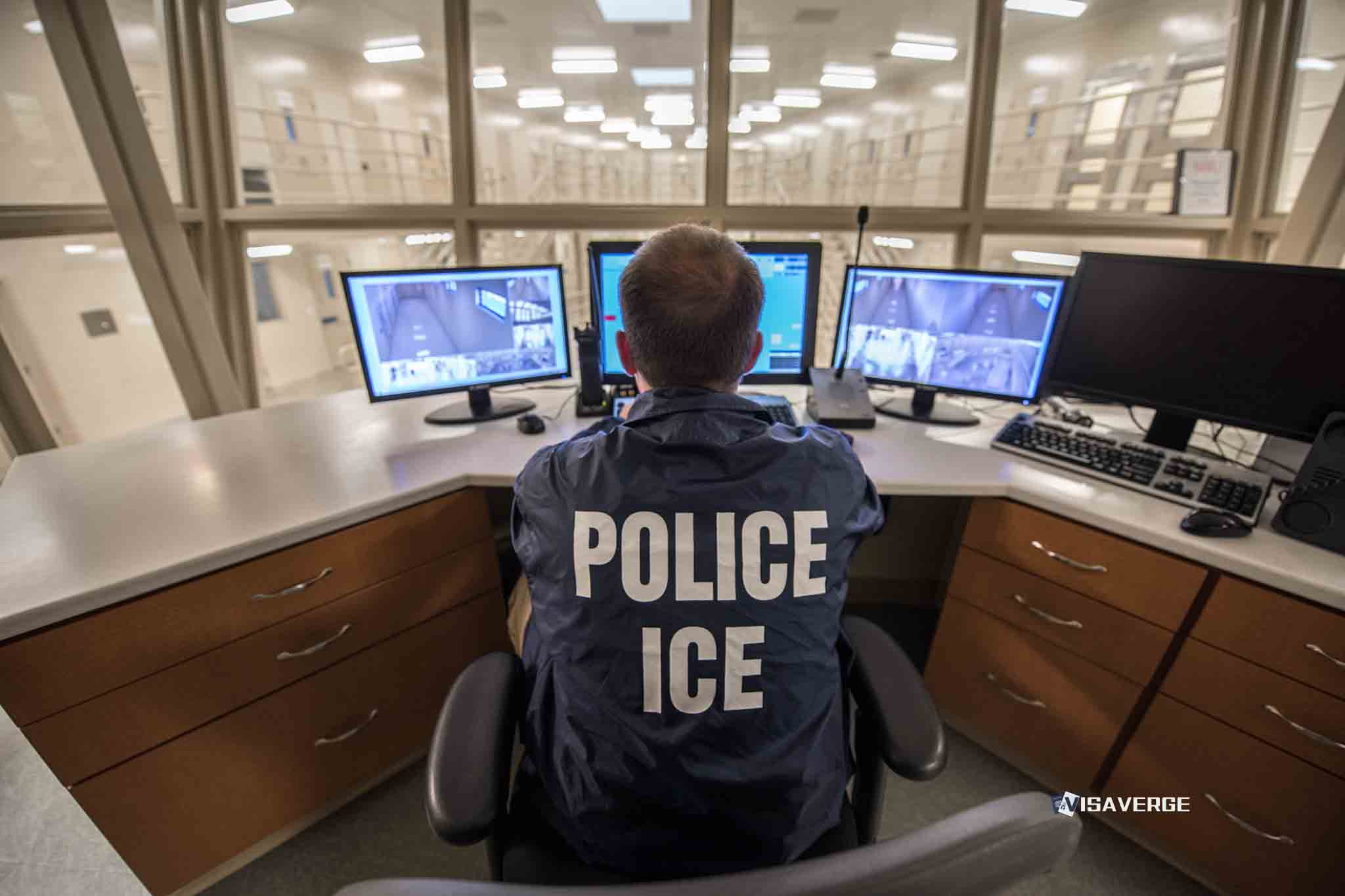
The detentions have drawn attention because lawful work authorization does not always prevent questioning or custody when ICE suspects a violation, an identity issue, or another enforcement basis tied to immigration or employment compliance.
Recent DHS and ICE policies under President Trump’s second term have expanded enforcement and prioritized compliance checks on work visas such as H-1B and L-1 through site visits and raids.
Those actions focus on verifying employment terms in petitions, including wages, job duties, and other conditions tied to work authorization, with activity that has targeted workplaces in education, manufacturing, health care, and childcare.
ICE encounters can unfold quickly, and the type of document agents present can shape what they can demand on the spot. Immigration lawyers and advocacy groups often distinguish between administrative immigration warrants and judge-signed judicial warrants because they carry different legal weight.
ICE agents typically present administrative warrants that are not signed by judges, according to the guidance summarized in the material. Without a judge-signed judicial warrant, an administrative warrant lacks full judicial authority for searches or arrests without consent.
During encounters, agents commonly ask for identification and immigration documents and may question people about immigration status, employment, and travel history. The material also says individuals, including work visa holders, can refuse to answer questions about immigration status or provide documents unless a judge-signed warrant or subpoena exists.
Detention can follow even when a worker believes their paperwork is in order, particularly when ICE alleges a mismatch between what a petition says and what an employee actually does. The material urges accuracy and warns against obstruction, emphasizing that people should not lie or provide false documents.
Once ICE takes someone into custody, agents typically begin booking and may transfer the person to another location. The steps can affect access to counsel, and the material says detainees should request to speak to a lawyer immediately.
Worksite enforcement adds another layer for employees and employers because the focus often centers on whether the job matches what immigration filings describe. The Trump administration’s second-term approach described in the material emphasizes compliance scrutiny tied to H-1B and L-1 and other employment-based classifications.
Site visits and raids described in the material aim to verify workplace details such as role, location, supervision, wages, and job duties. Even workers with a valid work visa can be affected if ICE alleges noncompliance, inconsistencies, or other violations connected to the terms of employment authorization.
Employers can face pressure points in these encounters because agents may seek access to parts of a facility not open to the public and may request documents tied to hiring and work authorization. The material says employers should review ICE documents, document agent names and badge numbers, and limit access to authorized areas, with many companies coordinating through HR and counsel.
Policy shifts can change how often such encounters occur and what enforcement teams emphasize. The material links the broader push to expanded enforcement under President Trump’s second term and cites policy shifts including refugee vetting memos from USCIS Director Joseph Edlow and Acting ICE Director Todd Lyons.
Supporters of compliance checks frame them as an enforcement tool aimed at suspected violations in the employment-based system, while critics say the approach can sweep in people who believed they complied with the rules. The material notes that enforcement trends have shown increased detentions even for those with valid status if violations are suspected.
Some high-profile detention stories also generate dramatic claims that can outpace verifiable records. The material flags the need to separate confirmed details from circulating allegations, and it notes that case outcomes can turn on fact-specific assessments under INA provisions and 8 CFR regulations.
In that environment, allegations can include accounts of agents “smashing car window” during an enforcement action. The material emphasizes confirmation standards and points to official records, court filings, and on-the-record statements as the typical sources used to verify contested details.
Where confirmations do emerge, they often come through charging documents, immigration court records, statements by counsel, and official agency communications. The material stresses that outcomes differ from case to case, even when individuals assert they held valid authorization to work.
Lee has criticized arrests of work visa holders tied to Pennsylvania-related detention stories, including those linked to facilities like Moshannon and the detention of Jose Flores, according to the material. The scrutiny has also extended to the broader question of how ICE weighs work authorization against suspected violations that agents believe justify detention.
After an ICE detention, procedural steps can move quickly and vary by case, including initial processing and custody decisions. The material points to common milestones that can follow, including the possible issuance of a Notice to Appear and custody or bond considerations, with access to counsel a central issue for detainees and their families.
ICE Detains Man with Valid Work Visa After Smashing Car Window
ICE has intensified enforcement in Pennsylvania, detaining migrants with valid work visas like H-1B and L-1. This shift, under the Trump administration, focuses on verifying employment terms through workplace raids. Lawmakers and advocates have raised concerns over the legal authority of administrative warrants versus judicial ones, urging workers to know their rights, remain truthful, and request immediate access to legal representation during detention.