

Key Takeaways
• Labor targets 2.3% of GDP for defence but critics demand at least 3% amid rising regional tensions and AUKUS commitments.
• Permanent migration is set at 185,000 for 2024–25, with more employer-sponsored visas and focus on skills and family reunification.
• Experts and businesses warn Australia’s immigration system remains too complex and slow, risking labour shortages and social strain.
Australia’s defence posture and immigration levels have become central points of discussion and critique under the current Labor government. With a federal election set for 2025, these issues are under more scrutiny than ever. While the government promises to make key changes in both areas, many experts and members of the public are not satisfied. They feel that the plans either do not go far enough or fail to address the real problems facing Australia 🇦🇺 today.
Let’s look closely at what the Labor government is doing about defence and immigration, and why these efforts continue to draw so much criticism.
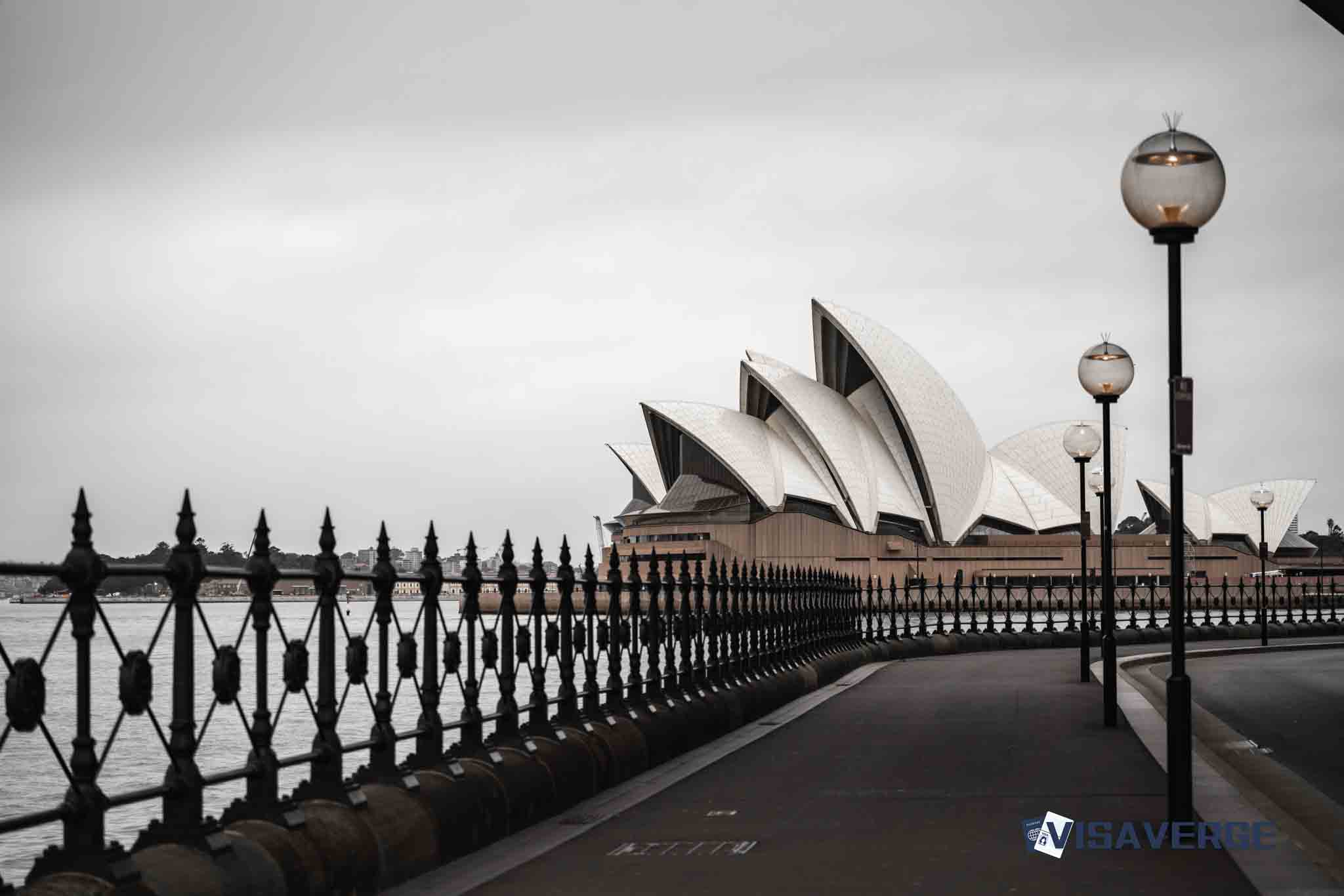
Australia’s Defence Posture under the Labor Government
What is Happening with Defence Spending?
The Labor government has promised to increase defence spending. Right now, Australia 🇦🇺 spends a little more than 2% of its total goods and services (GDP) on defence. The government says it wants to reach 2.3% over the next decade. This means more money each year for military equipment, training, and readiness.
However, many people, including the main opposition (the Liberal Party-led Coalition) and defence experts, feel this is simply not enough. They argue that Australia 🇦🇺 is facing new regional threats, especially from China 🇨🇳, which has recently increased its military activity and intimidation in the region. Tensions are also rising because of Russia 🇷🇺 and new global alliances.
Here are some main points critics make:
- Spending Not High Enough: The opposition wants defence spending to go even higher. They are asking for 2.5% within five years and 3% within ten years. They say Australia 🇦🇺 needs to spend this much to handle both ordinary military needs and its commitments to international alliances like AUKUS.
-
AUKUS Pressure: AUKUS is a security pact between Australia 🇦🇺, the United States 🇺🇸, and the United Kingdom 🇬🇧. As part of AUKUS, Australia 🇦🇺 will buy nuclear-powered submarines, a plan expected to cost about $368 billion AUD. Experts warn that unless Australia 🇦🇺 increases spending to at least 3%, it will not be able to afford these submarines and keep the rest of its military strong at the same time.
-
Not Enough Public Discussion: Both the government and the opposition have not explained enough to voters why these defence increases matter. Many people do not understand how extra spending will help national security. Without clear communication, it’s hard for the public to support spending billions more on defence.
-
Public Support Is Low: Only about one in three Australians currently supports raising defence spending. This is likely because voters do not know exactly what the new money will achieve.
What Are the Risks?
The biggest risk, according to experts, is that Australia 🇦🇺 ends up with a military that is stretched too thin. If the country buys expensive submarines but cannot spend enough on its other defence needs, it may weaken the rest of its armed forces.
There is also the risk of missing the moment. In a time when neighbouring countries are flexing their military muscle, not keeping pace could make Australia 🇦🇺 less safe, and perhaps less able to work with allies.
As reported by VisaVerge.com, analysis suggests that balancing such a large investment for submarines while keeping the rest of the military strong requires careful spending and clear plans. Falling short on either front could limit Australia’s 🇦🇺 options in a crisis.
Australia’s Immigration System under Labor
The Labor government is also facing criticism for how it handles immigration, an issue deeply tied to the economy and the makeup of Australian 🇦🇺 society.
Immigration Numbers and Policy Details
For 2024–25, the government has set a permanent migration target of 185,000 places. This is designed to:
- Fill gaps where skilled workers are needed, such as in healthcare, hospitality, education, and construction.
- Support needs in regional areas, not just cities.
- Make family reunification easier so families can live together if one member is already in Australia 🇦🇺.
A special focus has been put on employer-sponsored visas, which means companies can bring in workers with needed skills. The number of these visas has gone up compared to previous years.
While these plans sound good on paper, critics say the immigration system is still too messy.
Criticism from Multiple Sides
- System Lacks Clarity: A government report recently called Australia’s 🇦🇺 migration system “broken”. This is mainly because there are too many temporary visa holders without clear paths to stay in Australia 🇦🇺 permanently. In other words, people come to work or study, but then wait years without knowing if they can settle for good.
-
Too Many Temporary Migrants: Because previous governments allowed unlimited numbers of temporary visas, the country now depends heavily on temporary workers. Many of these people build lives in Australia 🇦🇺, but lack rights and certainty about their future.
-
Difficult Application Process: There are around 100 different types of visas. This makes it confusing for applicants and even for those helping them. The system is slow, with lots of delays, because it is so complicated.
-
Calls from Industry: Business groups warn the government not to reduce skilled migration too much. Many industries are already short of workers, and further cuts could make it even harder to find enough people for important jobs.
-
Public Worries: Many ordinary Australians are worried that infrastructure—like transport, schools, and hospitals—cannot keep up with all the new arrivals. Critics say there has not been enough planning to handle the growing population.
Direct Quotes and Acknowledgements
Home Affairs Minister Clare O’Neil has admitted that the reform process has not kept up. She says that past changes have only addressed parts of the problem, rather than fixing the system as a whole.
A government review pointed out the risk of a “permanently temporary” population, where people contribute to the economy and community for many years without having secure rights or a future in the country. This situation can weaken social bonds and trust in democracy.
Breakdown of Key Issues: Table
| Issue | Labor Government Policy/Action | Main Criticisms |
|---|---|---|
| Defence Spending | Increase from about 2% to 2.3% of GDP | Seen as too small, especially with AUKUS costs; poor communication with the public on why it matters; experts say need at least 3% of GDP for safety and commitments |
| Immigration | 185,000 permanent spots, more employer-sponsored visas, focus on skills and families | Too complicated; too many stuck as long-term temporary migrants; not enough planning for population growth; businesses fear lower skilled numbers will hurt key sectors |
Combining Defence and Immigration: The Big Picture
It is easy to look at defence and immigration as totally separate problems. But, in some ways, they are connected. Both deal with questions about what kind of country Australia 🇦🇺 wants to be, and how prepared it is for a changing world.
Security and Skill Shortages
A strong defence means Australia 🇦🇺 can protect its people and interests. But a strong society also needs enough workers with the right skills. Immigration helps fill jobs in healthcare, education, and industry that keep the country running. When these systems do not work well, weaknesses show up quickly.
Both defence and immigration depend on planning for the future. If spending or visa numbers fall behind real needs, catching up later might be hard or even impossible.
Why Do These Issues Matter Now?
Several things make this moment important for Australia 🇦🇺:
- The world is less predictable, with new threats and shifting alliances.
- Rapid changes in the region, especially rising influence from countries like China 🇨🇳.
- A growing population, much of it coming from overseas, puts pressure on housing, schools, and public services.
- Industries need skilled workers, but the migration system is slow and confusing.
After the next election, whoever is in power will have to make tough choices. If the Labor government remains, it will face pressure to do a lot more on both defence and immigration.
The Public’s Role and the Path Forward
One reason both areas face problems is that the public feels left out. Many people say they do not know why the government is making certain choices or what the long-term plan is. This leaves them feeling unsure and less likely to support big changes.
Clear and honest discussion is needed. The government—no matter which party leads—must explain in simple terms:
- Why and how much money should be spent on defence
- Who should be invited to migrate and build a life in Australia 🇦🇺
- How the country will plan for more people by growing infrastructure and services
More public involvement could lead to better ideas and fewer misunderstandings.
A Look at Possible Changes
The criticisms have led to some early steps:
- The number of certain visas, like Skilled Independent visas, is going down from last year, but still higher than before the pandemic.
- The focus on employer-sponsored visas is meant to match what the economy needs right now.
- The government is talking about reviewing the whole system to make it work better and faster.
But, as many critics point out, real progress means fixing the bigger problems, not just making small changes.
Helpful Resources and Where to Learn More
If you want to know more about Australia’s 🇦🇺 migration and defence policies, you can visit the Department of Home Affairs’ official immigration page for current visa options, rules, and news.
For defence policy and spending details, the Australian Department of Defence shares regular updates and official reports.
Conclusion: Ongoing Challenges
Australia 🇦🇺 is at a turning point. The defence posture under the Labor government is seen by many as too limited for a world that is getting riskier. The current plan for defence spending does not seem to keep up with the promise of new submarines and the reality of growing challenges in the region. Critics warn that not spending enough puts both international commitments and the safety of Australians at risk.
At the same time, the immigration system remains too complicated, with too many people stuck in limbo as temporary migrants. While business leaders want to keep skilled migration levels high to fix labour shortages, the public is worried that roads, schools, and hospitals aren’t keeping up with population growth.
The next few years will test Australia’s 🇦🇺 ability to adapt and find better solutions. The country needs a defence plan that is both strong and affordable, and an immigration system that is simple, fair, and helps both the economy and the community thrive. These are not easy challenges, but honest public conversation, good planning, and real reform can help Australia 🇦🇺 meet them.
The world is watching to see if the Labor government can turn criticism into real progress on both fronts, or if the same old problems will keep holding the country back. For now, the debate continues, and the outcome will shape the future of Australia 🇦🇺 for years to come.
Learn Today
AUKUS → A security pact between Australia, the United States, and the United Kingdom for collaboration on defence technology, notably submarines.
Permanent Migration → A government-approved process allowing individuals to settle in Australia indefinitely, often with a pathway to citizenship.
Employer-Sponsored Visa → A visa category allowing Australian businesses to bring skilled foreign workers to fill labor gaps in specific industries.
GDP (Gross Domestic Product) → The total value of all goods and services produced in a country during a specific period, used to gauge economic size.
Temporary Visa Holder → A person allowed to live in Australia for a limited period for purposes like work or study, without permanent residence rights.
This Article in a Nutshell
Australia faces fierce debate over its defence and immigration policies as a federal election nears. Critics claim the Labor government’s defence spending and migration reforms are inadequate. Tensions rise over AUKUS costs, visa confusion, and overwhelmed infrastructure. Stronger planning and clear public engagement are crucial for Australia’s evolving future.
— By VisaVerge.com
Read more:
• A330 MRTT reaches world-first in automatic air-to-air refueling at night
• Pahalgam attack leads to visa cancellations, over 1,000 Indians cross Wagah
• Bahamas emerges as key route for illegal immigration to Florida
• Mark Carney denies urging young Canadians to use offshore tax havens
• USAID-Funded Agencies in Nigeria Face Questions from Lawmakers


