Spanish
Official VisaVerge Logo Official VisaVerge Logo
  • Home
  • Airlines
  • H1B
  • Immigration
    • Knowledge
    • Questions
    • Documentation
  • News
  • Visa
    • Canada
    • F1Visa
    • Passport
    • Green Card
    • H1B
    • OPT
    • PERM
    • Travel
    • Travel Requirements
    • Visa Requirements
  • USCIS
  • Questions
    • Australia Immigration
    • Green Card
    • H1B
    • Immigration
    • Passport
    • PERM
    • UK Immigration
    • USCIS
    • Legal
    • India
    • NRI
  • Guides
    • Taxes
    • Legal
  • Tools
    • H-1B Maxout Calculator Online
    • REAL ID Requirements Checker tool
    • ROTH IRA Calculator Online
    • TSA Acceptable ID Checker Online Tool
    • H-1B Registration Checklist
    • Schengen Short-Stay Visa Calculator
    • H-1B Cost Calculator Online
    • USA Merit Based Points Calculator – Proposed
    • Canada Express Entry Points Calculator
    • New Zealand’s Skilled Migrant Points Calculator
    • Resources Hub
    • Visa Photo Requirements Checker Online
    • I-94 Expiration Calculator Online
    • CSPA Age-Out Calculator Online
    • OPT Timeline Calculator Online
    • B1/B2 Tourist Visa Stay Calculator online
  • Schengen
VisaVergeVisaVerge
Search
Follow US
  • Home
  • Airlines
  • H1B
  • Immigration
  • News
  • Visa
  • USCIS
  • Questions
  • Guides
  • Tools
  • Schengen
© 2025 VisaVerge Network. All Rights Reserved.
Australia Immigration

Australia Raises International Student Cap to 295,000 by 2026 with Southeast Asia Priority

Australia raises the 2026 international student cap by 9% to 295,000, emphasizing Southeast Asia. Universities get most places with vocational training also supported. Visa fee hikes and processing adjustments aim to control enrolment, while housing incentives seek to address shortages amid migration pressures.

Last updated: August 4, 2025 3:50 pm
SHARE
VisaVerge.com
Key takeaways

Australia will raise international student cap to 295,000 in 2026, a 9% increase from 2025.
Two-thirds of places are for universities, one-third for vocational education, prioritizing Southeast Asian students.
Visa fees doubled in 2024; visa processing slows at 80% quota to manage enrolment growth.

Australia will raise its international student enrolment cap to 295,000 in 2026, a 9% increase from the 270,000 places set for 2025. The government says this move will prioritize students from Southeast Asia, aiming to deepen economic and educational ties while managing migration and housing pressures.

The new cap, announced by Education Minister Jason Clare, reflects a careful balance between supporting the international education sector and addressing concerns about housing shortages and infrastructure strain. “We want international education to grow, but it has to grow in a way that supports students, universities, and our national interest,” Clare said.
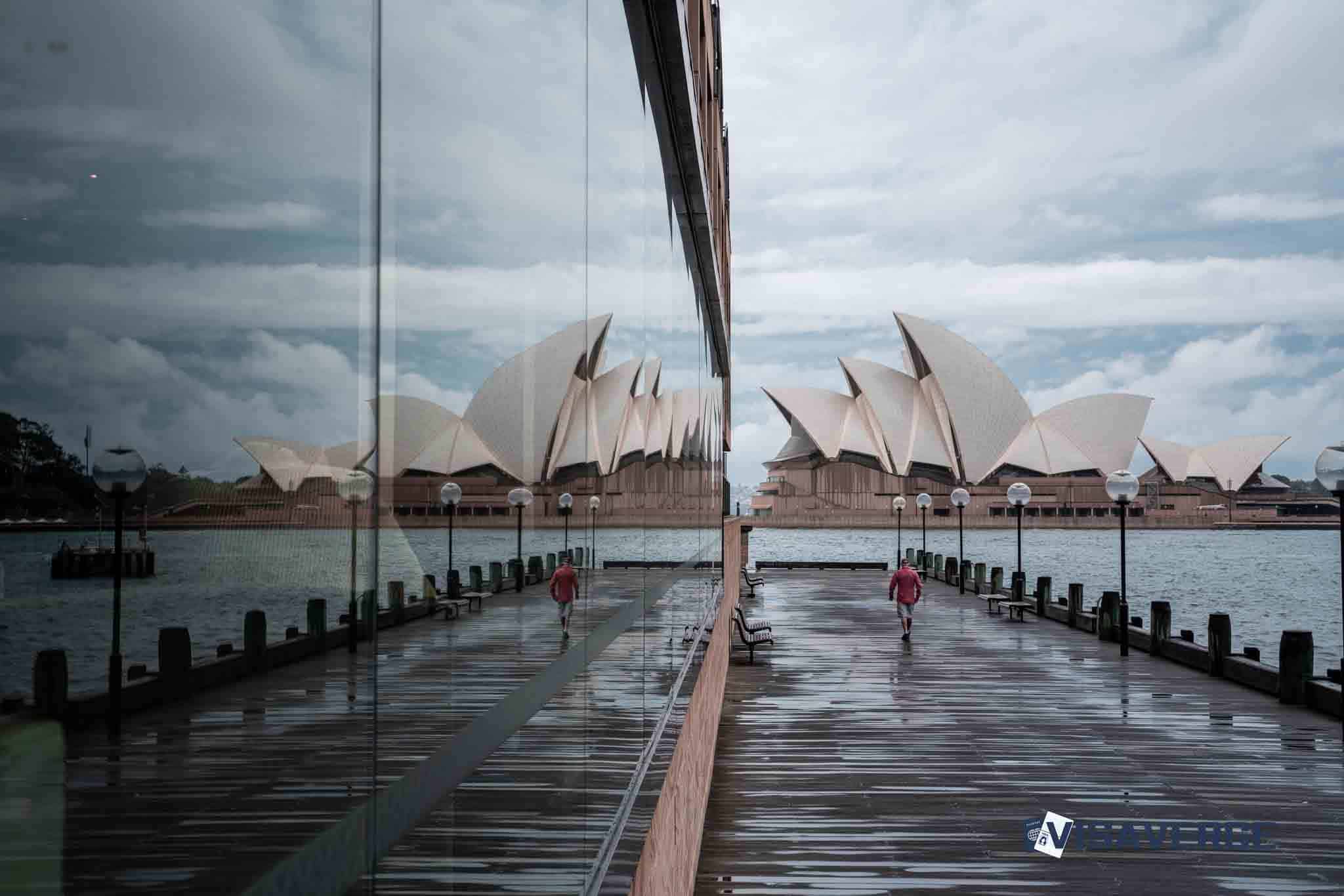
Australia Raises International Student Cap to 295,000 by 2026 with Southeast Asia Priority

Why Australia Is Raising the Cap

Australia 🇦🇺 introduced a cap on international student enrolment in 2024 after record migration numbers pushed up housing prices and put pressure on cities and services. Nearly 600,000 student visas were granted in the 2023 financial year, showing a strong rebound after the COVID-19 pandemic. The government wants to keep the benefits of international education while making sure growth does not harm local communities.

The new 295,000 cap for 2026 adds 25,000 more places compared to the previous year. This increase is part of a broader plan to manage migration, support the economy, and help universities and vocational schools grow in a sustainable way.

How the Places Will Be Shared

The government has decided that two-thirds of the 295,000 places will go to universities, while one-third will be for vocational education and training (VET) providers. This split aims to support both higher education and skills training, which are important for Australia’s workforce and economy.

A key part of the plan is to prioritize applicants from Southeast Asia. This focus is linked to the government’s “Invested: Australia’s Southeast Asia Economic Strategy to 2040,” which aims to build stronger ties with countries in the region. By welcoming more students from Southeast Asia, Australia hopes to boost trade, investment, and cultural exchange.

Special Incentives for Universities

Universities can apply for extra places if they show they are working closely with Southeast Asian partners or investing in student housing. For example, a university that builds new dormitories or partners with a Southeast Asian college could get a bigger share of the cap. This approach encourages schools to help solve housing problems and build long-term relationships with the region.

Housing and Infrastructure Remain Top Priorities

The government stresses that safe, secure, and affordable housing is essential for both local and international students. Housing shortages have been a major concern, especially in big cities where most students live. To address this, the government offers incentives to universities that build or expand student accommodation, whether on campus or nearby.

These steps are meant to make sure that the growth in international student enrolment does not make housing problems worse. By tying extra student places to new housing projects, the government hopes to ease pressure on the rental market and improve living conditions for everyone.

Tighter Visa and Migration Controls

Alongside the enrolment cap, the government has made several changes to student visa rules. In 2024, the visa fee for foreign students doubled, making it more expensive to apply. The government also closed loopholes that allowed students to keep extending their visas without progressing in their studies.

⚠️ Important
Be aware that visa processing times may increase for universities that approach 80% of their enrolment cap. This could delay your application if you choose a school nearing its limit.

To enforce the cap, visa processing will slow down for schools that reach 80% of their quota. This means that once a university or college gets close to its limit, new visa applications will take longer to process. These steps are designed to prevent schools from going over their allocated numbers and to keep migration at planned levels.

Encouraging Domestic Pathways for International Students

There is an important exception to the cap: graduates of Australian secondary schools, public vocational colleges, or affiliated pathway providers who move on to publicly funded universities will not count towards the cap. This rule encourages international students to start their education in Australia 🇦🇺 and then continue to higher levels, supporting both students and local institutions.

Government and Stakeholder Perspectives

Education Minister Jason Clare and International Education Assistant Minister Julian Hill have led the policy changes. Hill said the new migration controls are “bearing fruit,” allowing the government to raise the cap for 2026. The government’s approach has been welcomed by many universities, which see the extra places as a chance to rebuild after the pandemic and strengthen ties with Southeast Asia.

Vocational education providers also benefit from the new cap, as they get a third of the places. This supports skills training and helps meet workforce needs in areas like healthcare, technology, and trades.

International students, especially those from Southeast Asia, are the main beneficiaries. The focus on this region reflects Australia’s economic and diplomatic goals. By making it easier for Southeast Asian students to study in Australia, the government hopes to build lasting connections that benefit both sides.

Impact on Housing and Urban Planning

Housing markets and urban planners have raised concerns about the impact of migration on cities. The government’s plan tries to address these worries by linking student numbers to new housing projects. By encouraging universities to build more accommodation, the policy aims to reduce pressure on the rental market and make sure students have safe places to live.

Looking Ahead: What’s Next for International Student Enrolment

The government’s Southeast Asia Economic Strategy to 2040 suggests that the focus on Southeast Asian students will continue. Future changes to the cap and other policies are possible, depending on migration trends, housing conditions, and the performance of the international education sector.

Universities and colleges are encouraged to invest in partnerships and housing to secure more places in the future. Students from Southeast Asia can expect more opportunities to study in Australia, but they should also be aware of the new rules and higher visa fees.

Practical Steps for Prospective Students and Institutions

  • Students should check the latest visa requirements and fees on the Australian Department of Home Affairs website.
  • Universities and colleges should consider investing in student housing and building partnerships with Southeast Asian institutions to qualify for extra places.
  • Housing providers may find new opportunities as demand for student accommodation grows.

Official Resources

For more details on the international student enrolment cap and related policies, visit the Australian Department of Education for official updates and guidance.

As reported by VisaVerge.com, Australia’s decision to raise the international student enrolment cap for 2026 reflects a careful approach to balancing growth, migration control, and regional engagement. The focus on Southeast Asia and support for new housing projects show the government’s commitment to making international education work for students, institutions, and local communities alike.

By staying informed and planning ahead, students and schools can make the most of the new opportunities while helping to build a stronger, more sustainable international education sector in Australia 🇦🇺.

VisaVerge.com
Learn Today

Enrolment Cap → The maximum number of international students allowed to enroll yearly by government policy.
Vocational Education and Training (VET) → Education focused on practical skills and trades, supporting workforce needs outside universities.
Southeast Asia Economic Strategy → Australia’s plan to deepen economic and educational ties with Southeast Asian countries by 2040.
Visa Fee → The cost paid by international students to apply for a student visa to study in Australia.
Quota → A set limit on the number of student visas an education institution can issue per year.

This Article in a Nutshell

“
Australia plans a 9% increase in international student enrolment cap for 2026, focusing on Southeast Asia. Universities and vocational schools share the expanded places while the government incentivizes housing projects to ease rental pressures caused by population growth and student migration.
— By VisaVerge.com
Share This Article
Facebook Pinterest Whatsapp Whatsapp Reddit Email Copy Link Print
What do you think?
Happy0
Sad0
Angry0
Embarrass0
Surprise0
Oliver Mercer
ByOliver Mercer
Chief Analyst
Follow:
As the Chief Editor at VisaVerge.com, Oliver Mercer is instrumental in steering the website's focus on immigration, visa, and travel news. His role encompasses curating and editing content, guiding a team of writers, and ensuring factual accuracy and relevance in every article. Under Oliver's leadership, VisaVerge.com has become a go-to source for clear, comprehensive, and up-to-date information, helping readers navigate the complexities of global immigration and travel with confidence and ease.
Subscribe
Login
Notify of
guest

guest

0 Comments
Inline Feedbacks
View all comments
H-1B Wage Lottery Calculator Widget | VisaVerge
New FY 2027 Rule
H-1B Lottery Calculator

Calculate Your H-1B Selection Odds

DHS is replacing the random lottery with wage-based selection. Find out how the new system impacts your chances.

Effective Feb 2026 Level 4: +107% Odds
Calculate Now
Trump Declares 2 New Federal Holidays—What It Means for Americans
News

Trump Declares 2 New Federal Holidays—What It Means for Americans

DOL Submits H-1B/PERM Wage Rule to OMB, Reviving Higher Wages
H1B

DOL Submits H-1B/PERM Wage Rule to OMB, Reviving Higher Wages

DV Lottery Pause: What Current Winners Should Do Now (2025–26)
Green Card

DV Lottery Pause: What Current Winners Should Do Now (2025–26)

IRS 2025 vs 2024 Tax Brackets: Detailed Comparison and Changes
News

IRS 2025 vs 2024 Tax Brackets: Detailed Comparison and Changes

DV-2027 registration delayed, not canceled, per official updates
Visa

DV-2027 registration delayed, not canceled, per official updates

Ohio Tax Reform 2025–2026: Three Brackets in 2025, Flat 2.75% from 2026
Taxes

Ohio Tax Reform 2025–2026: Three Brackets in 2025, Flat 2.75% from 2026

Health Savings Account (HSA) Guide: Contribution Limits and Rules for 2025–2026
Guides

Health Savings Account (HSA) Guide: Contribution Limits and Rules for 2025–2026

Nigeria Visa Exemption Confusion Under US Travel Restrictions
Immigration

Nigeria Visa Exemption Confusion Under US Travel Restrictions

Year-End Financial Planning Widgets | VisaVerge
Tax Strategy Tool
Backdoor Roth IRA Calculator

High Earner? Use the Backdoor Strategy

Income too high for direct Roth contributions? Calculate your backdoor Roth IRA conversion and maximize tax-free retirement growth.

Contribute before Dec 31 for 2025 tax year
Calculate Now
Retirement Planning
Roth IRA Calculator

Plan Your Tax-Free Retirement

See how your Roth IRA contributions can grow tax-free over time and estimate your retirement savings.

  • 2025 contribution limits: $7,000 ($8,000 if 50+)
  • Tax-free qualified withdrawals
  • No required minimum distributions
Estimate Growth
For Immigrants & Expats
Global 401(k) Calculator

Compare US & International Retirement Systems

Working in the US on a visa? Compare your 401(k) savings with retirement systems in your home country.

India UK Canada Australia Germany +More
Compare Systems

You Might Also Like

Californians’ Past Support for Denying Immigrants Social Services and Education
Students

Californians’ Past Support for Denying Immigrants Social Services and Education

By Oliver Mercer
Elite U.S. Education and Indian Changemakers Transforming Global Leadership
Immigration

Elite U.S. Education and Indian Changemakers Transforming Global Leadership

By Sai Sankar
H-1B 240-Day Rule and Shutdown: Can I Work If My I-94 Expires?
Citizenship

H-1B 240-Day Rule and Shutdown: Can I Work If My I-94 Expires?

By Shashank Singh
Kentucky Derby workers at center of new immigration reform push
Immigration

Kentucky Derby workers at center of new immigration reform push

By Visa Verge
Show More
Official VisaVerge Logo Official VisaVerge Logo
Facebook Twitter Youtube Rss Instagram Android

About US


At VisaVerge, we understand that the journey of immigration and travel is more than just a process; it’s a deeply personal experience that shapes futures and fulfills dreams. Our mission is to demystify the intricacies of immigration laws, visa procedures, and travel information, making them accessible and understandable for everyone.

Trending
  • Canada
  • F1Visa
  • Guides
  • Legal
  • NRI
  • Questions
  • Situations
  • USCIS
Useful Links
  • History
  • USA 2026 Federal Holidays
  • UK Bank Holidays 2026
  • LinkInBio
  • My Saves
  • Resources Hub
  • Contact USCIS
web-app-manifest-512x512 web-app-manifest-512x512

2025 © VisaVerge. All Rights Reserved.

2025 All Rights Reserved by Marne Media LLP
  • About US
  • Community Guidelines
  • Contact US
  • Cookie Policy
  • Disclaimer
  • Ethics Statement
  • Privacy Policy
  • Terms and Conditions
wpDiscuz
Welcome Back!

Sign in to your account

Username or Email Address
Password

Lost your password?