

Key Takeaways
• Lufthansa A321 flew ten minutes with neither pilot alert after co-pilot suffered a sudden medical emergency mid-flight.
• Spanish authorities urge EASA to review cockpit staffing rules after only one pilot left alone proved a safety risk.
• Autopilot systems kept the aircraft stable; the incapacitated pilot regained partial consciousness just as emergency door override activated.
On February 17, 2024, more than two hundred people on board Lufthansa flight LH1140 faced a situation rarely seen in modern air travel. The airplane, an Airbus A321, was flying from Frankfurt, Germany 🇩🇪, to Seville, Spain 🇪🇸, when a sudden emergency unfolded. The co-pilot, who was alone in the cockpit, became severely incapacitated and slipped into a medical crisis that left the aircraft without a conscious, alert pilot for about ten minutes. This event has led to renewed calls for changes in cockpit staffing around the world, as it revealed risks that many experts had warned about for years.
How the Lufthansa A321 Incident Happened
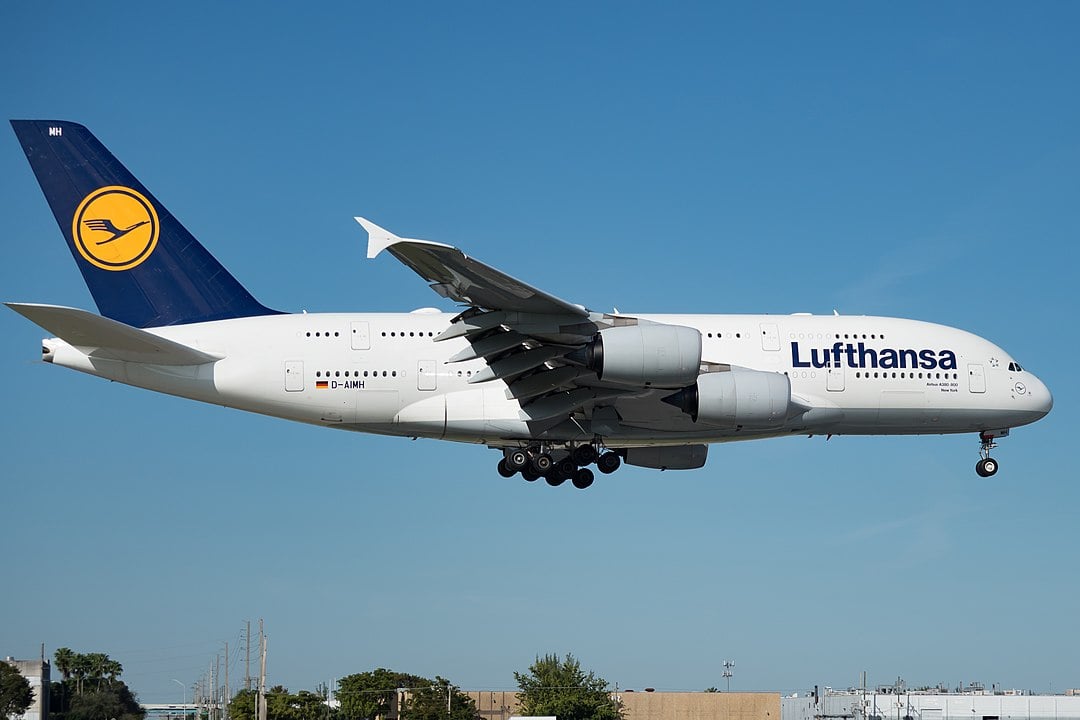
The day started normally for Lufthansa flight LH1140. The Airbus A321 took off from Frankfurt with over 200 passengers and crew, aiming for a routine arrival in Seville. The cockpit crew included a captain and a co-pilot, also called a first officer. For most of the flight, both pilots worked side by side as usual.
Everything changed about thirty minutes before the planned landing in Seville. The airplane had entered Spanish airspace when the captain decided to leave the cockpit for a quick bathroom break. Before stepping out, he checked that his co-pilot seemed fit and responsive. There were no visible health concerns, and procedures allowed this brief absence under normal conditions.
As soon as the captain left, the cockpit door was closed and locked—a rule put in place to keep the flight deck secure. Only the co-pilot was left inside, overseeing the aircraft. What no one saw coming was that the first officer would suffer a sudden, severe medical event, later identified as a seizure caused by an undiagnosed neurological problem.
This was not only unexpected, but it also had immediate and serious effects. With the co-pilot incapacitated and unable to respond, Lufthansa’s A321 was in the sky for almost ten full minutes without an alert pilot in the cockpit. Data later showed that while the autopilot and autothrust systems remained active—helping keep the plane stable—some accidental, uncontrolled movements happened because the co-pilot made involuntary inputs during his medical emergency. Luckily, the automated safety systems held their settings and the airplane remained on course.
What Happened Inside the Cockpit
During those tense minutes, the captain tried to return but could not get back into the cockpit. Standard operating rules meant that he needed the person inside to unlock the door. When using both normal and emergency codes, there was still no answer. Cabin crew tried calling the cockpit phone, but the first officer could not respond. All the while, the reinforced cockpit door stayed locked—a feature originally designed to keep flights safe from outside threats, but which also made it impossible to open from the outside unless the person inside acted or unless the automatic override timer ran out.
The cockpit’s door has an emergency override feature, but it can take several minutes to activate for security reasons. Just as the automatic timer was about to let the captain back in, the first officer started coming around. He was barely able to get up and open the door. When the captain and flight attendants entered, they found him in clear physical distress—pale, sweating, acting strange, and in urgent need of help.
The Quick Response by the Crew
Immediately, the captain called for help. Flight attendants and even a doctor who was traveling as a passenger stepped in and gave basic first aid. Realizing that the first officer could not continue his duties, and worried about his condition, the crew made the decision to divert to the nearest major airport—Madrid, Spain 🇪🇸—so that professional medical care could be given as soon as possible.
The Lufthansa A321 landed safely. Medical experts rushed on board and took the co-pilot to the hospital. Thankfully, there were no injuries to passengers or further incidents as a result of the incapacitated pilot. Still, the event drew strong attention and concern, prompting a full investigation.
Why Was the Co-Pilot Alone in the Cockpit?
One key issue many have asked about is why only one pilot was in the cockpit at any time. The rules for this vary between countries and airlines. In some places, like the United States 🇺🇸, the Federal Aviation Administration (FAA) requires that anytime one pilot leaves the cockpit for a short break—like going to the restroom—another qualified crew member, usually a flight attendant, must step into the cockpit until the pilot returns. This practice is not required everywhere.
For Lufthansa and some other European airlines, a pilot can be left alone briefly in the cockpit if the other needs to leave. This policy is based on calculations about risk and safety procedures. It also assumes that sudden, severe emergencies without warning are very rare.
However, this incident with the Lufthansa A321 has made it clear that even rare events can become a real danger if safety steps do not cover every possible situation. The loss of an alert pilot, even for a few minutes, could lead to disaster if something goes wrong at the same time.
What Did the Investigation Find?
After the plane landed safely and the immediate emergency was over, Spanish aviation authorities began to investigate. They wanted to know exactly what had happened, why it happened, and what could be done to prevent a similar event in the future.
Medical experts confirmed that the first officer’s problem was a seizure. This seizure was linked to a neurological disorder that had not been discovered before. The problem with detecting such conditions is that unless a pilot has already shown signs or symptoms—or reports problems themselves—routine medical checks are not likely to catch these hidden disorders.
The black box, which records everything that happens in the cockpit, showed that the incapacitated pilot made some uncontrolled movements on the controls, but because the plane’s autopilot and auto-thrust systems were engaged, the worst was avoided.
Investigators wrote in their final report that the greatest risk came from letting only one pilot remain in the cockpit, even for a few minutes. They said:
“Spain’s civil aviation authority urged EASA…to consider reviewing cockpit staffing policies…specifically risks involved when only one pilot remains at controls.”
EASA is the European Union Aviation Safety Agency. Its job is to set safety rules for all airlines operating in Europe. With one incident, many experts, airlines, and authorities took new notice of how policies might need to change.
How Do Other Countries Handle This Kind of Risk?
A closer look at the rules in various countries shows why this incident stands out. In the United States 🇺🇸, anytime a pilot leaves the cockpit during flight, another trained crew member steps in. The idea is to provide at least a backup set of hands and eyes in case the single pilot left inside cannot respond. This measure was put in place in part to prevent hijackings or emergencies, but it also helps in situations like medical problems.
Not every country’s rules go as far as the FAA’s. In Europe and in some Asian airlines, it’s still common for one pilot to be left alone for brief periods. After the Lufthansa A321 event, safety groups are urging all airlines to consider closing this gap by requiring a second trained person in the cockpit at all times.
Airlines also need to think about other human factors. Pilots spend long hours working and sometimes cross several time zones. Changes of schedule, stress, and hidden medical problems could all push the limits of current safety procedures.
What Did Lufthansa Say?
As reported by VisaVerge.com, Lufthansa has yet to make any official statement about the findings from the investigation as of May 2025. This silence has come at a time when passengers, pilot groups, and safety experts are debating how quickly airlines should act to make changes.
Some pilot organizations say that even though events like this are rare, the potential consequences are so serious that it makes sense to keep two people in the cockpit at all times. They argue that the cost and small inconvenience—briefly adding another crew member when one pilot steps out—are small prices to pay for preventing a disaster.
What Happens Next?
European aviation bodies, including EASA, are reviewing the final report and considering changes to rules about cockpit staffing. Airlines may soon be required to update their rules and procedures, especially for long or international flights. Travelers might notice new procedures where an attendant steps into the cockpit when a pilot takes a break.
In the longer term, airlines could improve medical checks, look for better ways to spot hidden health problems, or even add new monitoring systems to catch warning signs sooner. However, as flight safety experts point out, some health issues simply cannot be found unless a person shows symptoms—meaning that changes to cockpit staffing policies may be the most practical step.
Impacts on Passengers and Crew
For passengers, the takeaway is twofold. First, commercial flight remains extremely safe. Even in a worst-case event like what happened with Lufthansa A321, strong safety systems and well-trained crews made sure everyone landed safely. Autopilot and other technology kept the airplane steady even when a pilot could not.
Second, this incident shines a light on why constant updates and improvements to airline procedures matter. Each serious incident provides a chance to make changes before a tragedy happens. Passengers, pilots, and airlines all want safer flights, and this drives change in the right direction.
For airline crews, especially pilots, there’s a reminder to always be honest and thorough with medical reporting. Even illnesses or symptoms that seem small could become important. Airlines and regulators may soon offer more frequent health checks or different types of tests to catch rare problems.
Lessons for the Aviation Industry
There are several clear lessons from the Lufthansa A321 incident:
- Leaving one pilot alone in the cockpit, even for a few minutes, poses a real risk.
- Backup systems like autopilot help ensure safety, but they cannot replace a conscious, alert human in every situation.
- Hidden medical problems can slip through current screening methods, so changes to staffing policies may make a bigger difference.
- Policies that require a second trained person in the cockpit are a strong safety net and are already standard in places like the United States 🇺🇸.
For more about European regulations and aviation safety standards, you can visit the official European Union Aviation Safety Agency (EASA) website.
Conclusion: Moving Forward After the Lufthansa A321 Emergency
The Lufthansa A321 incident in February 2024 proved that extremely rare events can have huge effects if crews are unprepared. The incapacitated pilot was alone in the cockpit, putting the flight in danger for about ten minutes. Thanks to automated systems, a quick response from crew and passengers, and a bit of luck, the airplane landed safely. Still, this event has opened important discussions about how airlines in Europe and worldwide should handle cockpit staffing and pilot health going forward.
As aviation agencies review current rules, passengers can expect to see updated practices designed to make flights even safer. While the risk of such emergencies is low, the lessons learned will likely bring about changes that improve safety for all who take to the skies. Airlines, regulators, and passengers each have a part to play in making sure what happened on the Lufthansa A321 does not happen again.
Learn Today
Incapacitated Pilot → A pilot suddenly unable to perform duties due to a medical emergency, putting flight safety at risk.
Autopilot → Automatic flight system that keeps an airplane flying on a set path without direct pilot control.
Cockpit Staffing Policy → Rules determining how many qualified crew must be present in the cockpit at all times.
EASA → European Union Aviation Safety Agency, which sets airline safety standards across Europe.
Black Box → Flight recorder device that captures cockpit sounds and control data for accident investigations.
This Article in a Nutshell
A Lufthansa A321 flight faced a critical emergency when the co-pilot became incapacitated while alone in the cockpit. Automated systems prevented disaster, and timely crew action diverted the plane safely. This incident is sparking calls for tighter cockpit staffing requirements to ensure flight safety and passenger protection across all airlines.
— By VisaVerge.com
Read more:
• Lufthansa flight LH1140 flew 10 minutes without pilot at controls
• Arrowhead Eagles Aviation Organization Awards $5K to Future Pilots
• US Pilot Reveals What Happens If Passengers Skip Airplane Mode
• Rural Community Immigration Pilot opens permanent residency in 14 Canadian towns
• American Airlines Pilots Push Boldly Toward ALPA Merger


