A federal judge in Chicago dismissed the Trump administration’s lawsuit against Illinois, Chicago, and Cook County sanctuary laws on July 25, 2025. This decision, delivered by U.S. District Judge Lindsay Jenkins, marks a major legal and political moment in the ongoing fight over sanctuary policies and federal immigration enforcement.
The ruling means that, for now, Illinois’ and Chicago’s sanctuary laws remain in place, and the Trump administration’s efforts to force local cooperation with federal immigration authorities have been blocked. The Department of Justice (DOJ) has until August 22, 2025, to amend its complaint. If it does not, the dismissal becomes final.
What Happened and Why It Matters
On July 25, 2025, Judge Lindsay Jenkins of the U.S. District Court for the Northern District of Illinois dismissed the Trump administration’s lawsuit challenging Illinois’ TRUST Act, Chicago’s Welcoming City Ordinance, and related Cook County policies. The lawsuit, filed by the DOJ under the Trump administration, targeted state and local officials, including Illinois Governor JB Pritzker, Chicago Mayor Brandon Johnson, Cook County Board President Tony Preckwinkle, Sheriff Thomas Dart, and Chicago Police Superintendent Larry Snelling.
Judge Jenkins ruled that the DOJ did not have standing to sue state and local officials over their sanctuary policies. She also found that forcing local and state officials to enforce federal immigration law would violate the Tenth Amendment, which protects states from being forced to carry out federal government duties.
The Illinois TRUST Act and Chicago’s Welcoming City Ordinance do not stop local police from working with federal authorities in criminal cases. However, they do prevent local law enforcement from helping with civil immigration enforcement, such as detaining people just because of their immigration status.
Key Legal Findings
- Standing: Judge Jenkins decided that the DOJ lacked standing, meaning it did not have the legal right to bring this lawsuit against state and local officials over their sanctuary laws.
- Tenth Amendment: The court found that the federal government cannot force state and local governments to enforce federal immigration law. This is based on the Tenth Amendment, which says the federal government cannot “commandeer” state and local officials for its own purposes.
- Scope of Sanctuary Laws: The Illinois TRUST Act and Chicago’s Welcoming City Ordinance allow cooperation with federal authorities in criminal matters but prohibit help in civil immigration enforcement.
What Are Sanctuary Laws?
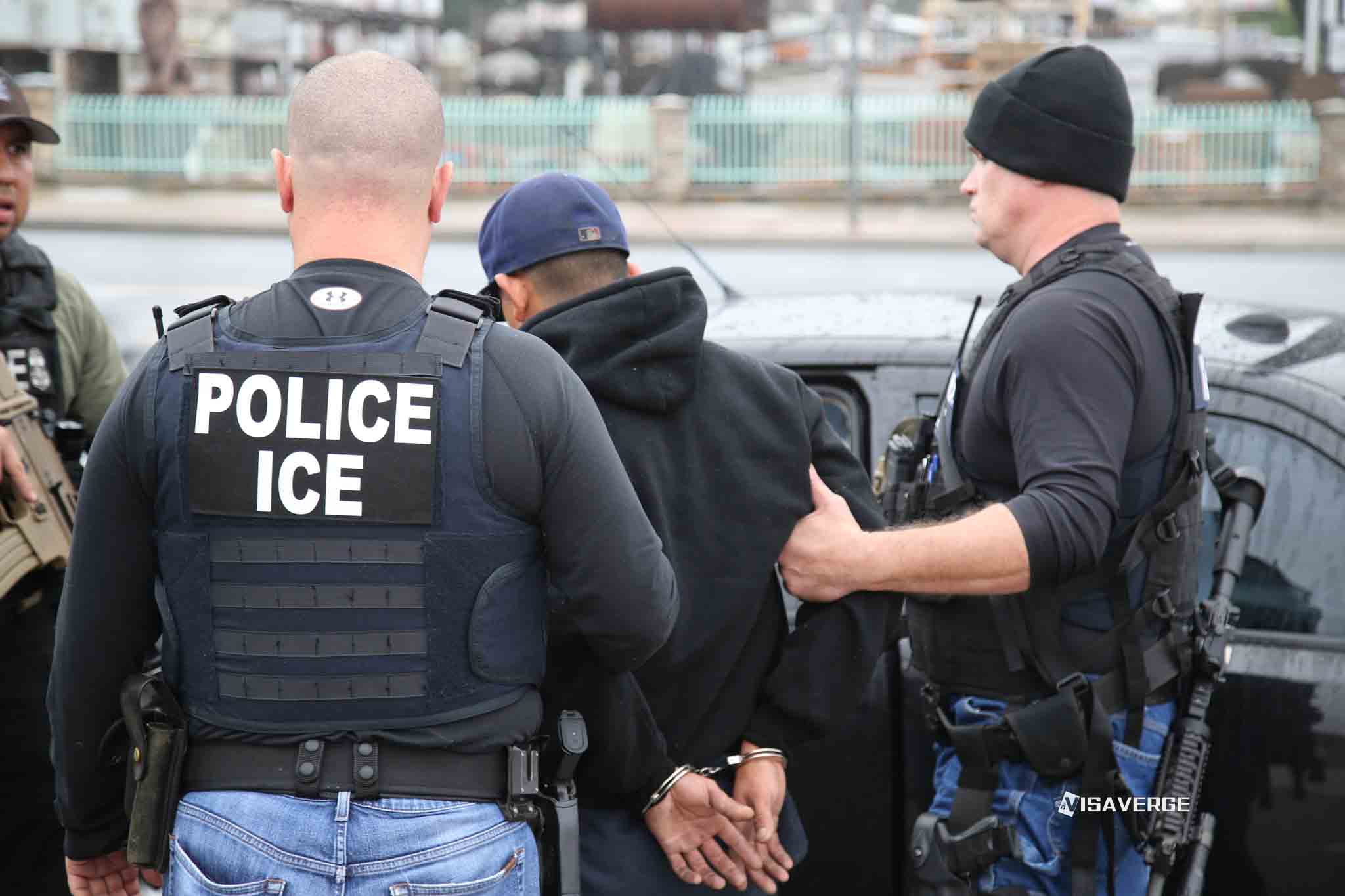
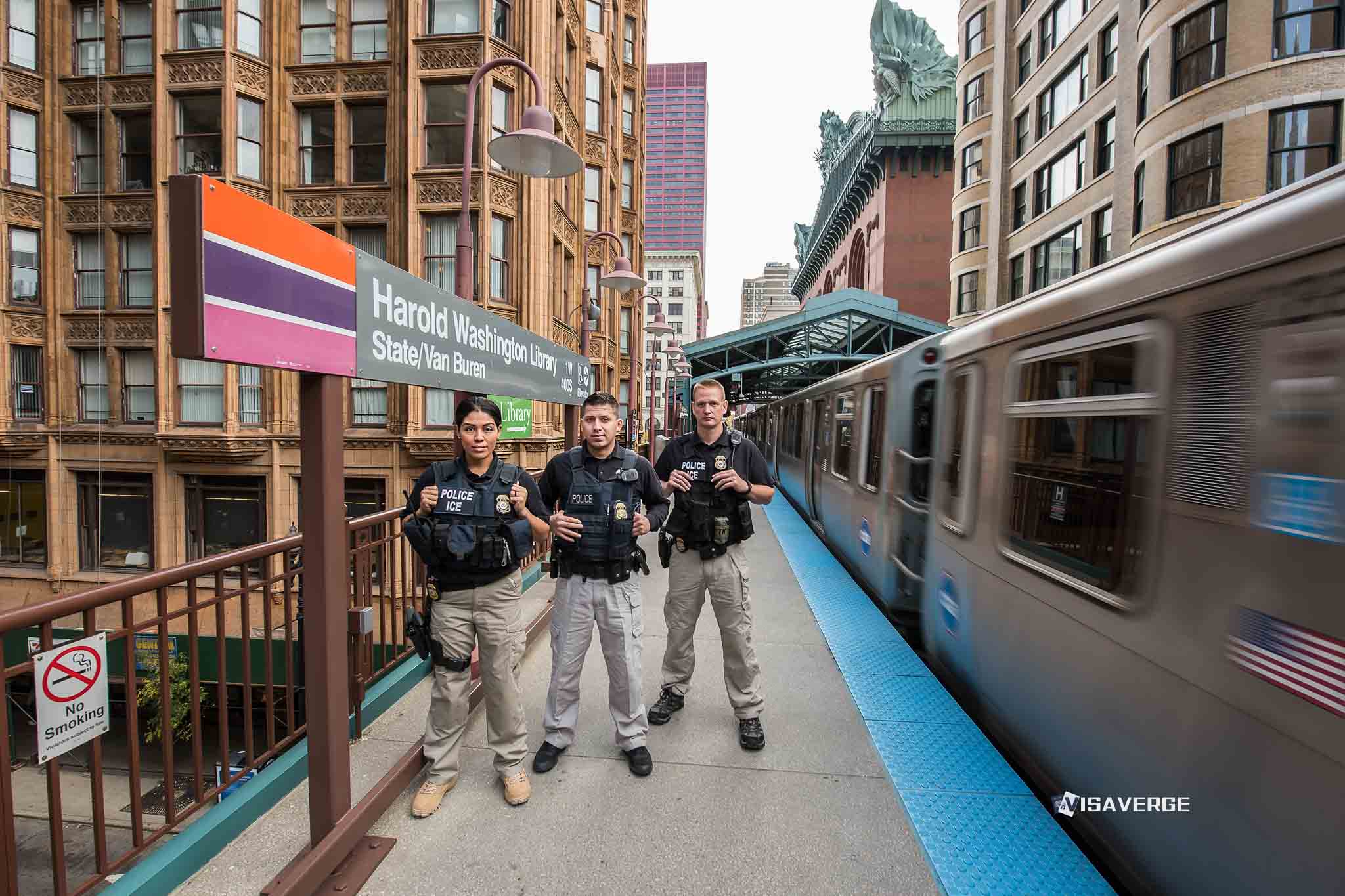
Sanctuary laws are local or state rules that limit how much local police and officials can help federal immigration authorities. In Illinois, the TRUST Act, passed in 2017, tells police not to help Immigration and Customs Enforcement (ICE) with civil immigration enforcement. This means police can still work with ICE on criminal cases, but they cannot hold people just because ICE asks them to, unless there is a criminal warrant.
Chicago’s Welcoming City Ordinance goes further. It says city officials cannot help federal immigration enforcement based only on someone’s immigration status. It also says city services cannot be denied because of immigration status.
Why Did the Trump Administration Sue?
Since President Trump’s first term, the Trump administration has tried to punish sanctuary jurisdictions. These are cities or states that do not fully cooperate with federal immigration enforcement. The Trump administration has tried to withhold federal funding from these places and has issued executive orders to force them to comply.
In this case, the DOJ, under the Trump administration, sued Illinois, Chicago, and Cook County, arguing that their sanctuary laws made it harder for federal authorities to enforce immigration law. The lawsuit was part of a broader effort, with similar cases filed against New York City and Louisville, Kentucky.
Judge Lindsay Jenkins’ Decision
Judge Lindsay Jenkins’ ruling is important for several reasons:
- She said the DOJ did not have standing to sue. This means the federal government could not show it was directly harmed by the sanctuary laws.
- She said the Tenth Amendment stops the federal government from forcing local officials to enforce federal immigration law.
- She made it clear that Illinois’ and Chicago’s laws do not block cooperation in criminal cases, only in civil immigration matters.
Judge Jenkins gave the DOJ until August 22, 2025, to amend its complaint. If the DOJ does not file changes by then, the dismissal will become final.
Reactions from Key Stakeholders
The ruling brought strong reactions from state and city leaders, as well as civil rights groups.
- Illinois Governor JB Pritzker celebrated the decision, saying, “Illinois just beat the Trump Administration in federal court. Their case challenging the bipartisan TRUST Act was dismissed — unlike the President, we follow the law and listen to the courts.”
- Chicago Mayor Brandon Johnson said, “This ruling affirms what we have long known: that Chicago’s Welcoming City Ordinance is lawful and supports public safety. The City cannot be compelled to cooperate with the Trump Administration’s reckless and inhumane immigration agenda.”
- ACLU of Illinois praised the decision, stating that the federal government cannot “bully local communities into participating in their misguided immigration policies.”
- Trump administration officials, including the DOJ and the White House, have not commented publicly as of July 26, 2025.
What Does This Mean for Immigrants and Local Communities?
The ruling means that, for now, Illinois, Chicago, and Cook County will keep their sanctuary laws. Local police and city officials are not required to help with federal civil immigration enforcement or ask about immigration status when providing city services.
Supporters of sanctuary laws say these policies make communities safer. They argue that when immigrants are not afraid of being reported to immigration authorities, they are more likely to report crimes, cooperate with police, and seek help when needed. This, they say, helps everyone in the community.
City and state officials also say that sanctuary laws help build trust between law enforcement and residents. They believe that public safety improves when everyone feels safe contacting the police, no matter their immigration status.
Background and National Context
The Illinois TRUST Act was passed in 2017. It tells state and local police not to help ICE with civil immigration enforcement but allows cooperation in criminal cases. Chicago’s Welcoming City Ordinance, which has been in place for years, says city officials cannot help federal immigration enforcement based only on immigration status and cannot deny city services for this reason.
The Trump administration has long opposed these types of laws. Since President Trump’s first term, there have been efforts to punish sanctuary jurisdictions, including threats to withhold federal funding and new executive orders in 2025 targeting cities that do not comply.
The Illinois case is part of a larger national debate. The Trump administration has filed or threatened similar lawsuits in other places, including New York City and Louisville, Kentucky. These cases are part of a broader legal and political battle over who controls immigration enforcement—the federal government or local communities.
Legal and Policy Implications
The ruling by Judge Lindsay Jenkins is seen by legal experts as a strong reaffirmation of the Tenth Amendment’s anti-commandeering rule. This rule, which has been upheld by federal courts in other sanctuary city cases, says the federal government cannot force states or cities to carry out federal duties.
Policy analysts say the decision strengthens the legal foundation for sanctuary policies. It may also discourage future federal attempts to override local control in immigration enforcement.
Civil rights groups, such as the ACLU, argue that sanctuary policies are vital for protecting immigrant communities and keeping trust between police and residents.
What Happens Next?
- Amendment Deadline: The DOJ has until August 22, 2025, to amend its complaint. If it does not, the case will be dismissed for good.
- Potential Appeal: The Trump administration may appeal the decision. It has continued to push for stronger federal immigration enforcement across the country.
- Ongoing Litigation: The DOJ has started or threatened similar lawsuits in other cities and states. This means the legal fight over sanctuary laws is likely to continue.
What Should Immigrants and Community Members Do?
For now, immigrants in Illinois, Chicago, and Cook County can expect that local police and city officials will not help with federal civil immigration enforcement. This means:
- Police will not ask about immigration status when providing services or responding to emergencies.
- City services are available to everyone, regardless of immigration status.
- Local law enforcement will cooperate with federal authorities only in criminal cases, not in civil immigration matters.
If you have questions about your rights or need help, you can contact local organizations such as the ACLU of Illinois or visit official city and state websites for more information.
Official Resources
For more details on local policies and your rights, you can visit these official sites:
- City of Chicago, Office of the Mayor
- Illinois Governor’s Office
- Cook County Board of Commissioners
- U.S. District Court, Northern District of Illinois
- ACLU of Illinois
These resources provide up-to-date information on sanctuary laws, court decisions, and how they affect residents.
Analysis from VisaVerge.com suggests that this ruling is likely to have a ripple effect beyond Illinois. Other cities and states with sanctuary policies may feel more confident in keeping their laws, knowing that federal courts have upheld their right to do so. At the same time, the Trump administration’s continued legal challenges mean that the national debate is far from over.
Looking Ahead: The Future of Sanctuary Laws
The Illinois decision sets a strong precedent, but it does not end the national debate over sanctuary policies. Legal experts expect more lawsuits and appeals, especially as the Trump administration continues to push for stricter federal immigration enforcement.
Illinois, Chicago, and Cook County are expected to keep their sanctuary policies, with strong support from local leaders and many residents. The DOJ’s next steps—whether to amend its complaint, appeal, or focus on other jurisdictions—will shape the future of federal-local immigration policy conflicts.
Key Takeaways
- Illinois’ and Chicago’s sanctuary laws remain in effect as of July 26, 2025, with federal efforts to overturn them blocked by the courts.
- The Trump administration has until August 22, 2025, to amend its lawsuit. If it does not, the dismissal is final.
- The broader national conflict over sanctuary policies continues, with new legal battles in other states and cities.
Practical Guidance for Residents and Immigrants
If you live in Illinois, Chicago, or Cook County:
- You can seek police help or city services without fear that your immigration status will be questioned or reported to federal authorities.
- If you are involved in a criminal case, local police may still work with federal authorities, but only in those situations.
- Stay informed by checking official city and state websites for updates on sanctuary laws and your rights.
For those in other states or cities, it is important to know that local laws may be different. Check with local government offices or trusted community organizations for information about your area.
Conclusion
Judge Lindsay Jenkins’ dismissal of the Trump administration’s lawsuit is a major moment in the ongoing debate over sanctuary laws and federal immigration enforcement. The decision upholds the right of Illinois, Chicago, and Cook County to set their own policies, limits the federal government’s power to force local cooperation, and provides reassurance to immigrant communities. As the legal and political battles continue, residents should stay informed and know their rights. For more information, visit the City of Chicago, Office of the Mayor or other official resources listed above.
Learn Today
Sanctuary Laws → Local rules limiting police cooperation with federal immigration enforcement except in criminal matters.
Tenth Amendment → U.S. constitutional provision preventing federal government from forcing states to enforce federal laws.
Standing → Legal right of a party to bring a lawsuit based on direct harm or interest.
Illinois TRUST Act → Law restricting local police from assisting federal civil immigration enforcement but permitting criminal case cooperation.
Welcoming City Ordinance → Chicago law limiting city officials’ cooperation with federal immigration enforcement based solely on immigration status.
This Article in a Nutshell
A federal judge blocked the Trump administration’s challenge to Illinois’ sanctuary laws, protecting immigrant rights and local autonomy under the Tenth Amendment. This ruling maintains sanctuary protections for civil immigration cases while allowing criminal cooperation, marking a key moment in the national sanctuary law debate and immigration policy enforcement.
— By VisaVerge.com