

On July 26, 2025, American Airlines Flight 3023, a Boeing 737 Max 8, suffered a serious emergency at Denver International Airport. The plane blew two tires and leaked hydraulic fluid, which caught fire during takeoff. This led to a full emergency response, a quick evacuation of everyone on board, and a federal investigation that is still ongoing.
The incident happened on a hot Saturday afternoon, between 2:16 and 2:45 PM local time. American Airlines Flight 3023 was scheduled to fly from Denver to Miami, using a Boeing 737 Max 8. The plane taxied for about 1.5 hours before it tried to take off. Experts say this long wait may have made the tires hotter than normal, which can make them weaker.
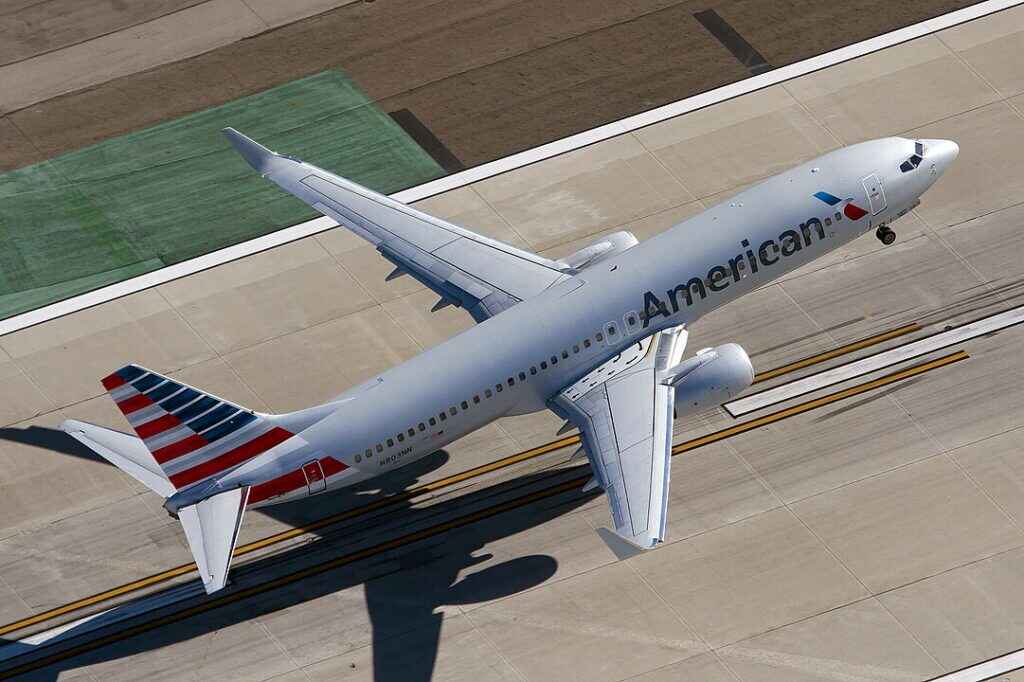
As the plane sped down runway 34L, the outboard tire on the left main landing gear failed just as the plane was about to lift off. The tire broke apart and rolled forward, which was captured in videos shared online. Right after, the inboard tire on the same side also failed. This second failure likely happened because the pilots had to brake hard to stop the plane, causing even more heat and friction.
At the same time, a hydraulic line burst. Hydraulic fluid sprayed out and caught fire near the left main landing gear. The pilots quickly stopped the takeoff and declared an emergency. They ordered everyone to evacuate the plane right away.
There were 173 passengers and 6 crew members on board American Airlines Flight 3023. The crew used the emergency slides and exits on the right side of the plane to get everyone out safely. Some passengers also exited onto the right wing. The Denver Fire Department arrived quickly and put out the fire before it could spread. Six passengers were checked by medical teams at the scene. Only one person needed to go to the hospital for a minor injury, while the other five were cleared and allowed to leave. All passengers were taken by bus back to the terminal.
The plane was left resting on its left engine and the damaged landing gear. The right side landing gear was not damaged. The Boeing 737 Max 8 was removed from service so investigators could examine it and repairs could begin.
The Federal Aviation Administration (FAA) confirmed that a landing gear problem had happened and started a full investigation. The FAA is looking at the plane’s flight data, mechanical systems, and maintenance records to figure out what went wrong. As of July 29, 2025, the FAA has not released any early findings or safety recommendations.
American Airlines released a statement saying there was a “mechanical issue on take-off” involving a tire and flames. The airline said it is working closely with investigators and has helped all affected passengers find other flights. Denver International Airport managed the emergency response and helped transport passengers, but the airport did not have any major delays or disruptions after the incident.
So far, the FAA has not issued any new safety rules or warnings for the Boeing 737 Max 8 because of this event. However, there is growing pressure for the FAA to review how often airlines check tires and brakes, especially in hot weather. There are also calls to look at how often hydraulic systems are checked and to review emergency evacuation training for crews. The quick and safe evacuation of nearly 180 people on American Airlines Flight 3023 shows that current training works, but experts say there is always room for improvement.
This is not the first time in 2025 that American Airlines has had to evacuate a plane at Denver International Airport. On March 13, 2025, Flight 1006, a Boeing 737-800, had to land in Denver because of engine vibrations. These events have led to more questions about airline maintenance and safety checks.
Looking at the numbers, the incident happened in the middle of a hot day, with temperatures over 34°C (93°F). The long taxi time before takeoff—about 1.5 hours—may have made the tires even more likely to fail. There were 173 passengers and 6 crew members on board. Only one person had a minor injury that needed hospital care.
The FAA said, “The FAA will investigate. Passengers evacuated on the runway and are being transported to the terminal by bus. The Boeing 737 MAX 8 was headed to Miami International Airport.” American Airlines added, “Experienced a mechanical issue on take-off… involved an aircraft tyre and flames… minor isolated brake fire quickly extinguished by the Denver Fire Department.” The Denver Fire Department confirmed that their teams responded quickly and put out the fire.
For passengers, the main effect was the sudden evacuation and having to find new flights. Only minor injuries were reported, but the event reminded everyone of the importance of knowing emergency procedures. For airlines, the incident means more attention on how they maintain planes, especially tires and hydraulic systems in hot weather. The FAA may soon require more checks or give new advice to airlines, depending on what the investigation finds.
For regulators, the event is another reminder to keep reviewing safety rules for the Boeing 737 Max 8 and other planes. There may be new rules in the future about how planes operate in extreme heat or after long waits on the ground. Emergency evacuation standards may also be updated.
The emergency response followed a clear set of steps:
1. The pilots stopped the takeoff when they saw the tire fail and the fire start.
2. They told air traffic control about the emergency.
3. The plane stopped on the runway, and fire crews began putting out the fire.
4. The crew ordered everyone to evacuate using the right-side slides and exits.
5. The fire was put out by the Denver Fire Department.
6. Passengers and crew were taken by bus to the terminal.
7. Medical teams checked everyone, and only one person needed to go to the hospital.
8. The plane was secured for the investigation.
Aviation safety experts say the crew did an excellent job following emergency procedures. They point out that tire and hydraulic failures are more likely in hot, busy airports like Denver. Experts also say airlines need to keep checking planes carefully, especially after long taxi times.
Lawyers who help passengers after aviation incidents are watching this case and offering help to those affected. Some experts want airlines to be more open about their maintenance records and for the results of investigations to be shared with the public.
The FAA and the National Transportation Safety Board (NTSB) are expected to release early findings in the coming weeks. There are no plans right now to ground the Boeing 737 Max 8 fleet, but new advice or rules could be announced, especially for flying in hot weather or after long waits on the ground.
For more information about airline safety and regulations, readers can visit the official FAA website at faa.gov.
The Boeing 737 Max has been closely watched since it returned to service in 2021. American Airlines is one of the biggest users of this plane in the United States 🇺🇸. Denver International Airport is a busy hub, especially in summer, which puts extra stress on planes.
As reported by VisaVerge.com, the FAA investigation is still ongoing, and no final cause or new rules have been announced yet. The event highlights the need for strong maintenance, quick emergency response, and careful oversight, especially for planes that fly often in tough conditions. All passengers and crew survived, with only minor injuries, and the aviation world is waiting for the results of the official investigation and any new safety steps that may follow.
Learn Today
Landing Gear → The complex undercarriage mechanism that supports the airplane during takeoff, landing, and taxiing.
Hydraulic Fluid → Liquid used to operate mechanical components such as brakes and landing gear on an aircraft.
Evacuation Slides → Inflatable slides deployed from aircraft exits to quickly evacuate passengers during emergencies.
Federal Aviation Administration (FAA) → The U.S. government agency regulating all aspects of civil aviation safety and operations.
Taxiing → The movement of an aircraft on the ground under its own power before takeoff or after landing.
This Article in a Nutshell
American Airlines Flight 3023 suffered serious tire failures and hydraulic fire during takeoff at Denver, prompting quick evacuation and FAA investigation, highlighting safety concerns for Boeing 737 Max 8 in hot conditions.
— By VisaVerge.com


