- Spare lithium batteries and power banks must remain in carry-on bags only during flights.
- Installed device batteries are allowed in checked luggage only if completely powered off and protected.
- Violations in 2026 can lead to fines up to $17,062 and loss of trusted-traveler status.
(UNITED STATES) Spare lithium batteries, power banks, and portable chargers remain banned from checked luggage on U.S. flights, and that rule is being enforced more tightly in 2026. Travelers can still pack some devices with installed batteries in checked luggage, but only when the device is fully powered off and protected from accidental activation.
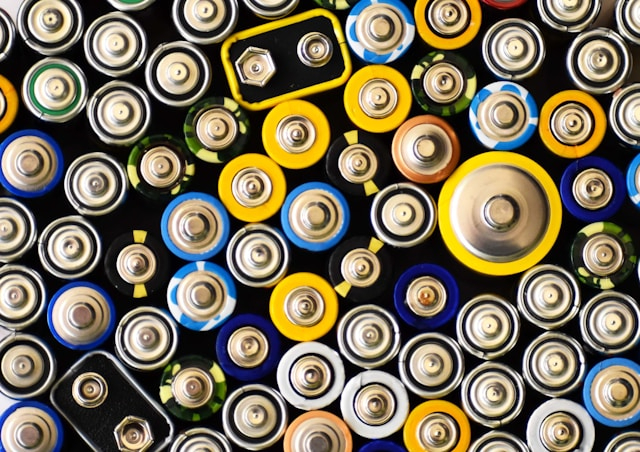
That distinction matters for immigrants, visa applicants, business travelers, and families moving through U.S. airports. A wrong packing choice can lead to confiscation, fines up to $17,062 per violation, and even problems with trusted-traveler screening.
Why airlines keep lithium batteries out of the cargo hold
The reason is safety, not paperwork. Lithium-ion and lithium-metal batteries can enter thermal runaway, a fast overheating chain reaction that can produce smoke, fire, or explosion. In the cabin, crew members can spot trouble quickly and use special extinguishers or fire bags. In the cargo hold, response is slower and much harder.
That is why the FAA PackSafe program and TSA rules treat spare batteries as carry-on items only. The FAA’s PackSafe guidance lays out the main restrictions for passengers, including rules for spare batteries, power banks, and vaping devices. VisaVerge.com reports that 2026 screening technology is making enforcement far stricter, especially at major U.S. airports.
For people flying to the United States for work, study, or family relocation, the rule applies the same way on domestic and international routes. It does not matter whether the trip is short or long. Spare lithium batteries stay out of checked luggage.
What belongs in carry-on only
Any uninstalled battery must travel in the cabin. That includes:
- Power banks and portable chargers
- Spare lithium-ion batteries for phones, laptops, tablets, and cameras
- Lithium-metal batteries used in watches and some cameras
- Battery charging cases for phones
- External battery packs
- E-cigarettes and vaping devices
Installed batteries are different. A laptop, camera, or similar device may go in checked luggage if it is switched off and protected from activation. Even then, many airlines strongly prefer that passengers keep the device in carry-on bags. Smart luggage with a built-in battery is allowed only if the battery can be removed without tools. If it cannot, the battery must come out before the bag is checked.
Damaged, swollen, recalled, or leaking batteries are banned from both carry-on and checked luggage. They are treated as an immediate hazard.
Battery size limits that matter in 2026
The rules also depend on battery size. Passengers should check watt-hours, or Wh. The formula is Wh = (mAh × voltage) ÷ 1000. Most batteries use 3.7V.
- Lithium metal: up to 2 grams per battery; carry-on only
- Lithium-ion spare, 100 Wh or less: carry-on only; no checked luggage
- Lithium-ion spare, 101–160 Wh: up to 2 per person with airline approval; carry-on only
- Lithium-ion spare above 160 Wh: prohibited, except some approved medical devices
- Installed in devices: allowed if the device is powered off and protected, with airline rules followed
A battery without a visible Wh or mAh label often gets seized. That has become a common problem in 2026. There is no such thing as a “TSA-approved” battery label. The battery either meets the limit or it does not.
A practical packing sequence before departure
Travelers can avoid most problems by packing in a fixed order:
- Put all spares in your carry-on. Keep power banks, loose batteries, and charging cases where you can reach them quickly.
- Protect the terminals. Use tape, original packaging, or a case so metal objects do not touch the battery ends.
- Check the label. Make sure the Wh rating is visible. If it is missing, leave the item at home.
- Power down devices with installed batteries. Do not leave laptops or cameras in sleep mode.
- Ask early about medical devices. Batteries for wheelchairs, CPAP machines, and portable oxygen concentrators can qualify for special handling, and airlines often want notice 48 to 72 hours ahead.
If a gate agent asks you to check a carry-on because the overhead bins are full, remove any spare lithium batteries before the bag leaves your hands. Keep them in a personal item or in your pocket.
How enforcement works at U.S. airports now
Airport screening in 2026 is far less forgiving than it was a few years ago. AI-driven CT scanners can flag non-compliant batteries quickly, and officers are spotting unlabeled power banks, oversized packs, and smart suitcases with hidden batteries.
The outcome is simple: the item is taken, and it does not come back. Passengers can also face civil fines up to $17,062. TSA PreCheck or Global Entry status may also be at risk after a serious violation.
That matters for people traveling on work visas or relocating for U.S. jobs. Business travelers often carry laptops, cameras, backup chargers, and other gear. If they pack those items badly, the trip starts with a delay at security instead of a smooth arrival.
What immigrants and frequent flyers should expect
For immigrants arriving in the United States, these rules can affect the first day of a move. Many travelers land tired, carry several devices, and head straight toward immigration lines. A confiscated charger or a delayed bag only adds stress.
The same problem affects long-haul business trips. A traveler on an H-1B move, for example, may carry a “mobile office” of electronics. That gear should stay in the cabin. Checked luggage is the wrong place for spare batteries, and airports are enforcing that more aggressively.
International carriers sometimes add their own rules too. Some ban in-flight charging. Others require battery packs to stay under the seat instead of in overhead bins. The safest approach is to check the airline’s own policy before departure and then keep all spares in the cabin.
Fast reference for common items
| Item | Carry-On | Checked Luggage |
|---|---|---|
| Power bank | ✅ | ❌ |
| Spare battery | ✅ | ❌ |
| Device with installed battery | ✅ | ✅ if off and protected |
| Smart luggage battery | ✅ if removed | ❌ |
| E-cigarette or vape | ✅ | ❌ |
| Medical device battery | ✅ | Case-by-case |
The pattern is consistent. If the battery is spare, it belongs in the cabin. If it is built into a device, the device may go in checked luggage only when it is powered off and protected.
For travelers who want the official rule set in one place, the FAA’s PackSafe page remains the clearest government reference. It lists restricted items, explains battery limits, and gives passengers a plain-language guide before they head to the airport.