- Delta Flight 1067 returned to Savannah shortly after takeoff following a critical left-engine failure.
- Emergency crews responded as 185 people evacuated safely without any reported injuries on the ground.
- The FAA is expected to review the mechanical incident involving the thirteen-year-old Airbus aircraft.
(SAVANNAH, GEORGIA) — Delta Air Lines Flight 1067 returned to Savannah/Hilton Head International Airport shortly after takeoff from Savannah, with all 185 occupants safely evacuated and emergency crews staged as regulators begin probing the left-engine failure and associated flames.
Delta Air Lines said the flight, scheduled to travel from Savannah, Georgia, to Atlanta, Georgia, turned back after the crew reported an engine-related event shortly after departure. The aircraft landed safely, and no injuries were reported.
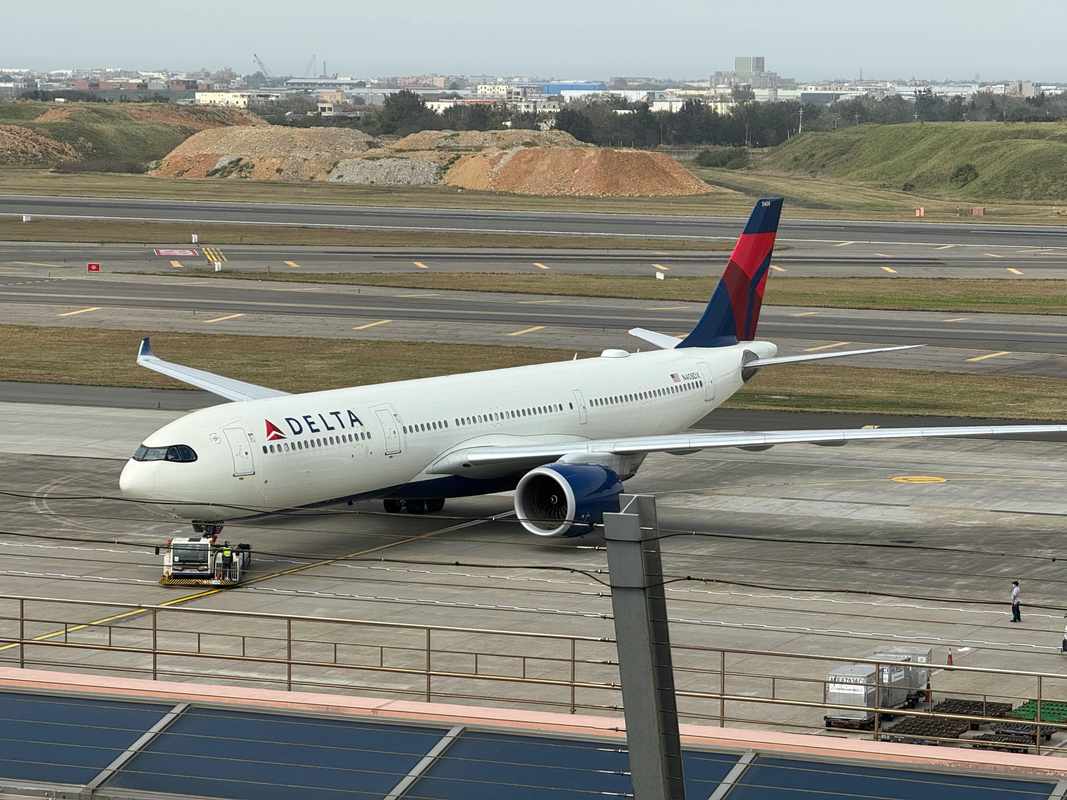
Flight 1067 was operated by an Airbus aircraft, and Delta did not identify the specific model in its latest update. The flight carried 179 passengers and 6 crew members, for a total of 185 people onboard.
Delta said the technical cause of the engine issue and any maintenance findings have not been confirmed publicly at this stage, as the incident is still under review. The airline described the issue as a left-engine failure.
Table 1: Flight and incident specifics at a glance
| Item | Details |
|---|---|
| Flight | Delta Air Lines Flight 1067 |
| Aircraft | Airbus (model not stated) |
| Route | Savannah to Atlanta; diverted back to Savannah |
| People onboard | 179 passengers, 6 crew members |
| Total onboard | 185 |
| Reported problem | Left-engine failure shortly after takeoff |
| Outcome | Landed safely; evacuation completed; no injuries reported |
| Ground response | Emergency crews staged; reports of flames and nearby grass fire |
Airport activity shifted quickly into a precautionary posture as the jet returned, with emergency vehicles positioned to meet the aircraft. Reports tied the left-engine failure to visible flames and a small grass fire near the runway area, prompting a response from airport fire crews.
After touchdown, passengers left the aircraft normally at the gate, Delta said. The evacuation was completed without reported injuries, and the airline said it worked to place travelers onto alternate flights to Atlanta.
One passenger described the engine as “bursting into flames” during takeoff, saying flames were visible from the aircraft. Delta and airport officials emphasized the safe landing, and the aircraft’s age—described as a 13-year-old plane—was cited only as background, not as an explanation for the failure.
Federal Aviation Administration (FAA) oversight is expected to be part of the follow-up, as the agency typically reviews significant mechanical events and gathers information from the operator, flight crew reports, and incident data. As of the latest update, no Federal Aviation Administration (FAA) statement specifically addressing this Savannah incident had been issued.
⚠️ Investigation steps and preliminary findings may take time; timelines remain uncertain
Delta has faced other engine-related events that drew FAA attention, including Delta Air Lines Flight 1676, which returned to San Antonio on February 3, 2026. In many cases, investigators may first collect recordings and operational data, then assess inspection results and maintenance documentation before any public preliminary summary.
Table 2: Regulatory context snapshot
| Entity | Role | Current Status |
|---|---|---|
| Federal Aviation Administration (FAA) | Typically reviews significant aircraft incidents, collects data, and may examine maintenance and operational records | No specific statement addressing the Savannah incident as of the latest update |
| Delta Air Lines | Operator responsible for passenger care, aircraft inspection, and cooperation with regulators | Apologized; rebooked passengers on alternate flights; said the issue involved the left engine |
| Savannah/Hilton Head International Airport | Coordinates airfield emergency response and supports safe ground operations | Emergency crews staged; response included fire resources due to reported flames and nearby grass fire |
Delta apologized to customers and said it rebooked affected passengers to Atlanta on alternate flights. Travelers impacted by disruptions can typically get the fastest updates through the Delta app, airport agents, or Delta’s phone support, and may be asked for a confirmation number and the original itinerary.
✅ Passengers affected by disruptions should monitor Delta updates and confirm rebooking options/documentation with the carrier
The flight’s return ended without reported injuries, but the regulatory review may continue as information is assembled and assessed. Passengers with questions about refunds or compensation should review airline rules and applicable federal guidance, since eligibility can depend on the reason for the disruption and the type of expense.
This information is being reported on the basis of publicly available statements and does not constitute legal advice. Readers seeking legal guidance should consult a qualified attorney or official agency communications.