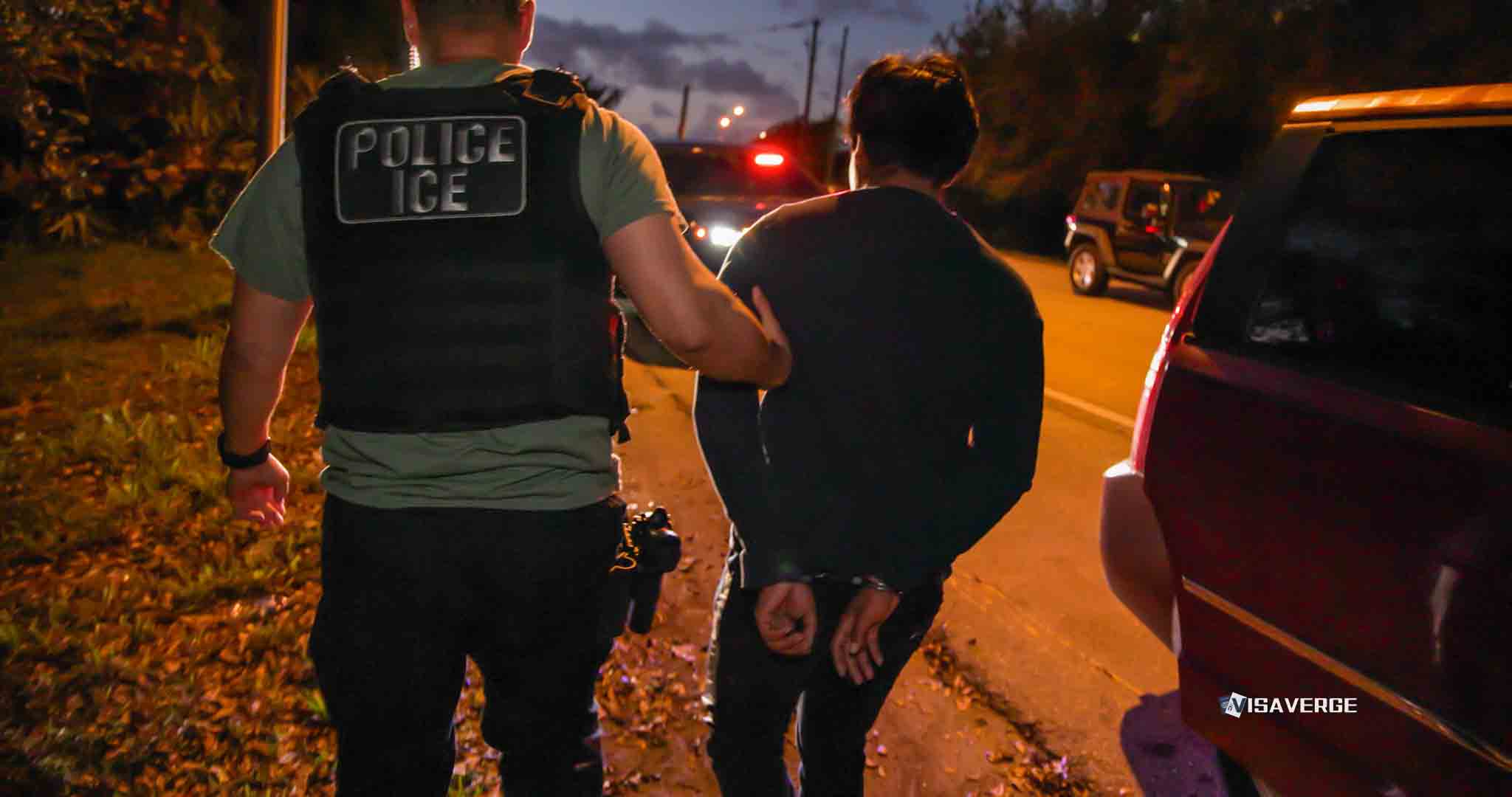
- Returning residents must declare all items acquired abroad to avoid penalties or forfeiture of their goods.
- The $800 duty-free exemption does not exempt travelers from the requirement to list all international purchases.
- High-value items exceeding $1,800 may trigger formal entry procedures and detailed classification by customs officers.
(UNITED STATES) — U.S. travelers returning from long international trips face a clear customs test at the border: declare what they bought, understand the duty limits, and expect more questions when the value of their purchases rises.
That CBP Shopping Warning does not mean a suitcase full of souvenirs, gifts, cosmetics, electronics, apparel or collectibles is automatically a problem. Reentry concerns center on whether purchases were fully disclosed, whether they fall within personal-use rules, and whether they cross thresholds that can trigger additional customs processing under U.S. Customs rules.
A recent traveler discussion about coming back to the United States after a month abroad with roughly $4,000 in purchases captures a point many people misunderstand. The question at reentry is often not whether someone shopped “too much,” but whether the goods were properly declared and whether any part of the baggage may require more formal treatment.
CBP says returning residents generally qualify for an $800 duty-free personal exemption if they have been out of the country for at least 48 hours. That exemption is typically available once every 31 days.
Another figure matters too. CBP says articles valued above $1,800, even when intended for personal use, may be subject to entry procedures, classification, appraisal, and applicable duty.
For many travelers, that distinction becomes real after a long stay abroad. A month in Japan, Europe, India or another shopping destination can easily end with bags full of personal purchases and presents for family or friends.
Being over the $800 duty-free personal exemption does not by itself create a violation. CBP, not the traveler, decides whether duty applies and whether additional procedures are needed after the goods are disclosed.
That is where a common mistake begins. Some travelers assume the $800 rule means they need to mention only the amount above that figure, or that purchases below it do not count for declaration purposes.
CBP’s instructions are broader. U.S. residents must declare all articles acquired abroad and brought back into the country, and all purchased merchandise and agricultural products must be itemized during the declaration process used on arrival.
The same rule covers gifts. Items bought abroad to give as gifts, and gifts received while abroad, still must be declared when the traveler reenters the United States.
That makes the declaration process more straightforward than many travelers think. Declare first, then let CBP calculate later.
Travelers do not decide on their own that an item is “under the limit” and therefore invisible to customs. Disclosure comes first, and officers determine duty, exemptions and any follow-up processing after that.
Inspection can become more detailed when baggage contains several thousand dollars in purchases. High-value luggage can raise several questions at once about personal use, duty, restricted goods, complete valuation and whether the traveler may be carrying commercial merchandise.
A customs officer may want to know whether the goods are genuinely for personal use or whether they look more like items intended for sale. That issue can become sharper when purchases fall into the same category or appear in larger quantities.
CBP has separately reminded travelers that goods brought in for sale or other commercial use must be declared as such. A large-volume or repeat-category shopping pattern can draw more attention even if the traveler describes it as “just shopping.”
That matters for people who combine vacation travel with side hustles, resale plans or informal business activity. Mixing personal travel with small-scale commerce can change the tone of an inspection quickly.
Someone carrying a few souvenirs and personal gifts may face a routine conversation. Someone returning with multiple identical luxury items, sealed electronics or quantities that resemble inventory may face questions that go well beyond a standard duty assessment.
At that stage, the issue may move into import classification and entry requirements. CBP’s guidance that articles over $1,800 may be subject to entry serves as a warning that saying “I bought this on vacation” may not keep the matter in the casual traveler category.
Another source of confusion involves the difference between ordinary merchandise and other regulated goods. Customs value questions can overlap with agriculture screening and reviews of prohibited or restricted items.
CBP instructs travelers to declare purchased merchandise and agricultural products. Some goods require permits, agency review, or may be barred entirely.
That means an expensive camera or designer bag may prove less problematic than food or natural products packed in a suitcase. Snacks, meat products, plant material, herbal items, animal products, counterfeit goods and protected-species items can create the larger problem at inspection.
The legal stakes rise sharply when a traveler leaves items off a declaration. Under 19 U.S.C. § 1497, an article not included in the declaration and not mentioned before baggage examination begins is subject to forfeiture.
For non-controlled substances, the penalty is equal to the value of the article. In practice, a traveler who fails to declare a purchase can lose the item and face an additional penalty tied to that item’s value.
That consequence makes non-disclosure far riskier than many leisure travelers assume. Trying to avoid duty by omission can prove much more costly than declaring the item in the first place.
The effects can go beyond a single trip. A customs issue does not automatically become an immigration violation, but it can prolong inspection, lead to secondary screening, trigger document review and complicate future entries if an officer believes the traveler was evasive or dishonest.
That point matters across immigration categories. Immigrants, students, temporary workers, green card holders and U.S. citizens all encounter the same customs declaration duties when they arrive at a U.S. airport or other port of entry.
Border inspection brings several checks together in one encounter. Travel history, baggage contents, declarations and admissibility screening can converge at the same moment, which is why customs compliance can shape the rest of the arrival process.
Another misunderstanding often surfaces in online discussions about shopping abroad. The well-known $800 rule for travelers is not the same as the de minimis threshold used in parcel shipping.
CBP’s traveler guidance addresses personal exemptions for returning residents at the border. Rules people hear about for online shopping or low-value package imports concern imported shipments and tariff treatment in a different channel.
The distinction matters because baggage and shipped parcels do not move through the same process. Travelers should not assume that a threshold discussed in connection with e-commerce or international delivery applies the same way to items they carry home themselves.
That confusion can distort expectations. A person may believe a purchase is harmless because it would appear small in a parcel-shipping context, yet still face normal declaration, appraisal or duty questions when walking it through customs in checked or carry-on luggage.
For returning residents, the safest preparation begins before they leave for the airport abroad. Keeping receipts or maintaining a running total of purchases can make the declaration process faster and more accurate.
Separating goods for personal use from gifts can help as well. So can being ready to explain high-value items clearly and consistently if an officer asks about them.
Travelers should also declare all articles acquired abroad, including gifts and food items. That step remains central whether the trip lasted a weekend or a month.
Going over the $800 duty-free personal exemption is not, by itself, a sign that a traveler did something wrong. It usually means CBP will decide whether duty applies or whether additional entry procedures are required.
That is the practical effect of the CBP Shopping Warning now circulating among travelers weighing what they can bring back after long stays abroad. The warning is less about limiting shopping than about making sure the border conversation starts with full disclosure.
Long trips often produce fuller suitcases. Longer stays can also increase the odds of a closer look from customs officers, especially when travelers arrive with higher-value purchases, repeat-category goods or items that fall into restricted categories.
None of that means travelers should avoid buying gifts or souvenirs overseas. It means they should understand how U.S. Customs rules work before they reach the inspection line.
The border question is not whether a traveler had a productive shopping trip. The border question is whether that traveler can account for what is in the bags, explain what is for personal use, identify what is a gift and let CBP determine what happens next.
That approach carries less risk than trying to guess which items matter and which do not. For travelers arriving after a month abroad with bags packed with purchases, the safer strategy remains simple: declare better, not necessarily buy less.