- United Airlines will cut international MAX 8 flights by 16% in Q3 2026 due to delivery delays.
- The airline faces surging jet fuel costs and geopolitical conflicts, forcing a 5% overall capacity reduction.
- Despite current setbacks, United expects to restore full schedules by fall 2026 with new aircraft deliveries.
(UNITED STATES) — United Airlines plans to operate 16% fewer international flights with the Boeing 737 MAX 8 in the third quarter of 2026, Cirium aviation analytics data showed, as the carrier trims capacity while Boeing delivery delays and higher fuel costs pressure its network.
The adjustment sits inside a broader retrenchment. United has already announced roughly 5% overall capacity cuts for the second and third quarters of 2026 across its network, with the airline targeting unprofitable flying as jet fuel prices climb.
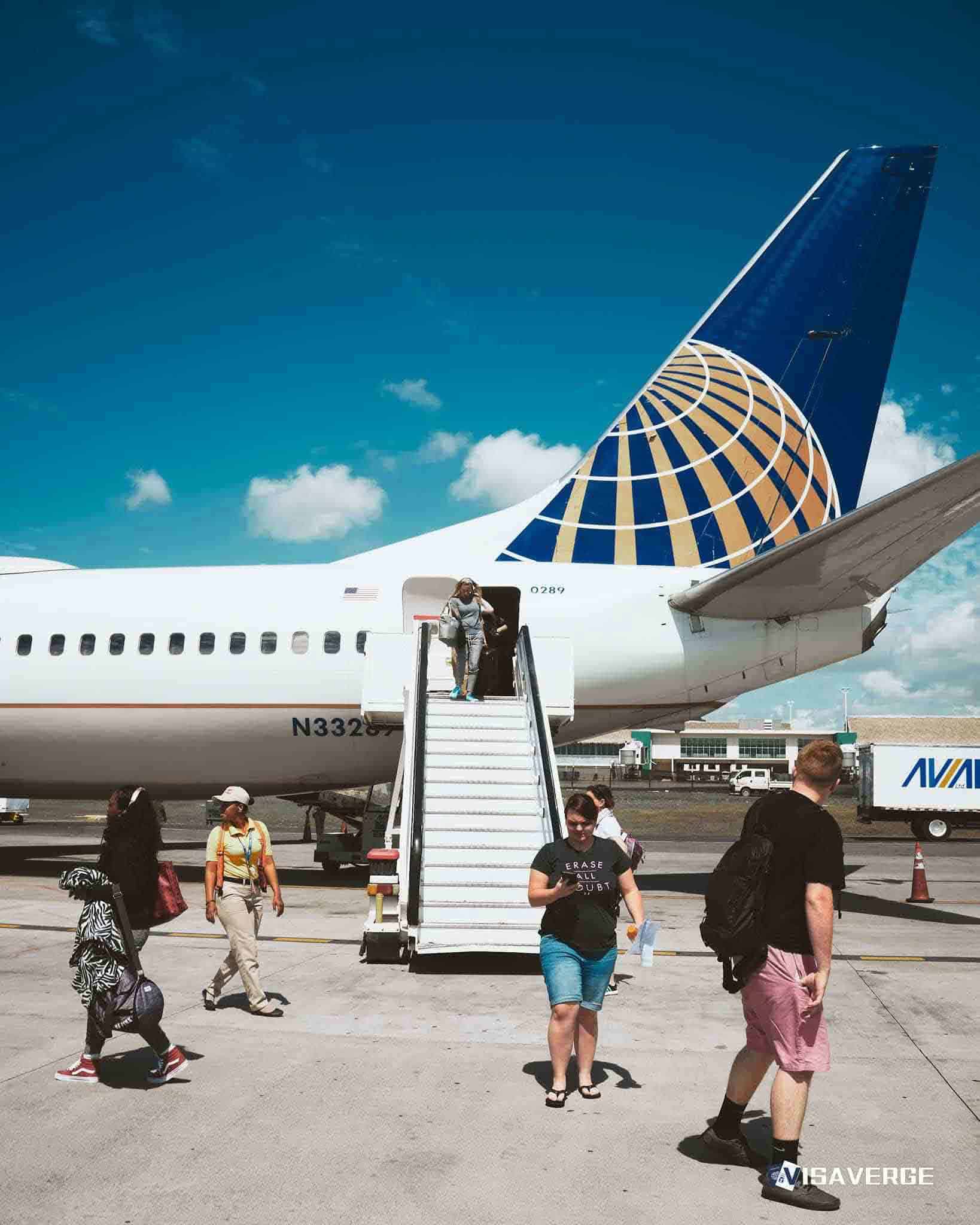
Cirium’s data points to a sharp pullback in one narrow part of the fleet, but United has not publicly confirmed that exact 16% figure for MAX 8 international operations. The airline has, however, tied recent planning changes to delayed aircraft deliveries and to a tougher cost environment.
Those delivery problems trace back to Boeing’s prolonged disruption on the 737 MAX line. United said reduced block hours for 2024 would reflect those delays, and the effect has carried into 2026 planning.
The airline also offered pilots voluntary unpaid leave in May because of the delayed deliveries. United linked the shortfall to Federal Aviation Administration production halts on the 737 MAX after quality concerns, including the January 5 door plug incident on an Alaska Airlines flight.
That combination has left United trying to balance a network built for growth with a fleet that has arrived later than planned. On some routes, that means fewer frequencies. On others, it means cuts aimed at flying that no longer clears the airline’s profit threshold under current fuel costs.
Jet fuel prices have doubled since the late February 2026 Iran conflict, and United modeled oil at $175 per barrel as it worked through the latest round of capacity changes. Higher fuel prices hit narrow-body international flying especially hard when airlines rely on aircraft that serve thinner markets and longer stage lengths.
Chief Executive Scott Kirby broke down the cuts in a staff memo. He said 3 percentage points would come from off-peak flying, including red-eyes and service on Tuesdays, Wednesdays and Saturdays.
Kirby said another 1 percentage point would come from reductions at Chicago O’Hare because of FAA limits. He assigned the final 1 percentage point to suspended service to Tel Aviv and Dubai during the conflict.
Those figures add up to the roughly 5% reduction United announced for the second and third quarters of 2026. They also show that the airline’s response is not tied to a single problem. Fuel, air traffic constraints, geopolitics and missing aircraft have all fed into the same scheduling decision.
The MAX 8 cut stands out because the aircraft plays a specific role in United’s international network. The Boeing 737 MAX 8 supports routes of up to 4,028 miles (6,480 km), a range that allows airlines to serve shorter international markets without shifting to larger long-haul jets.
Several United international routes sit near that range limit. Any reduction in MAX 8 availability can force trade-offs, especially when the aircraft had been expected to cover thinner overseas segments where larger planes would add too much cost or too many seats.
That makes fleet planning more than a delivery count. When an airline loses part of its expected narrow-body capacity, it must decide whether to reduce flying, move larger aircraft into those markets, or step back from routes that already carry weak margins.
United has chosen to cut. The airline said the reductions focus primarily on unprofitable routes, a shift that lines up with the economics of fuel at current levels and with the limits of a fleet still waiting on Boeing.
Operational strains have added to the pressure. On April 3, 2026, United recorded 835 delays and 44 cancellations because of weather and FAA restrictions affecting hubs including Newark, Chicago O’Hare, Denver, Dulles and Houston.
Those disruptions did not drive the long-range fleet plan by themselves, but they illustrated how exposed large network carriers remain to a system already running tight. When a carrier pares capacity and still faces air traffic limits at major hubs, schedule resilience becomes harder to preserve.
United has nevertheless kept its growth story alive beyond the current cuts. The airline expects to restore full schedules by fall 2026, a timeline that depends on new aircraft arriving in time to refill the gaps left by the MAX delays and to support broader network demand.
Its delivery plan remains large. United expects 120 new aircraft deliveries in 2026, including 20 Boeing 787s, and another 130 through April 2028.
That mix matters. The 787 deliveries strengthen the long-haul fleet, while the broader delivery stream should give United more room to rebuild frequencies, reopen trimmed flying and ease pressure on aircraft utilization if Boeing stabilizes output.
United also said compensation tied to the MAX issues will lower fleet costs. That relief may soften part of the financial hit from delayed deliveries, though compensation does not replace the missing aircraft hours that airlines count on when they build schedules months in advance.
Kirby’s memo suggests the airline sees the present cuts as temporary rather than structural. Restoring the full schedule by fall 2026 would mark a return to growth after a year in which planning has depended as much on outside constraints as on demand.
Still, the Q3 international pullback in MAX 8 flying gives a clearer measure of how sharply the aircraft shortage has affected a single slice of United’s network. A 16% reduction in those flights is not a symbolic adjustment. It points to real route-level changes in the markets where the MAX 8 would otherwise fly.
That pressure reaches beyond one fleet type. United Airlines has had to spread the effect across off-peak domestic service, hub operations at Chicago O’Hare, conflict-affected international routes and aircraft assignments that no longer match the original plan.
Earlier MAX groundings, which some dated reports said would extend to August, formed part of the backdrop to those decisions. Even as those reports aged, the underlying problem remained the same: Boeing’s delays continued to ripple through airline schedules long after the initial shock on the factory line and in the regulatory response.
The result is an airline still planning for expansion, but on a narrower path than it expected. Until deliveries recover and fuel prices ease, United’s schedule will reflect the cost of waiting for airplanes that were supposed to be in service already.