- The Karnataka High Court upheld a deportation notice for a U.S. national violating visa terms.
- A tourist visa permits only tourism and strictly forbids business activities or managing companies.
- Foreigners lack the fundamental right to reside in India if they breach visa conditions.
(KARNATAKA, INDIA) — The Karnataka High Court upheld a Leave India Notice issued to U.S. national Christopher Richard after finding that he had entered India on a Tourist Visa (Type-T) but engaged in business activities through G7 CR Technologies India Pvt Ltd.
Justice M. Nagaprasanna, sitting as a single-judge bench, delivered the ruling on February 5, 2024, affirming action taken by the Foreigners Regional Registration Officer under the Foreigners Act, 1946 and the Foreigners Order, 1948.
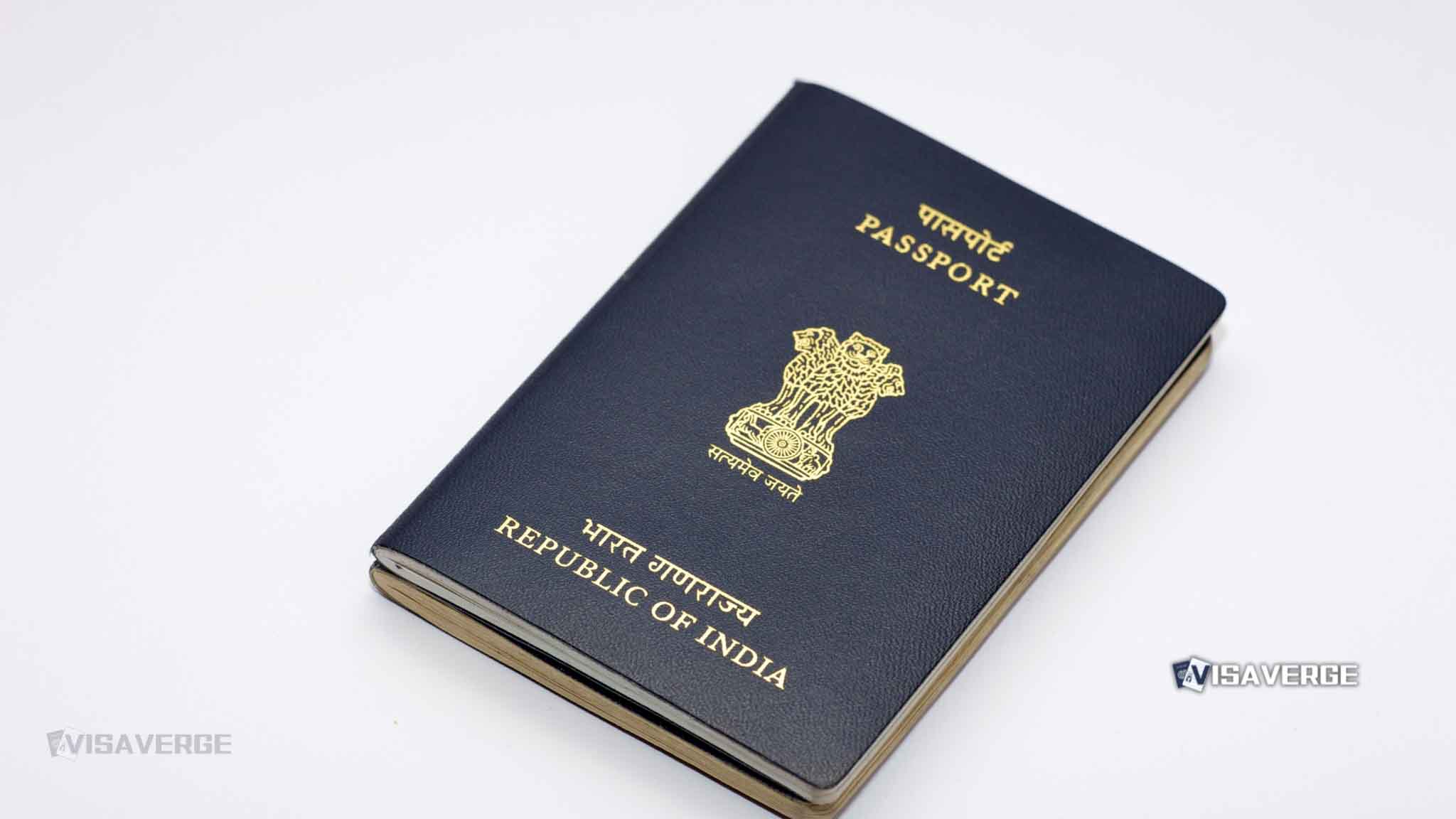
The case turned on the court’s finding that Richard was not visiting India for tourism alone. The court found he was the “Founder and Managing Director” of a firm, conducting business operations and employing staff, activity barred under a Tourist Visa.
“The petitioner, a foreign national, has no fundamental right to reside or settle in this country. His stay is subject to the terms of the visa. A tourist visa is for tourism and nothing else. Engaging in business while on a tourist visa is a blatant violation of the Foreigners Act,” Justice M. Nagaprasanna said in the ruling.
That decision placed the visa violation, not the company’s business, at the center of the dispute. The court upheld the FRRO’s power to act when a foreign national breaches the terms of entry.
Under the rules cited by the court, a Tourist Visa does not permit business activities in India. Foreign nationals intending to conduct business must obtain a Business (B) Visa, while those taking up employment must obtain an Employment (E) Visa.
The judgment also addressed constitutional protections available to foreigners. The High Court said Article 21, covering the right to life and liberty, applies to foreigners, but Article 19(1)(e), which covers the right to reside and settle, does not give a foreign national a right to remain in India.
That distinction shaped the court’s view of the case. Richard’s stay depended on compliance with visa conditions, and the court treated the alleged breach as enough to sustain the Leave India Notice.
The ruling reinforces the authority exercised by the FRRO, which operates under the Ministry of Home Affairs, to monitor foreign nationals and act against visa violations. It also reflects a judicial stance against interfering with deportation-related orders when the visa category violation is clear.
For foreign nationals in India, the case offers a direct warning on the limits of a Tourist Visa. Tourism status cannot be used to run a company, manage employees or carry out commercial operations.
The U.S. Department of State sets out similar advice for American travelers to India. “U.S. citizens must strictly adhere to the conditions of their visa. Indian authorities have the right to deport or detain foreign nationals found to be in violation of visa terms, including engaging in business or employment on a tourist or visitor visa,” the Bureau of Consular Affairs says in its India country information page at travel.state.gov.
That policy context matters because the case involved a U.S. citizen facing immigration enforcement abroad rather than any U.S. immigration issue. Indian authorities, not U.S. agencies, controlled the visa status and the enforcement decision.
The High Court’s ruling, recorded through the Karnataka judiciary, makes clear that entry permission defines the scope of lawful activity. Once the court concluded that Richard had moved beyond tourism into business management, the legal question narrowed to whether authorities acted within their powers.
On that point, the court relied on long-standing statutory powers available under the Foreigners Act, 1946 and the Foreigners Order, 1948. Those laws empower the central government and immigration authorities to deport a foreigner who violates the terms of stay.
The case also carries business implications for entities linked to a foreign national found to be on the wrong visa. In this instance, the company named in the proceedings was G7 CR Technologies India Pvt Ltd, which the court said Richard was managing and operating.
A Leave India Notice can trigger immediate operational disruption. Leadership responsibilities may shift quickly, and a business tied to the affected person can face financial strain and regulatory scrutiny.
For the individual concerned, the consequences can extend beyond departure from India. Such violations often carry the risk of blacklisting, which can affect future entry into the country for years or longer.
The notice itself usually requires departure within a short window. The timeframe is typically 15 days.
That compressed period can have immediate effects on personal residence, company oversight and future travel. It also leaves little room for a foreign national to continue any disputed activity while challenging the order.
The Karnataka High Court’s approach in Richard’s case aligns with that practical enforcement structure. Where authorities found the visa conditions had been breached, the court declined to read a broader right to stay into the Constitution.
The judgment gives added weight to immigration oversight by the FRRO and the Ministry of Home Affairs. It indicates that where officials can show a foreign national entered on one visa category and acted under another, the court is prepared to sustain removal action.
Officials have also increased scrutiny in cases involving foreign nationals accused of taking part in political protests or unauthorized business activities, according to the Ministry of Home Affairs. Richard’s case falls into the business-activity category and shows how those rules can be applied in court.
The ruling is likely to draw attention among foreign founders, consultants and executives who spend time in India while overseeing local operations. The line between visiting and working can become decisive, and the court’s language left little room for ambiguity.
“A tourist visa is for tourism and nothing else,” Justice M. Nagaprasanna said.
That sentence may become the most cited part of the order because it states the court’s position in direct terms. It also connects the immigration question to day-to-day conduct, not simply to a label stamped in a passport.
In practice, the decision means foreign nationals cannot rely on informal or partial involvement in a business while traveling under a Tourist Visa. If the activity amounts to managing operations, directing staff or running a company, the proper visa category matters.
The case also highlights the legal divide between liberty and settlement rights for foreigners in India. Article 21 may protect against unlawful deprivation of life or personal liberty, but the court said it does not convert a time-bound visa into a right to remain after a violation.
That constitutional reading gave the court a narrow framework. It assessed the immigration breach, identified the legal authority behind the notice and upheld the state’s power to require departure.
Records of Karnataka High Court judgments are available through karnatakajudiciary.kar.nic.in. The Ministry of Home Affairs outlines the framework for foreigners regulation through its Foreigners Division.
Together, those sources set out the two pillars behind the case: the court’s interpretation of the law and the administrative system that enforces it. Richard’s case sits at the intersection of both.
The judgment is also a reminder that a Leave India Notice is not merely procedural. It can alter a person’s legal status, business role and future travel prospects within days.
For foreign nationals entering India, the ruling from the Karnataka High Court sets out a simple rule with hard consequences. A Tourist Visa permits tourism, and when authorities prove that a visitor crossed into business activity, the court has shown it will back a Leave India Notice.