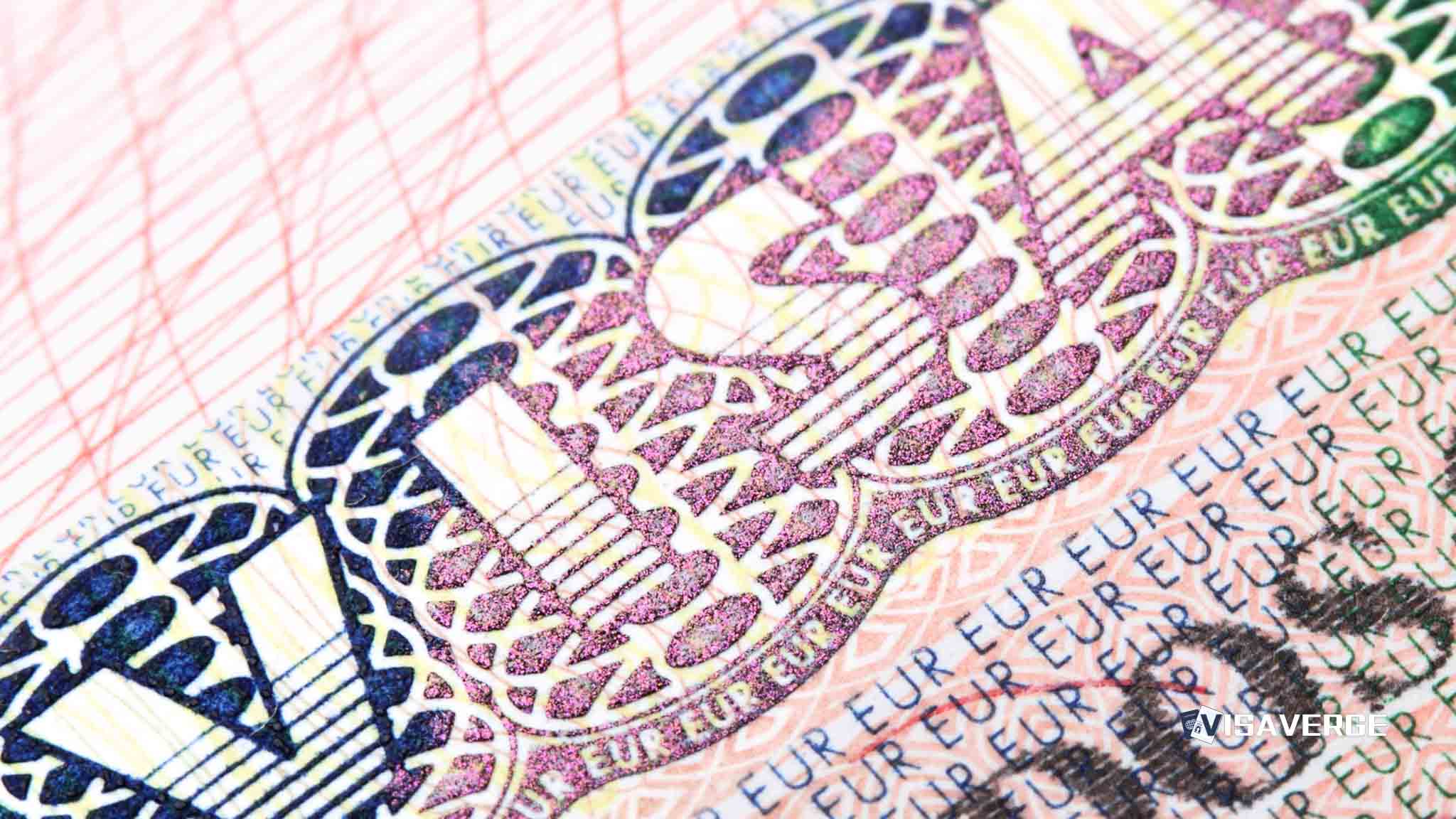
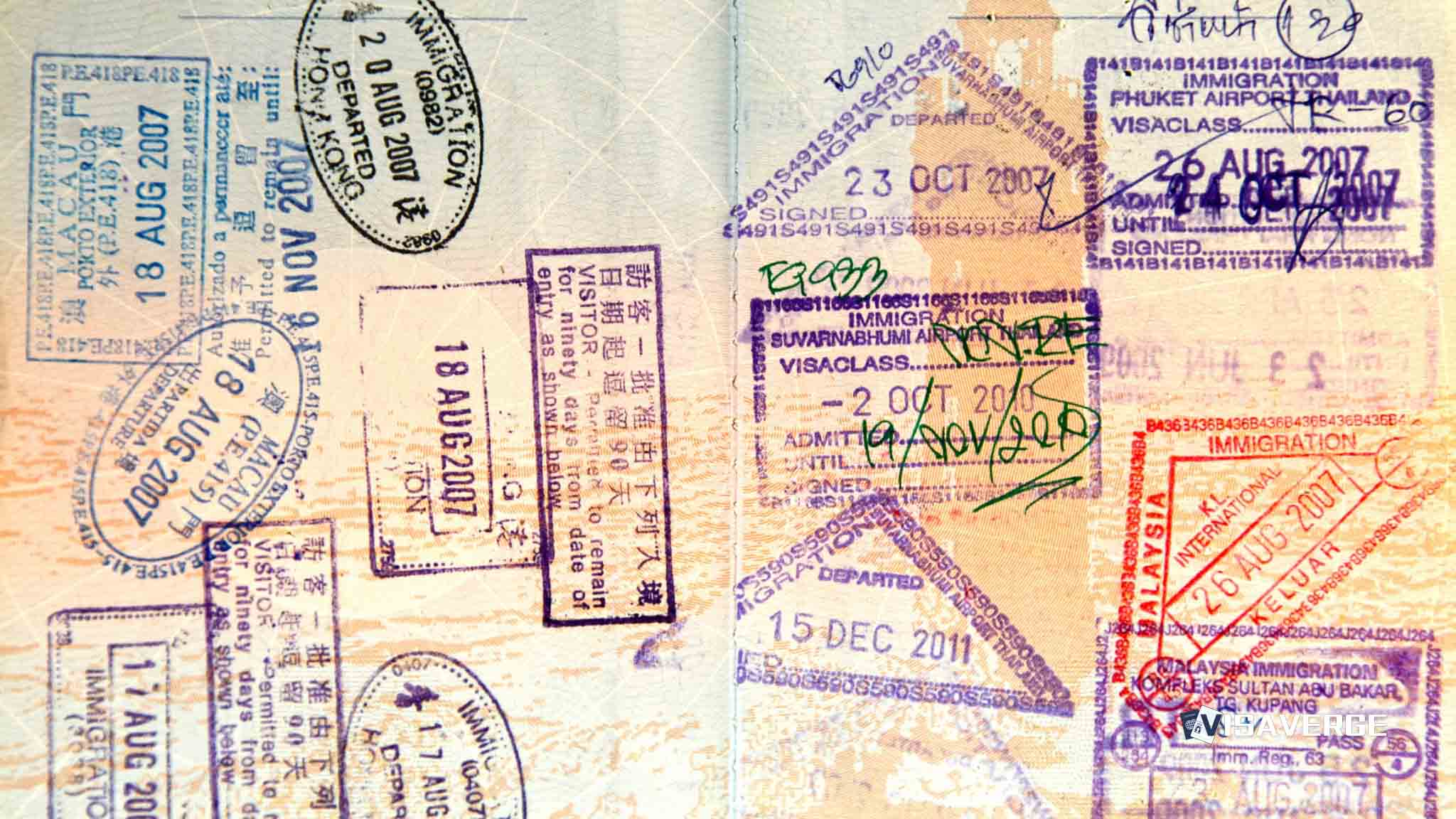
- The European Union has fully activated its biometric Entry/Exit System across 29 Schengen countries today.
- Traditional passport stamps are replaced by digital records linking facial scans and fingerprints to travel documents.
- First-time travelers should expect two-hour delays at major airports while initial biometric registration is completed.
(EUROPE) — The European Union fully activated its Entry/Exit System on Friday across all 29 Schengen countries, ending manual passport stamps for non-EU nationals, including Indian travellers on short stays of up to 90 days in any 180-day period.
The biometric system, known as the Entry/Exit System, now digitally records entries and exits using facial images and fingerprints linked to a traveller’s passport. Ink stamps at Schengen border points are being replaced by those electronic records.
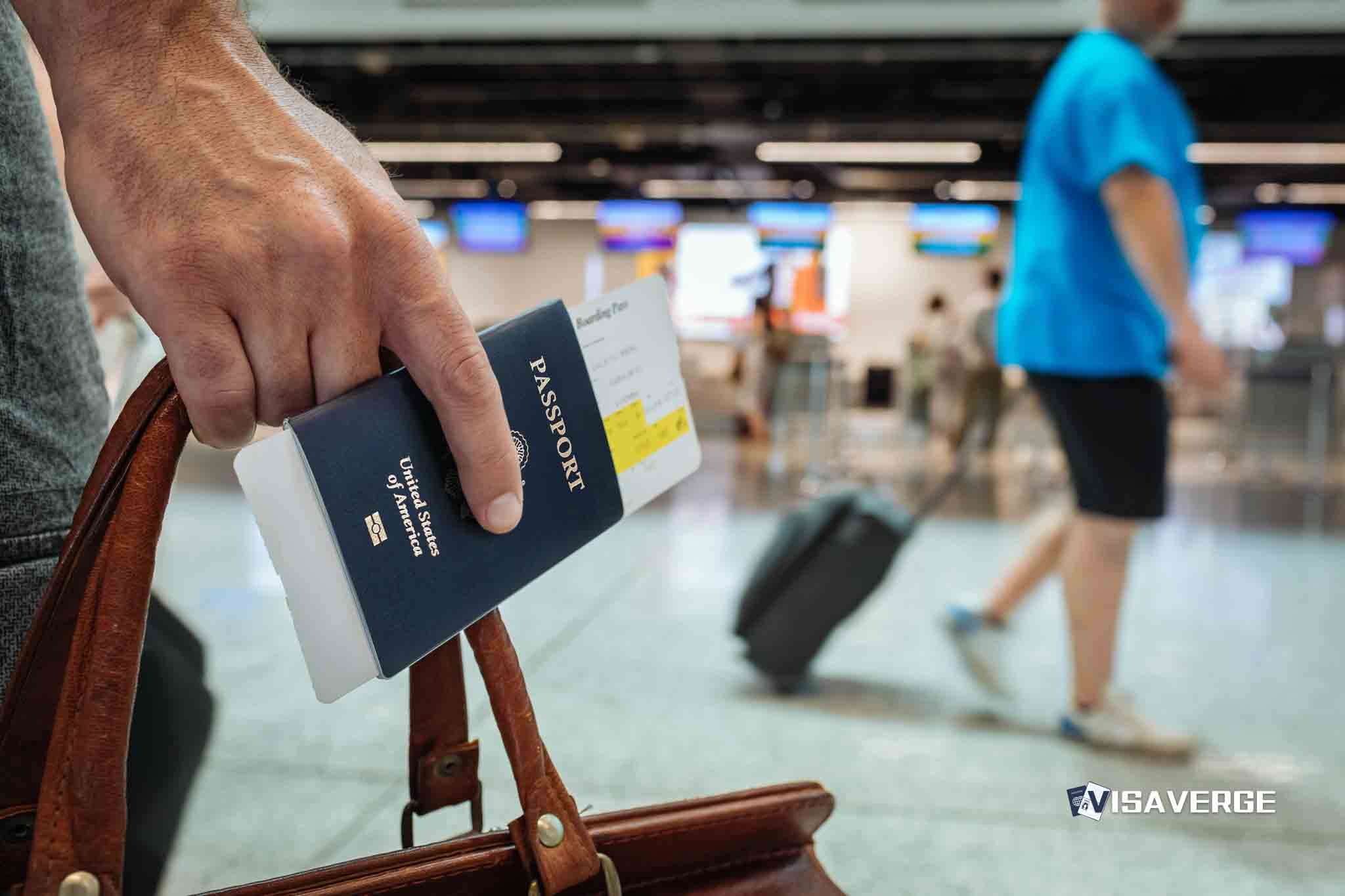
For Indian travellers heading to Europe, the change means border checks now move into a digital system that tracks travel history and flags overstays in real time. Manual stamping ends from April 10, 2026, after pre-registration began from March 31, 2026.
The new regime applies across all Schengen countries and covers all non-EU and non-Schengen nationals making short stays. That includes citizens from countries such as India, the United Kingdom, the United States, Canada and Australia.
At a first entry after April 10, 2026, travellers must provide fingerprints and a facial scan at self-service kiosks or manned desks. Border authorities store that data for 3 years, or until passport renewal, and the system automatically tracks the 90/180-day allowance.
After that first enrolment, subsequent entries and exits move more quickly. Travellers can use e-gates for automated verification without enrolling their biometrics again.
The shift marks one of the biggest practical changes for visitors entering Schengen countries in recent years. For many passengers, the most visible sign will be the disappearance of the familiar passport stamp.
For Indian travellers in particular, that changes how travel records are kept. Instead of relying on physical stamps to show when a trip began or ended, the Entry/Exit System creates a full digital history tied to the passport and biometric record.
That has direct consequences for short-stay travel. The system does not simply log border crossings; it also checks whether a person has exceeded the allowed stay, and it can flag overstays immediately.
Border checks under earlier phases of the rollout had already led to more than 24,000 people being denied entry. Friday’s full activation removes the remaining partial implementation and makes the system mandatory across the bloc.
The practical experience at airports may not feel faster at first. Travellers have been warned to expect delays of up to 2-hour delays at peak airports as databases populate and first-time enrolments add processing time.
Those longer waits matter most during the opening period, when large numbers of passengers will enter the system for the first time. A first visit now carries extra steps because fingerprints and a facial scan must be taken before a traveller can move to the quicker automated process on later trips.
For frequent visitors to Europe, the appeal of the system lies in those later journeys. Once biometric data is on file, e-gates can verify identity automatically, reducing the need for repeated document handling at staffed desks.
Passport renewal creates one exception to that streamlined process. Travellers who renew a passport must carry both the old and new passports until the new one is enrolled in the system.
That detail could prove especially important for Indian travellers who renew documents close to departure. A missing old passport could complicate efforts to match a person’s existing biometric record to a new travel document.
France has one notable exception to the rollout. Biometric Entry/Exit System checks have been delayed at Channel crossings, including Eurostar, Eurotunnel and Dover ferries, where manual stamps will continue.
Even there, the broader rules do not change. The 90/180-day limit still applies, which means travellers using those crossings must keep track manually while stamping remains in place.
That creates a mixed picture for some routes into Europe. A traveller could encounter full digital entry controls at one Schengen border point and a manual stamp at a Channel crossing linked to France.
For passengers, that makes record-keeping more important during the transition at those locations. Anyone moving through the French Channel crossings still needs to watch the number of days spent in Schengen countries even though the biometric system has been delayed there.
Across the rest of the Schengen area, officials have moved away from physical evidence in the passport and toward a central electronic record. For border agencies, that means a traveller’s previous entries and exits can be checked through the system rather than by reading pages of stamps.
For visitors, it means the burden shifts too. A missed or incorrect digital record can carry more weight because it feeds directly into the calculation of permitted stay and any overstay alert.
Travellers have been advised to verify passport validity before departure and carry all required documents. They have also been told to check airline and airport updates for possible delays tied to the start of full operations.
That advice reflects the way border checks now work under the Entry/Exit System. A valid passport remains the core travel document, but the inspection process now adds biometric capture and digital matching, particularly for first-time users after April 10, 2026.
Checking documents carefully at the border takes on added importance. Travellers have also been told to correct any border officer errors on-site to avoid issues later.
That step could matter because a wrong entry or exit record in a digital system may affect later crossings. Once travel history moves from stamped pages to automated records, any mistake can follow a traveller beyond a single trip.
For Indian travellers used to checking passport pages as proof of dates, the new process removes that quick visual reference. Their travel history will exist in electronic form instead.
The system’s scope is broad. It applies to non-EU and non-Schengen nationals on short stays, meaning many leisure travellers, family visitors and business passengers now pass through the same biometric process when entering Schengen countries.
Pre-registration from March 31, 2026, gave border systems a lead-in before Friday’s full start. From April 10, 2026, however, manual stamping ends and the rollout enters its mandatory phase.
That timing also matters for anyone who travelled during earlier phases. Partial implementation has now ended, and official EU guidance confirms that no partial implementations remain.
The Entry/Exit System also sets up the next stage of European border controls. It precedes ETIAS, a paid travel authorization expected in late 2026 for short-stay visa-exempt travellers.
That means Friday’s launch is not the end of the changes facing visitors to Europe. For many non-EU nationals, including some Indian travellers depending on their travel status, another layer of pre-travel authorization is expected to follow later this year.
In immediate terms, though, the new routine begins at the border itself. First-time arrivals after April 10, 2026, must stop for fingerprinting and a facial scan, while return visitors who have already enrolled can move to automated checks.
For airports, the opening days could be the hardest. Peak-hour pressure, first-time registrations and the need to populate databases all point to longer lines before the process settles into a more regular pattern.
For passengers, the message is simple but not minor. The old Schengen stamp has gone, the Entry/Exit System now controls short-stay border records across all 29 Schengen countries, and Indian travellers entering Europe from Friday must rely on a biometric digital trail instead of ink in a passport.