- Ecuador will double import tariffs to 100% on all Colombian goods starting May 1, 2026.
- President Noboa cited failed border security measures and drug trafficking as the primary reasons for the hike.
- The trade war has halted electricity exports and suspended technical talks between the two Andean nations.
(ECUADOR) — Ecuador announced on April 9, 2026, that it is raising tariffs on all imports from Colombia to 100% from 50%, effective May 1, 2026, deepening a trade war that President Daniel Noboa’s government tied to border security and drug trafficking.
The Ecuadorian government said it took the step after Colombia failed to implement effective border security measures against drug trafficking. The Ministry of Production, Foreign Trade, and Investment framed the move as a national security measure and called it a “security tax.”
President Daniel Noboa‘s administration said that “after confirming Colombia’s failure to implement concrete and effective border security measures, Ecuador is compelled to take sovereign action.” Officials said the measure seeks to enforce shared responsibility in combating narcotrafficking along the 600-km shared border.
The new tariff marks the latest increase in a fast-moving dispute that has widened from trade to energy and diplomacy. Ecuador first imposed tariffs at the end of January 2026, citing trade deficits and border security issues.
By late February 2026, Ecuador had raised those tariffs to 50%, effective March 1. Colombia then answered with matching 50% tariffs on Ecuadorian goods, banned 30 Ecuadorian food products including rice, bananas, avocados, potatoes and seafood, and suspended electricity exports of 200-300 MW capacity.
In March 2026, Ecuador added a 900% hike on Colombian oil pipeline fees through SOTE. The April 9 decision doubled tariffs again, taking them to 100% from May 1.
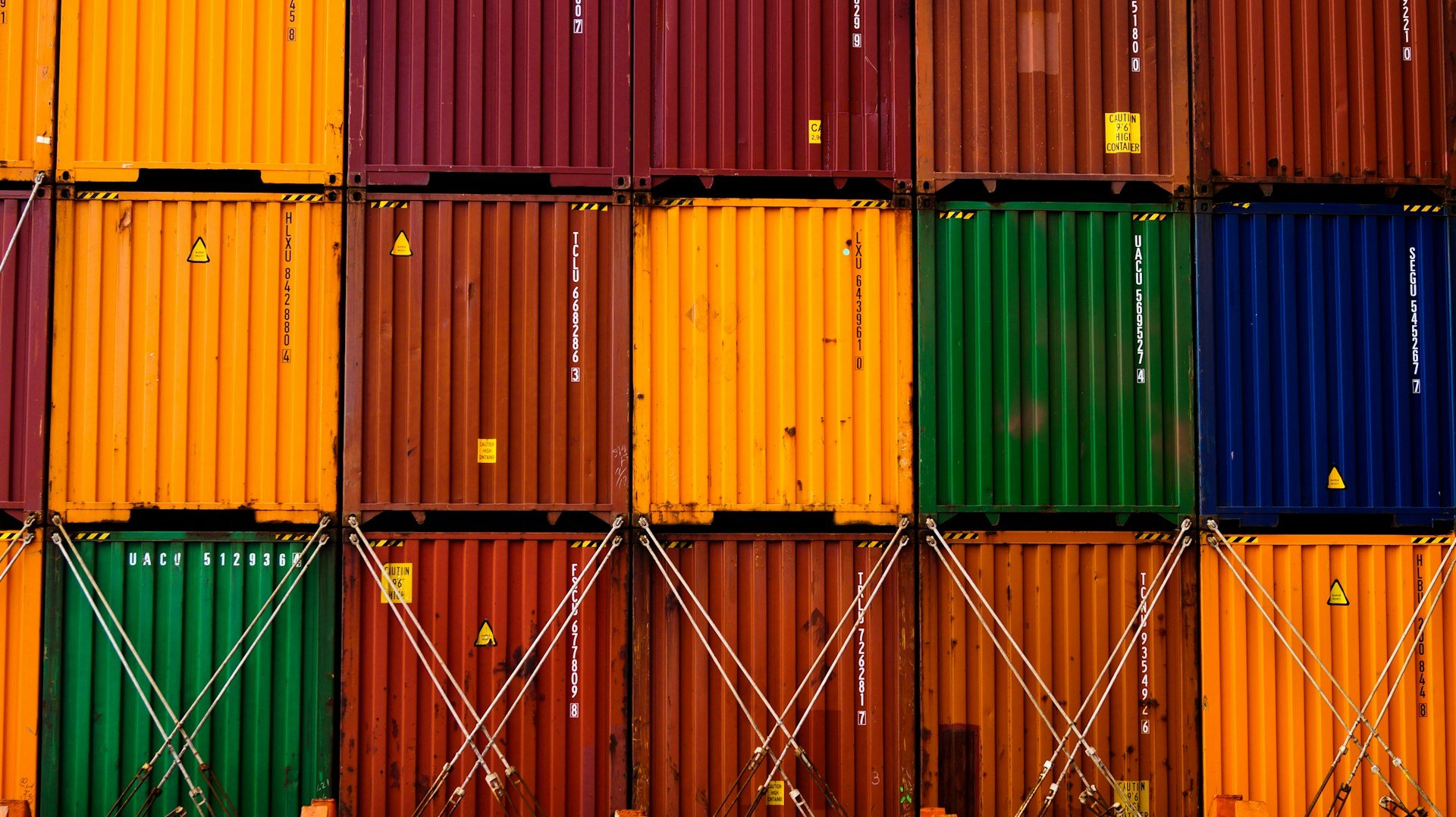
The dispute now touches a broad trade relationship. Bilateral trade totaled $2.8 billion in 2025, and Colombia is Ecuador’s second-largest regional partner.
Ecuadorian imports from Colombia include medicines, pesticides, sugar, vehicles and coffee. Ecuadorian exports to Colombia include wood panels, canned fish, frozen seafood, palm oil and rice.
The value at risk for Ecuador stands at $273 million annually for 580 Ecuadorian companies. That has sharpened concern among business groups as the conflict drags on.
Colombia has rejected Ecuador’s accusations and pointed to joint counter-narcotics operations. It also halted energy sales that had been critical for Ecuador during drought-induced power shortages.
The diplomatic fallout widened this week. Colombian President Gustavo Petro called the tariff move “simply a monstrosity” on X and questioned the value of Andean trade agreements while pushing integration with Central America, the Caribbean and Mercosur.
Colombian Energy Minister Edwin Palma also condemned the measure. He called it “a clear aggression against brotherly peoples” and criticized Noboa’s “arrogance” amid Ecuador’s energy crisis.
On the Ecuadorian side, Foreign Minister Gabriela Sommerfeld said technical talks on energy, trade and security that had been scheduled for next week were suspended on April 8. The suspension followed Petro’s description of former Vice President Jorge Glas as a “political prisoner.”
That remark prompted Ecuador to recall its ambassador and send a protest note demanding a focus on security. The halt in talks left one of the few active channels between the two governments on hold as the tariff increase moved ahead.
Andean Community mediation had already failed earlier in the dispute. The Guayaquil Chamber of Commerce warned that the confrontation could lead to job losses, reduced consumption and stronger incentives for smuggling.
Those concerns point to the broader costs of the trade war beyond tariff schedules. With food, industrial goods and energy all affected, the clash now reaches businesses, consumers and border communities on both sides.
Security has remained at the center of Ecuador’s public argument. Officials have said the tariff increases respond to Colombia’s lack of concrete action against drug trafficking along the frontier.
That frontier also became a fresh source of tension in March 2026. A border incident allegedly linked to an Ecuadorian operation caused explosives to land in Colombia, killing 14 people.
The deaths added to mistrust between the neighbors and fed a cycle of retaliation already underway. Analysts said the trade war benefits border criminals despite official claims from both sides.
For Noboa’s government, the latest tariff step places national security at the center of trade policy. By calling the levy a security tax, officials linked import duties directly to cooperation against narcotrafficking rather than to a narrower commercial dispute.
That framing stands out because the conflict began with tariffs and quickly widened into sanctions-like measures. Energy exports, pipeline fees and diplomatic contacts all became part of the standoff in little more than two months.
The timeline shows how rapidly the dispute escalated. At the end of January 2026, Ecuador imposed initial tariffs of 30%, or 21% on select goods per some reports, on Colombian imports.
A month later, those tariffs rose to 50%. Colombia then retaliated with its own 50% tariffs, product bans and the suspension of electricity exports, turning a bilateral disagreement into a broader economic confrontation.
March brought another step when Ecuador raised Colombian oil pipeline fees through SOTE by 900%. Then, on April 9, Ecuador doubled tariffs again to 100%, setting May 1 as the effective date.
Each move has pulled the two countries farther from a negotiated path. As of April 10, 2026, Colombia had not announced any new response beyond criticism.
That left businesses and officials watching for the next step while the current restrictions remain in place. Technical talks on energy, trade and security had been one possible venue for easing tensions, but those talks are now suspended.
For Ecuadorian companies, the tariff fight lands in a relationship that supports a steady flow of everyday goods. Medicines, pesticides, sugar, vehicles and coffee from Colombia are part of that exchange, while Ecuador ships processed and agricultural goods north.
For Colombia, the dispute also reaches beyond customs duties because Ecuador had relied on imported electricity during drought-related shortages. The suspension of electricity exports deepened the pressure by linking the trade fight to power supply.
Business groups have focused on the economic strain and the possibility that formal trade barriers will push more activity into illicit channels. The Guayaquil Chamber of Commerce warned not just about lower consumption and fewer jobs, but also about incentives for smuggling.
That argument echoes the warning from analysts that criminal groups, rather than either government, may gain from the confrontation. Border restrictions and diplomatic breakdowns can coincide with more room for illegal actors, even as both governments present their measures as responses to security threats.
The collapse of mediation efforts has added to that sense of drift. Earlier attempts by the Andean Community to contain the dispute did not succeed, and no replacement framework has emerged.
Petro’s criticism also raised questions about the political direction of regional ties. By calling the tariff move “simply a monstrosity,” he tied the dispute to a wider debate over the value of Andean integration.
Sommerfeld’s response showed how quickly those political statements can affect formal contacts. Her announcement that technical talks were suspended came after what had been scheduled as discussions on practical matters: energy, trade and security.
That combination of public confrontation and stalled technical dialogue leaves little room for de-escalation in the near term. Yet neither side has closed the door completely, and the conflict still carries potential for further diplomatic engagement or further escalation.
For now, the clearest date is May 1, 2026, when Ecuador’s tariff on all imports from Colombia is set to reach 100%. Until then, the neighbors remain locked in a dispute that has spread from customs posts to power lines, pipelines and embassies, while business groups warn that smugglers may be among the few winners.