- Biometric Entry-Exit System delays left 122 easyJet passengers stranded at Milan Linate airport.
- The flight departed for Manchester with only 34 passengers on board after border queues stalled.
- Stranded travelers faced costs exceeding £1,600 to find alternative flights home after the disruption.
(MILAN, ITALY) — easyJet flight EJU5420 left Milan Linate for Manchester with only 34 of its 156 booked passengers after border delays linked to the European Union’s Entry-Exit System left 122 travelers stranded in Italy.
The airline held the flight for nearly an hour before departing, but crew limits forced it to leave without most of the passengers who had been stuck in passport control lines, where biometric checks slowed processing to what one traveler called a crawl.
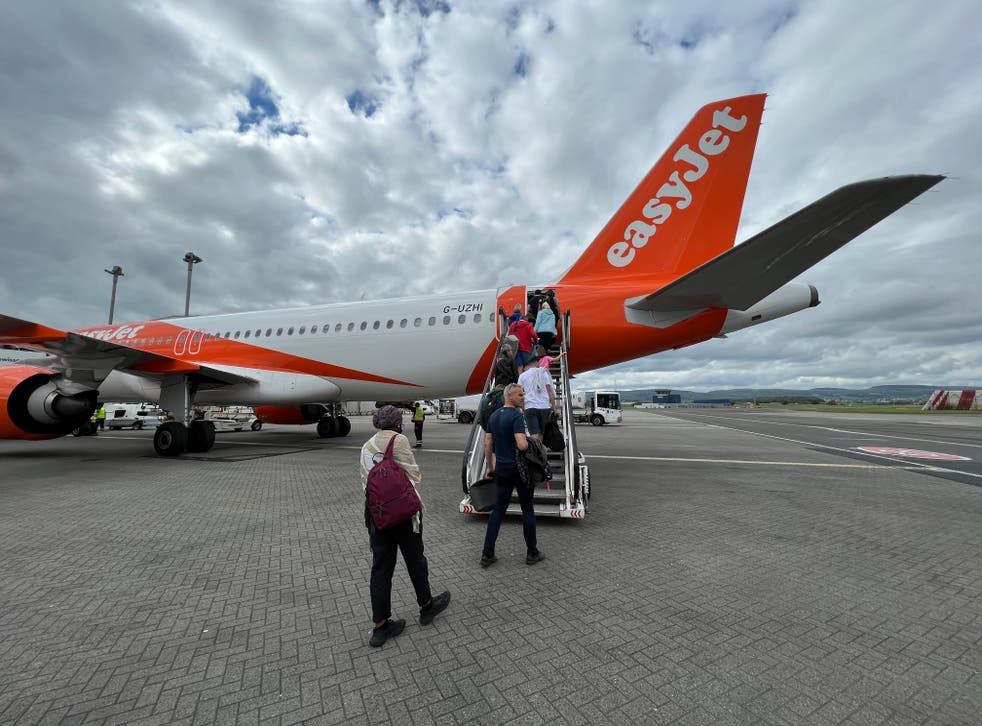
An easyJet spokesperson said that “due to delays in EES processing by border authorities, some passengers departing from Milan Linate yesterday experienced very long waiting times at passport control,” adding that the disruption was outside the airline’s control.
The bottleneck formed at a point in the journey where passengers had already arrived at the airport and cleared earlier steps, but still had to pass through border checks that now required face scans, passport scans, and fingerprints.
Max Hume, a 56-year-old passenger from Leeds, said the system at the airport relied on only two officers and one biometric machine to handle the queue. He described the process as going “at a snail’s pace.”
Those checks sat at the center of the disruption. Passengers who had planned for a normal airport wait found themselves trapped in a line that moved too slowly for a scheduled departure, even after the aircraft remained on the ground longer than planned.
Some families arrived three hours before departure and still missed the flight. One family from Leeds could not enter passport control because their departure gate had not yet been assigned, leaving them unable to join the line soon enough to board.
By the time those passengers cleared security, the aircraft had gone. Baggage belonging to absent passengers was removed after departure.
The sequence shows how delays at one checkpoint rippled through the rest of the operation. A late gate assignment kept some travelers from entering passport control, the biometric process slowed those who did get in line, and the aircraft then ran into hard limits on crew working time.
easyJet’s decision to depart after nearly an hour of waiting left passengers with limited choices. The airline initially offered a paid rescue transfer costing £110 per person on a flight departing five days later.
That was too long for some of those stranded in Milan. The Leeds family instead arranged a replacement journey from Milan to Luxembourg, stayed overnight in a hotel, and then flew to Manchester the next morning, at a total cost of £1,600.
The gap between the airline’s offered option and the alternatives available to passengers turned a border-processing failure into a costly travel problem. Travelers who could not wait nearly a week had to search for seats on other routes, pay for accommodation, or both.
At the airport, the new Entry-Exit System added a series of physical checks that each traveler had to complete in person. Face scans, passport scans, and fingerprints increased the time required at the desk, and with only two officers and one machine in use, the queue lengthened quickly.
Nothing in the account suggests the flight was lightly booked. The aircraft left with a small fraction of the passengers who were supposed to be on board, not because demand had collapsed, but because most of the booked travelers were still on the ground.
That imbalance, 34 departing and 122 left behind, captured the scale of the breakdown more clearly than any timetable change. The passengers had tickets, they had reached the airport, and many had arrived well before departure, but the final border step still blocked them.
For airlines, crew-hour rules leave little room once delays build up. easyJet kept the Manchester-bound service at the gate for nearly an hour to allow more time for passengers to board, then had to send it on its way when the crew approached their safety-regulated maximum operating hours.
For passengers, the practical effect was immediate and expensive. Some lost the trip they had booked. Others faced a choice between waiting days for the airline’s offered transfer or stitching together replacement flights through other cities.
Milan to Luxembourg to Manchester was one such route. It came with an overnight hotel stop and a bill of £1,600, far above the airline’s £110 rescue transfer, but it got the family home the next morning instead of five days later.
The disruption also showed how airport procedures can leave travelers with little visibility into what is causing a missed flight. A family blocked from passport control because no departure gate had been assigned could not even enter the queue early, despite arriving three hours before takeoff.
Once inside the border area, the pace of checks did the rest. Hume’s description of the line moving “at a snail’s pace” matched the structure passengers faced: one machine, two officers, and a biometric process that required multiple separate actions for each person.
The airline put responsibility for the delays on the border process rather than on its own operation. The spokesperson’s statement tied the long waits directly to EES processing by border authorities and said the problem lay beyond easyJet’s control.
Passengers, meanwhile, measured the incident in missed seats, extra hotel nights, and replacement fares. A system meant to process departures instead produced a plane that left almost empty and a terminal full of ticketed travelers who could do little but watch it happen.
The events at Milan Linate also point to the pressure that the Entry-Exit System can place on airport staffing and equipment when traffic builds. Where each passenger must complete face scans, passport scans, and fingerprints, a single machine and a small number of officers can turn routine departure traffic into a long, immovable queue.
Travelers heading through EU border points now face a more time-consuming process than a standard passport check. The Manchester service from Milan showed how quickly that can affect an ordinary departure, even when passengers arrive early and an airline delays pushback to wait for them.
By the time flight EJU5420 lifted off from Milan with just 34 passengers, the rest were still dealing with the same basic obstacle: they had reached the airport in time, but the border line moved too slowly to let them board.