- Dubai Airports restricts foreign airlines to one daily round-trip flight through May 31, 2026.
- Indian carriers are most severely impacted due to their high volume of scheduled summer services.
- The Federation of Indian Airlines seeks reciprocal capacity limits if restrictions on foreign carriers persist.
(DUBAI, UNITED ARAB EMIRATES) — Dubai Airports restricted foreign airlines to one round-trip flight per day to Dubai International Airport (DXB) and Al Maktoum International Airport (DWC) from April 20 to May 31, 2026, a move that letters show is hitting Indian airlines hardest during the Iran crisis.
The cap was outlined in a private email sent by Dubai Airports to airlines on March 27. It limits each foreign carrier to 30 or 31 flights per month to the two Dubai airports.
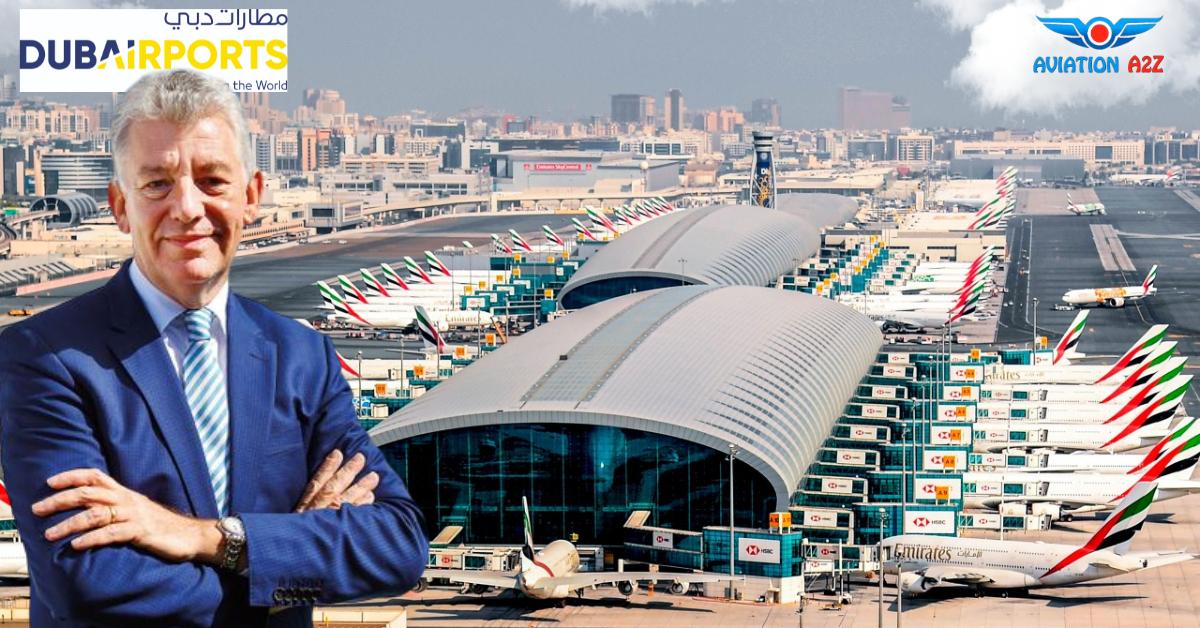
Dubai-based airlines were not included in the restriction. Emirates and flydubai can continue operating hundreds of daily flights while foreign carriers face the one-rotation-a-day ceiling.
Indian airlines stand to take the biggest hit because they had scheduled more service to DXB than any other group of foreign carriers in April and May 2026. Cirium schedules data showed Air India and Air India Express had planned over 750 flights, IndiGo 481 and SpiceJet 61.
Those figures put Indian carriers ahead of Saudia, which had 480 flights scheduled, and Gulf Air, which had 404. India also supplied 11.9 million passengers to DXB in 2025, making it the airport’s largest source market.
The restrictions extend earlier limits put in place after the Iran war began. Dubai Airports told airlines that “carriers continue to be limited to one rotation per day, until capacity allows more,” while leaving open the possibility of additional slots if space becomes available.
That operating pressure lands on Indian airlines at a time when they already face high fuel costs and Pakistan airspace bans since last year. Those bans have forced longer westbound routes.
The combination has sharpened concern in India’s aviation industry because Dubai is one of the busiest international markets for Indian carriers. The one-flight daily limit compresses access to a market that had been scheduled at much higher levels for the summer season.
IndiGo said the restriction “significantly constrained” its approved summer schedule of 15 daily flights from India to Dubai. That comment offered one of the clearest signals yet of how far actual operations could diverge from planned capacity under the Dubai Airports order.
The Federation of Indian Airlines, which represents IndiGo, Air India and SpiceJet, escalated the issue days after the March 27 email. In a letter dated March 31, 2026, the group asked India’s Ministry of Civil Aviation to intervene with Dubai authorities and seek the lifting of the curbs for Indian carriers.
FIA warned that the restrictions would cause “substantial revenue losses,” create “anti-competitive market conditions,” and disrupt passengers. The group said Dubai should restore pre-war operations for Indian airlines.
If that relief does not come, FIA proposed reciprocal action. It asked for measures that would limit Dubai carriers’ seats so their capacity would match Indian airlines’ capacity levels.
That proposal goes to the center of the dispute. Foreign carriers based in India face a hard cap on flights to DXB and DWC, while Dubai-based airlines remain free of the same constraint.
For Indian airlines, the imbalance matters not only because of flight numbers but because of the scale of the India-Dubai travel market. India’s 11.9 million passengers to DXB in 2025 made it the largest source market for the airport, giving the route outsized weight for carriers on both sides.
The limits also arrive in the middle of a wider reshaping of air travel linked to the Iran crisis. Several international airlines have already adjusted or suspended Dubai services in response to the security environment and operating disruptions.
Philippine Airlines suspended its Manila-Dubai flights until May 31. Air France extended its Dubai suspension until May 3 and plans to resume on May 4, subject to security.
British Airways canceled Dubai flights through May 31. Lufthansa Group suspended Dubai service through at least May 31.
Those decisions show how the Iran crisis continues to affect airline schedules well beyond the Gulf. Some carriers have pulled back from Dubai entirely for weeks, while others remain in the market under tighter operating rules.
Dubai Airports’ restrictions do not apply evenly across the industry. The distinction between foreign airlines and Dubai-based airlines has become the focal point for Indian carriers, which say they are bearing the brunt of the curbs while competing against operators that are not capped in the same way.
That is especially visible in raw schedule counts. Air India and Air India Express together had planned over 750 flights to DXB in April and May 2026, making them the largest Indian presence in the market among the airlines listed in the available data.
IndiGo’s 481 scheduled flights also show how deeply the low-cost carrier had built up its Dubai operation for the season. SpiceJet, with 61 flights, had a smaller footprint but still faces the same one-flight-per-day limit.
Saudia and Gulf Air also had large schedules, at 480 and 404 respectively, but the concentration of Indian traffic to Dubai makes the effect on India particularly acute. The market size helps explain why the issue moved quickly from airline scheduling departments to an industry body and then to India’s civil aviation ministry.
For passengers, the restrictions mean fewer options on affected routes and more uncertainty over planned travel during the April 20 to May 31 period. Air India has offered flexibility measures that include rebooking or vouchers for affected Dubai flights.
That response gives customers a way to adjust travel plans as airlines work through reduced operating rights. It also reflects the practical difficulties carriers face when approved summer schedules no longer align with airport limits.
The one-round-trip rule covers both DXB and DWC, the two main airports in Dubai’s system referenced in the March 27 email. By setting the ceiling at one rotation a day per foreign airline to those airports, Dubai Airports effectively imposes a blunt limit across the period regardless of the original scale of each carrier’s schedule.
For airlines with small operations, that may still allow them to retain a daily presence. For airlines that had planned dense service, the cap forces a sharper contraction.
That gap is what has alarmed Indian carriers. Their case rests on the fact that they entered the April-May period with the highest number of scheduled flights to DXB and now face restrictions that do not apply to Emirates and flydubai.
FIA’s use of the phrase “anti-competitive market conditions” points directly to that disparity. The group argued that Indian carriers should either regain pre-war operating levels or see India respond with reciprocal capacity limits on Dubai carriers.
The dispute has also exposed how quickly an external crisis can reshape one of the region’s busiest aviation corridors. Dubai remains a central hub, but the Iran crisis has altered who can fly, how often they can operate and which airlines can maintain scale.
Indian airlines are also contending with other costs of disruption beyond Dubai. High fuel prices and longer westbound routings caused by Pakistan airspace bans since last year have already added pressure to operations.
With those burdens in place, the Dubai cap creates another constraint at a market that Indian airlines had targeted heavily for the summer season. The result is a squeeze on frequency, capacity and revenue in a route network where demand from India has long been strong.
Dubai Airports has left open the possibility of additional slots if available, but its current message to airlines is clear. “carriers continue to be limited to one rotation per day, until capacity allows more.”
Until that changes, the imbalance identified by Indian carriers will remain in place through May 31. For a market that carried 11.9 million passengers from India to DXB in 2025, the restrictions tie one of the world’s busiest international links to the pressures of the Iran crisis.