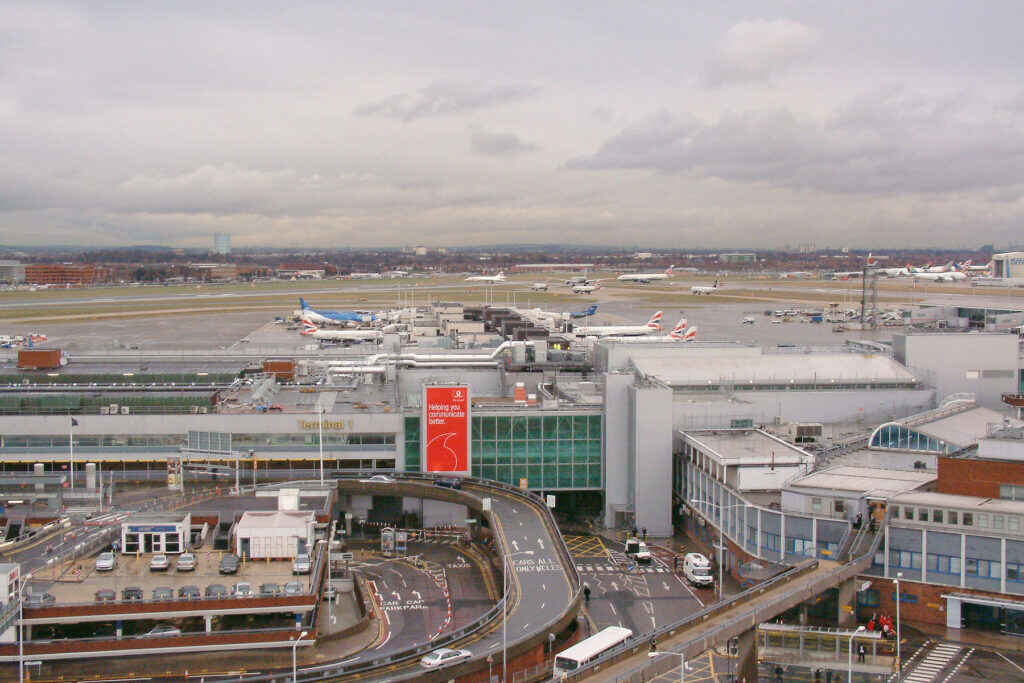
- Homeland Security is considering halting international processing at airports located in sanctuary cities.
- The move would affect all travelers, including U.S. citizens, visa holders, and international cargo operations.
- Major hubs like LAX and SFO could face significant flight rerouting and travel delays.
(CALIFORNIA) — Homeland Security Secretary Markwayne Mullin said this week the administration is considering whether to stop processing international travelers at airports in so-called “sanctuary cities,” opening a new front in a federal clash with California over immigration enforcement.
Mullin also said no final decision has been made. He described the idea as “an option,” leaving the proposal in discussion rather than as an announced operational change.
Any DHS move to pull back CBP processing at major California airports would reach far beyond immigration politics. It would affect the federal inspections required for people arriving on international flights, including visa holders, lawful permanent residents, tourists, students, workers and U.S. citizens returning from abroad.
U.S. Customs and Border Protection says all persons arriving at a U.S. port of entry are subject to inspection by CBP officers. That inspection is the legal and operational step that allows travelers to enter after landing from overseas.
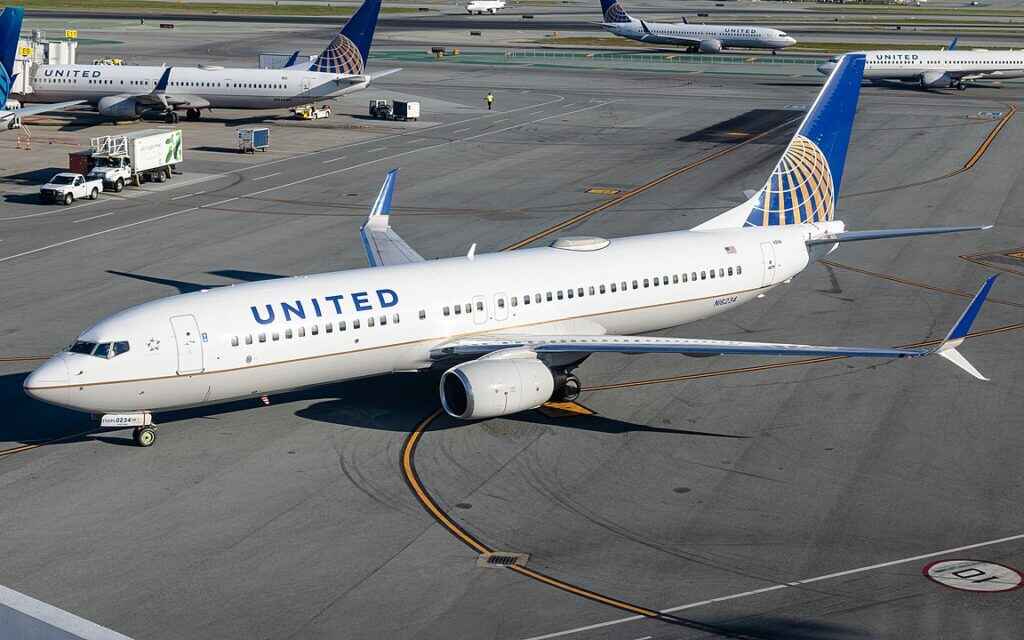
Without that capacity at a major airport, disruption would spread quickly. Airlines could face rerouting, missed connections, canceled itineraries or diversions to other airports where CBP processing remains available.
California sits at the center of the debate because the Justice Department has placed both the State of California and multiple California jurisdictions on its sanctuary-jurisdiction list, including Los Angeles, San Francisco City, San Diego County, and San Francisco County. The possible CBP Pullback would land in a state already at odds with Washington over how much local cooperation federal immigration authorities can demand.
State law adds to that conflict. California’s SB 54, often called the California Values Act, limits how state and local law enforcement may assist federal immigration enforcement, including by restricting the use of local personnel and resources for immigration purposes and barring local agencies from performing the functions of an immigration officer.
That legal fight did not begin at an airport terminal. But if DHS turns the dispute into an airport inspection issue, travelers would be among the first to feel it.
The scale of California’s air traffic shows why the proposal has drawn attention. Los Angeles International Airport handled 73.7 million passengers in calendar year 2025, and LAX’s FY 2025 annual report says 31.7% of its passenger traffic was international.
San Francisco International Airport handled 54.1 million passengers in FY 2025 and offered nonstop service to 58 international destination airports. San Diego International Airport set a 2025 record with 25.32 million passengers, and the airport says it welcomes more than 400,000 international arriving passengers annually.
A withdrawal of CBP officers from even one of those gateways would not be a small administrative shift. It would interrupt entry processing at airports that anchor California’s overseas travel network.
For travelers abroad, a visa alone would not solve the problem. A valid visa does not eliminate the inspection requirement when a passenger arrives in the United States.
Students could face some of the sharpest effects. F-1 travelers often move on fixed academic calendars, and orientation dates, reporting requirements and campus deadlines can leave little room for delay.
Workers could face similar pressure. H-1B professionals, employment-based immigrants and exchange participants often travel on schedules tied to reporting obligations, employer timelines or start dates that cannot move easily.
Visitors would also feel the strain. B-1/B-2 travelers, tourists and families heading to reunions or urgent events could find themselves shifted onto alternate routings or stranded between flight changes.
Lawful permanent residents would not be exempt from the airport disruption. CBP inspection applies to all arriving travelers, not just foreign nationals seeking first-time admission.
That means a green card holder returning home from an overseas trip could run into the same operational bottleneck as a student or temporary worker if an airport loses international arrival-processing capacity. The immigration consequences differ by status, but the travel disruption can still be wide.
U.S. citizens would also pass through the same inspection system. A policy aimed at sanctuary cities could therefore affect ordinary American travelers booking flights back into California from international destinations.
The disruption would not stop with passengers. San Francisco International Airport’s FY 2025 cargo volume totaled 541,998 metric tons, with international cargo accounting for 368,582 metric tons.
Those figures point to a second layer of impact if CBP processing changed. Supply chains, time-sensitive shipments and airport-linked jobs could all come under pressure if international traffic were rerouted or delayed.
For employers, the issue runs on two tracks at once. Businesses could lose travel predictability for incoming staff while also dealing with cargo interruptions that reach beyond immigration matters.
Airports are not only transportation hubs. They are also entry points for commerce, and any interruption at the inspection stage can spread through booking systems, freight schedules and local payrolls.
One operational detail could soften the blow on some routes, though not most of them. CBP’s preclearance program allows travelers at certain foreign airports to be inspected before boarding U.S.-bound flights.
On those routes, passengers complete inspection overseas rather than after landing in the United States. That could leave some flights less exposed than standard international arrivals if DHS changes airport processing arrangements.
Still, preclearance would not solve the broader problem for California’s international traffic. Most overseas arrivals into the state do not rely on that setup, and airlines would still face uncertainty if federal processing shifted at destination airports.
Universities and employers would likely have to react quickly if the proposal moves forward. Students arriving for new terms, exchange programs or research assignments could miss orientation windows, while workers could lose days to rebooking or unplanned transfers through other cities.
Families would face their own calculations. A trip tied to a wedding, funeral, medical need or school move can unravel fast when an international arrival point changes after tickets are booked.
For now, DHS has not announced that California airports will stop handling international arrivals. Mullin’s comments left the idea in the category of an option under discussion, not a decision already in force.
That distinction matters for travelers planning near-term trips. People do not need to assume California gateways are shutting down for international arrivals immediately.
But the proposal is serious enough that travelers with little room for delay may want to build more flexibility into their plans. Keeping reservations flexible where possible, monitoring airline alerts and avoiding very tight domestic connections after arrival could reduce some risk if conditions change.
Documentation matters as well. Travelers should carry full immigration paperwork rather than relying only on app screenshots, especially when a trip involves a visa, permanent residence or another status that may need to be verified on arrival.
Students and workers with travel in the next few weeks may also want to alert schools or employers before departure. Early notice can matter if rerouting or delays affect reporting dates.
The broader fight behind the proposal concerns sanctuary cities and state limits on cooperation with federal immigration enforcement. Yet the first effects of any DHS shift would likely emerge not in a courtroom or at a border fence, but inside terminals where passengers line up for inspection after long-haul flights.
That is part of a wider change in how immigration enforcement touches daily life. Rules once seen mainly through visa filings, border crossings or removal cases now reach into the systems travelers use to study, work, visit family and return home.
California’s airports show how quickly that reach could expand. LAX, SFO and SAN handle tens of millions of passengers, connect the state to dozens of international destinations and support trade as well as tourism.
If DHS carries out a CBP Pullback tied to sanctuary cities, the policy fight would move straight into travel infrastructure used by people with no role in the underlying dispute. The first sign of change could be simple and immediate: an international traveler landing in California and finding the usual path into the United States no longer works.