- ICE personnel are departing Philadelphia International Airport as TSA staffing levels return to normal following the shutdown.
- The agents provided non-enforcement support at checkpoints, assisting with line management and passenger reminders during shortages.
- TSA officers have begun receiving back pay, though a permanent federal funding agreement remains unresolved for 2026.
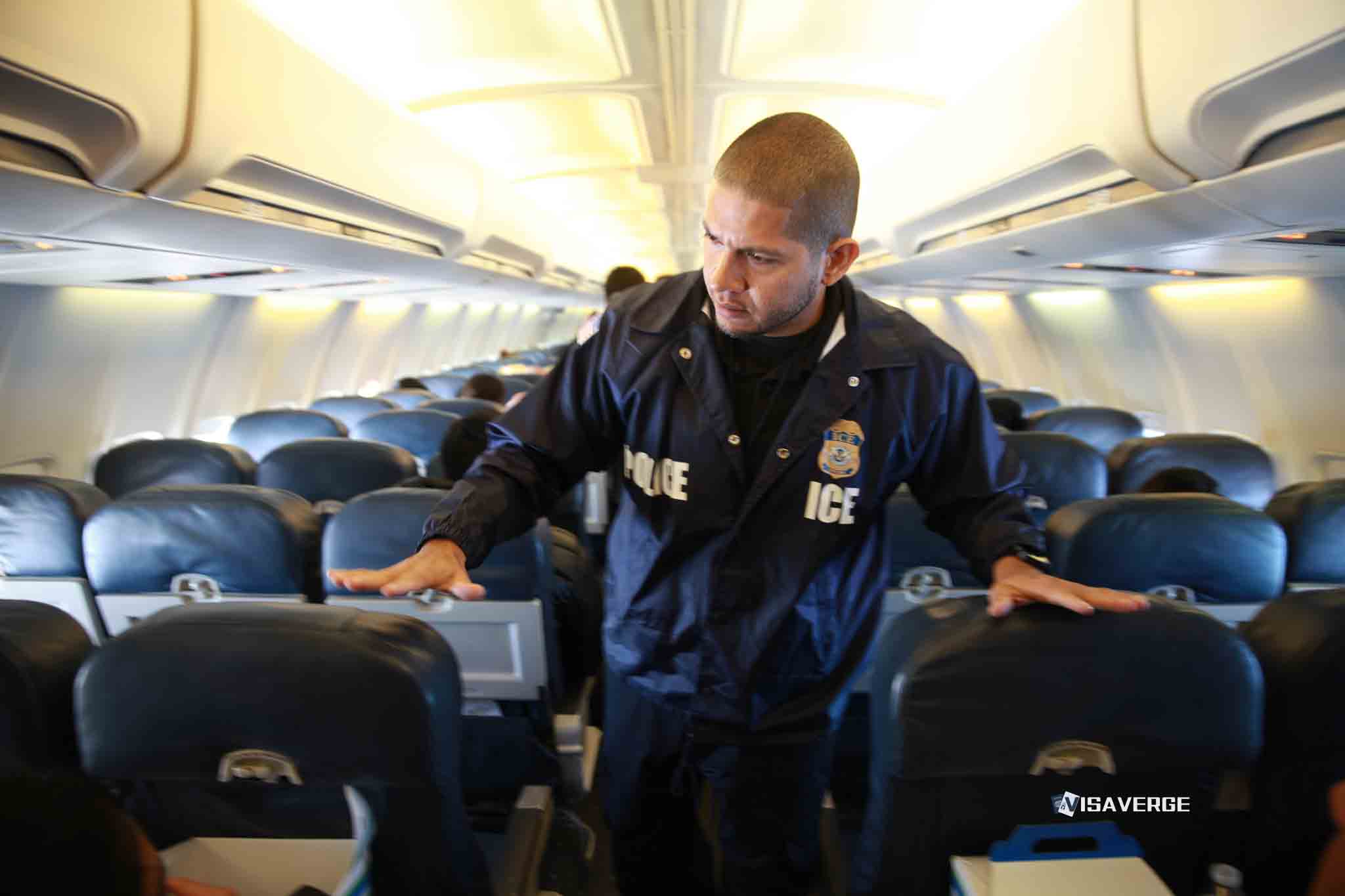
(PHILADELPHIA, PENNSYLVANIA) — ICE agents are leaving Philadelphia International Airport today after federal officials restored TSA staffing levels and reopened checkpoints and terminals that had been affected during a partial government shutdown.
Tracy Borda, interim CEO of Philadelphia International Airport, announced the departure during a Philadelphia City Council budget hearing on Wednesday. The agents had been sent to PHL and 13 other airports last month by the Trump administration.
Their deployment came during a TSA staffing shortage tied to the partial government shutdown. Airport officials said the agents are no longer needed now that all TSA checkpoints and terminals are operational.
Borda described the ICE deployment as professional and helpful. She said the agents assisted with checkpoint lines and reminders, but did not take on a law enforcement role or wear masks.
Philadelphia “really had no issues” during the period when ICE agents were present, Borda said. She also said there were “no material impacts” from the three security checkpoints that had been closed during the shutdown.
The move puts a close, for now, to an unusual stretch at Philadelphia International Airport, where ICE agents stepped into a public-facing support role during a TSA staffing shortage. Their presence drew attention because it linked airport screening operations to the wider strain created by the shutdown.
Federal officials deployed the agents as airports dealt with staffing gaps during the shutdown period. At PHL, the response centered on keeping passenger movement orderly while the airport managed reduced screening capacity.
Borda’s comments indicated that the ICE agents worked around the security process rather than inside it. Their tasks involved assisting with checkpoint lines and reminding travelers, not carrying out enforcement duties.
That distinction mattered as airport leaders tried to explain the arrangement to the public. It also became part of the local reaction, with supporters of federal workers focusing on the shutdown’s effect on TSA staff rather than on any broader immigration enforcement role.
The departure coincides with a change in pay for TSA officers. They began receiving back pay on Monday morning after President Trump issued an executive order directing DHS to pay workers who had not received paychecks during the shutdown.
That order addressed one of the immediate pressures on airport screening operations. But it did not settle the larger funding dispute, and Congress still has not reached a deal on permanent DHS funding.
That leaves the longer-term picture unsettled even as operations at Philadelphia International Airport return to normal. ICE agents are leaving, but the questions that brought them to the airport have not fully gone away.
Those questions center on staffing and funding. During the shutdown, the TSA staffing shortage forced airports to adjust, and in some places that meant closed checkpoints and changes in passenger flow.
At PHL, three security checkpoints had been closed during the shutdown. Borda said the airport saw “no material impacts” from those closures, even with the changes in how passengers moved through the terminals.
Her assessment suggested airport operations held up better than some had feared. It also framed the ICE deployment as a temporary support measure rather than a sign of breakdown in screening functions.
Still, the presence of ICE agents at one of the region’s busiest travel hubs prompted protests from labor leaders and local lawmakers. Their criticism focused on the federal government’s handling of the shutdown and the decision to rely on ICE personnel while TSA workers went unpaid.
Rosslyn Wuchinich, president of UNITE HERE Local 247, called for ICE to leave and demanded that Congress pay TSA workers immediately. The protests added a labor dimension to what airport leaders described as an operational response.
That reaction reflected a broader dispute over how the government should handle airport security during funding lapses. For labor leaders, the issue was not simply whether lines moved or terminals stayed open, but why a shutdown had left airports searching for stopgap staffing in the first place.
At Philadelphia International Airport, Borda’s account pointed to a limited, visible role for the ICE agents. She said they helped with checkpoint lines and reminders, and she emphasized that they were not acting in a law enforcement capacity.
That description also addressed public concerns about how travelers might experience the added federal presence. Borda said the agents did not wear masks, another detail she used to characterize the deployment as straightforward and professional.
The agents’ exit marks the end of a short-term arrangement created by the shutdown. It also returns attention to the TSA workforce itself, whose staffing levels remain central to airport operations.
Passenger screening depends on having enough TSA officers at enough checkpoints to keep lines moving and terminals fully functional. When staffing falls, airports can face checkpoint closures and longer waits, even if local leaders say the overall impact remains manageable.
That dynamic became clear during the recent TSA staffing shortage. The deployment of ICE agents to PHL and 13 other airports showed how quickly federal agencies can be asked to fill gaps when normal staffing patterns break down.
Now, with back pay arriving and checkpoint operations restored, Philadelphia no longer needs that support. Borda’s remarks made clear that airport leadership sees the present moment as a return to standard operations rather than a new model for handling security lines.
Even so, the funding dispute in Washington remains unresolved. Congress has not reached a deal on permanent DHS funding, leaving open the possibility that airport staffing questions could reappear if the department faces renewed pressure.
That uncertainty matters beyond Philadelphia. The same shutdown that contributed to the TSA staffing shortage at PHL also led the administration to deploy ICE agents to airports around the country.
For travelers in Philadelphia, the most immediate change is simpler. The extra federal personnel who had been helping manage lines at checkpoints are leaving as the airport resumes operations with restored TSA staffing.
The episode also leaves behind a record of how airport management, federal agencies and labor groups responded under strain. Borda said Philadelphia “really had no issues,” while labor leaders argued the answer should have been to pay TSA workers without delay, not to depend on ICE agents.
Those two views captured the balance at the center of the debate. Airport officials focused on continuity and day-to-day function, while unions and local lawmakers focused on the shutdown’s toll on workers and the choices made to keep airports running.
For now, Philadelphia International Airport is moving past the immediate disruption. ICE agents are departing, checkpoints and terminals are operating, and TSA officers have begun receiving back pay.
What remains is the unresolved question that shadowed the entire episode: whether Congress will reach a permanent DHS funding deal before another TSA staffing shortage forces airports to improvise again.