- The NTSB classified a tail strike involving United Airlines flight UA2136 as a formal accident investigation.
- The Boeing 737-924ER suffered substantial structural damage during its landing at Las Vegas-Harry Reid International Airport.
- None of the 154 occupants reported injuries following the July 2025 occurrence now under Class 4 review.
(LAS VEGAS, NEVADA) — NTSB has classified a United Airlines tail strike in Las Vegas as an accident and opened a Class 4 investigation into flight UA2136, setting a document-driven review that can take months or longer to mature into public findings.
NTSB announced the accident classification on February 22, 2026, a step that places the July 2, 2025 event into the agency’s formal investigative process and signals that investigators will collect records, interviews, and technical information.
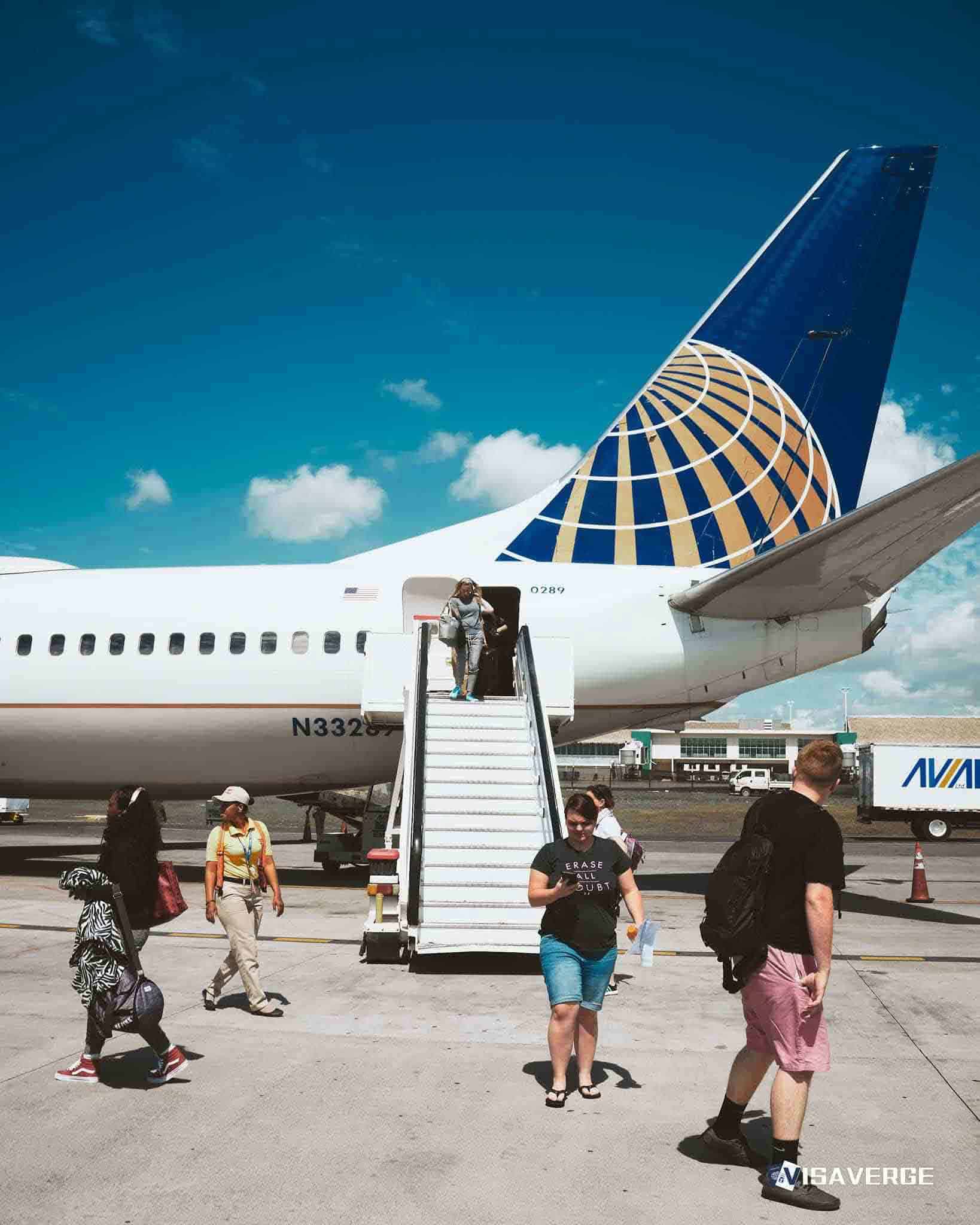
Class 4 cases typically involve limited on-scene activity compared with major investigations, with much of the work occurring through submissions from the operator, manufacturers, and regulators. Early public updates can be sparse. That is common.
⚠️ Note: Preliminary findings are not expected immediately; readers should anticipate docket materials and regulatory communications as the investigation progresses
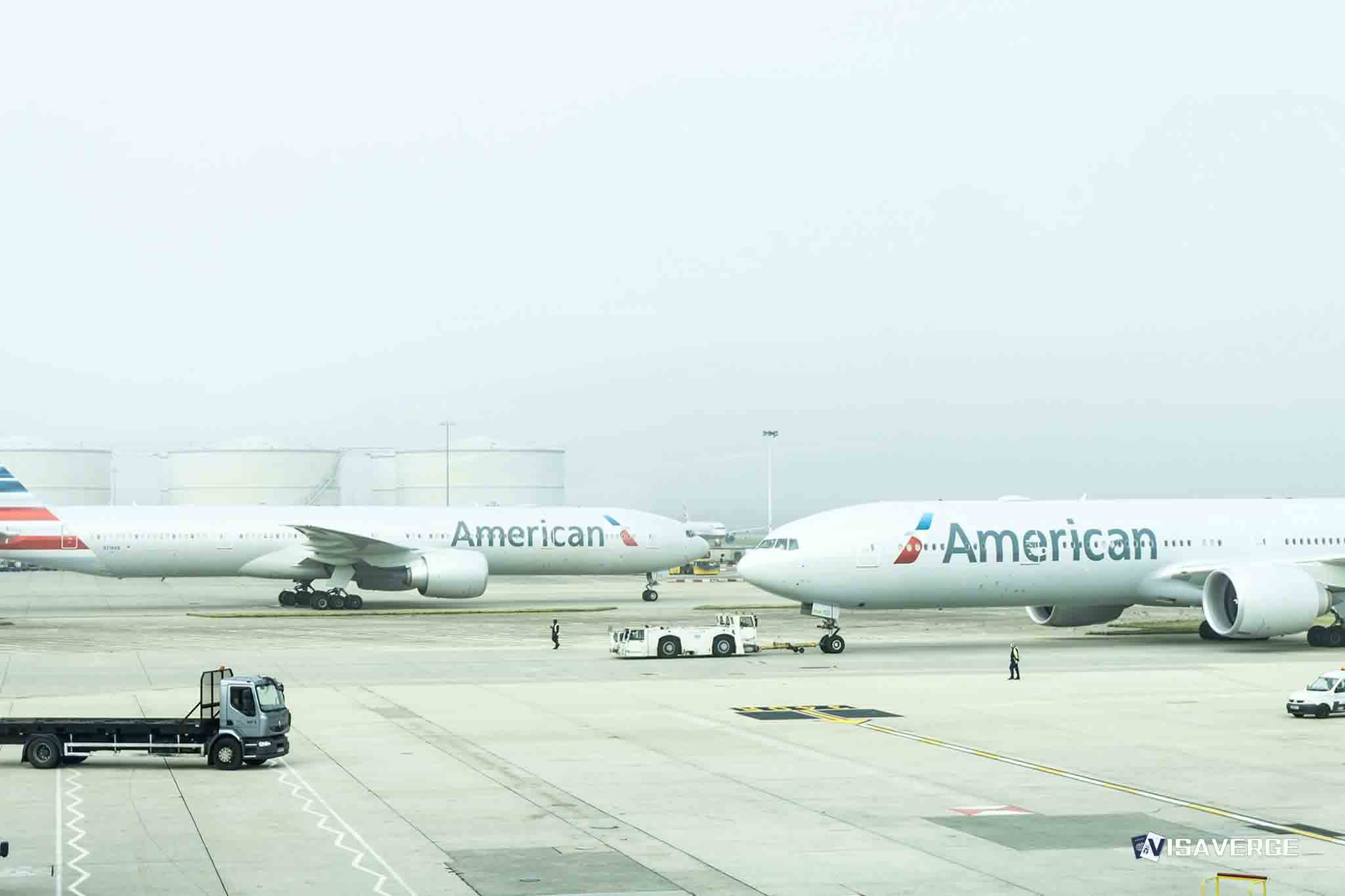
United Airlines flight UA2136 struck its tail while landing on runway 26L at Las Vegas-Harry Reid International Airport (LAS) on July 2, 2025 at 07:22 UTC, according to the case information. The aircraft carried 154 occupants, and no injuries were reported.
Tail strikes are treated seriously because they can involve structural contact to the aft fuselage and related components, and they often trigger detailed inspections before an aircraft returns to service. Operators may remove the aircraft from service, swap equipment, or delay subsequent flights while maintenance teams assess damage.
Investigators generally focus on what happened in the landing sequence and what the aircraft recorded, without presuming why the contact occurred. For passengers, the immediate practical effect is often operational: delays, cancellations, or aircraft changes if inspections are required.
The aircraft was a Boeing 737-924ER (WL) with aircraft registration N66831, powered by CFMI CFM56-7B engines. NTSB listed the damage as substantial.
Registration matters because it ties the event to a specific aircraft’s maintenance and inspection history, including any repairs and return-to-service actions following the occurrence. Manufacture year can also help frame the configuration and service bulletins applicable to that airframe, though it does not indicate fault.
United Airlines operated the flight from Washington-Dulles International Airport (IAD) to Las Vegas. Tail strikes most commonly occur during takeoff or landing, when pitch attitude changes rapidly and clearance margins can narrow.
On landing, investigators often examine the approach and flare profile, touchdown point, and aircraft attitude trends, along with crew procedures and any automated system modes recorded. Those concepts inform what data is requested and how it is reviewed, not a conclusion.
| Item | Details | Relevance |
|---|---|---|
| Flight | United Airlines UA2136 | Identifies the operation tied to the investigation record |
| Location | Las Vegas-Harry Reid International Airport (LAS) | Specifies the airport environment and runway system |
| Runway | 26L | Fixes the event to a particular runway and associated data |
| Date/time | July 2, 2025 at 07:22 UTC | Anchors the occurrence for radar, weather, and aircraft data pulls |
| Aircraft | Boeing 737-924ER (WL) | Establishes the model and design/handling context |
| Aircraft registration | N66831 | Links to maintenance history and operator records |
| Engines | CFMI CFM56-7B engines | Defines the propulsion installation for technical documentation |
| Occupants | 154 occupants | Confirms the onboard count for the occurrence record |
| Injuries | None reported | Immediate safety outcome as recorded |
| NTSB action | Accident classification; Class 4 investigation on February 22, 2026 | Describes the procedural posture and expected scope |
| Status date | No preliminary findings or final report as of February 23, 2026 | Sets expectations for what has not been released |
NTSB’s accident classification does not, by itself, assign blame. It starts a standardized process that can lead to published docket materials, analysis, and an eventual probable cause statement in a final report.
For Class 4 investigations, the public may first see incremental additions to the docket rather than a narrative report. Items can include factual reports, maintenance and inspection documentation, flight history, and correspondence.
Timing varies widely. A lack of preliminary findings early in the process is routine, particularly when the agency is gathering records and validating technical information.
A previous tail strike often cited in training and safety discussions occurred in 1990, when an America West Boeing 737-300, aircraft registration N306AW, struck its tail during takeoff from Santa Ana (SNA) en route to LAS. In that event, investigators examined rotation technique and reported a rotation rate exceeding 7°/sec compared with a manual limit of 3°/sec, and 110 occupants were uninjured.
That 1990 case can help explain how tail strikes are analyzed, including how pitch changes and technique can matter operationally. Similar event types, however, do not mean the same cause, and investigators generally avoid drawing direct lines between separate accidents.
FAA statements sometimes reference other events in the Las Vegas area without addressing this NTSB probe. One example is an FAA-referenced incident involving British Airways tire loss on January 26, 2026, which does not itself speak to UA2136.
As of February 23, 2026, NTSB had not released preliminary findings, a probable cause statement, or a final report for UA2136. Readers should expect the next public signals to come through NTSB docket postings or brief agency updates, along with any operator communications tied to maintenance and scheduling.
United Airlines and other carriers may take maintenance actions while an investigation proceeds, including inspections, repairs, and documentation updates. Those steps can affect aircraft availability and, in some cases, lead to schedule adjustments.
Passengers impacted by a disruption connected to an incident like a tail strike often face rebooking, delays, or cancellations. In many cases, refund eligibility or reimbursement depends on the fare rules, the reason for the disruption as communicated by the carrier, and applicable consumer protection regimes.
Travelers typically start by checking the airline’s written notifications and rebooking options, then keeping receipts for reasonable expenses if the carrier requests documentation. Complaint channels may also exist through U.S. Department of Transportation resources on dot.gov, depending on the circumstances.
✅ If you were a passenger affected by this flight or similar disruptions, monitor carrier communications and NTSB docket pages for updates on timelines and potential remedies
NTSB’s next meaningful public milestone is usually the gradual release of docket materials, followed later by analysis and a final report that states probable cause. Until those appear, the key confirmed points remain the accident classification, the Class 4 scope, and the recorded facts of the LAS tail strike involving UA2136.
This information is for general awareness and should not be considered legal advice.
Consult official NTSB docket pages and carrier communications for the most current, authoritative details.