Key Takeaways
• SAVE Act requires documentary proof of U.S. citizenship for every federal voter registration or update without transition period.
• Senator Andy Kim opposes SAVE Act, arguing it creates obstacles for millions lacking easy access to required documents.
• No federal funds are provided to states for implementing SAVE Act, raising concerns over cost and administrative burden.
New Jersey Senator Andy Kim has openly opposed the SAVE Act, a bill that would require people to provide documentary proof of U.S. citizenship whenever they want to register to vote in federal elections. This simple rule could have a sweeping effect on how people across the United States 🇺🇸 get to cast their ballots. As the proposed law heads back to the House for a new vote, the debate is not just about voting rules, but also about who may be left out or find themselves struggling with added paperwork.
The SAVE Act, officially known as the Safeguard American Voter Eligibility Act (H.R.22), was designed by Republican lawmakers who say it is necessary to secure America’s voting system. They argue that asking for proof of citizenship—the same way people are asked for documents in situations like getting a driver’s license or a job—will keep federal elections fair and safe. The bill says that when a person fills out a voter registration form, they must include something that proves they are a U.S. citizen. Examples of this documentary proof of U.S. citizenship include a passport, a United States 🇺🇸 birth certificate, or other accepted papers.
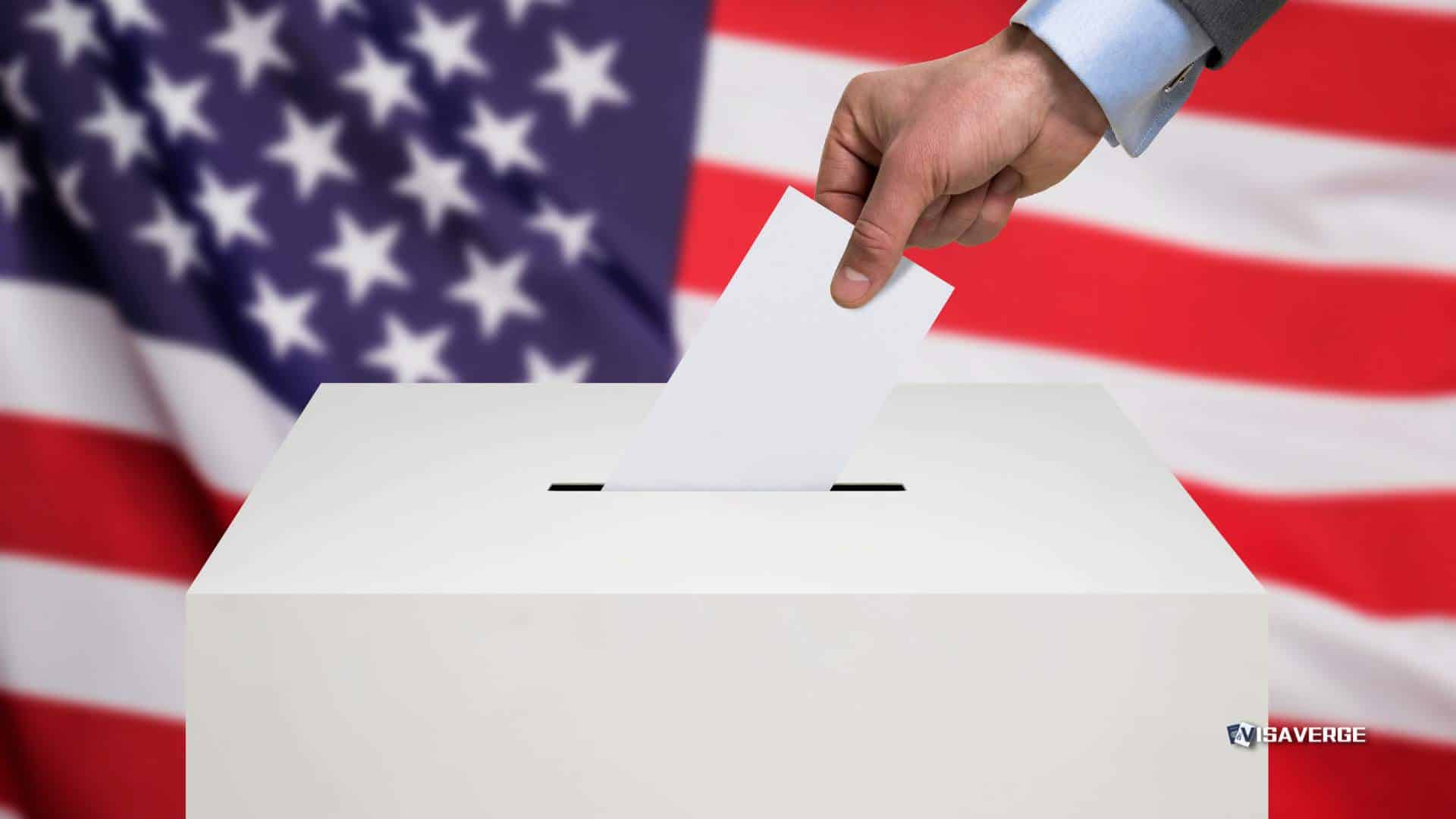
New Jersey Senator Andy Kim has strongly disagreed with this idea. In April 2025, he made his position clear, saying, “I am a firm no on the SAVE Act and will [oppose it].” Senator Kim’s stand comes from his years of supporting broader voting rights. He was a member of the Congressional Progressive Caucus, which often speaks out in favor of making voting easier, not harder.
The SAVE Act and What It Means
If the SAVE Act becomes law, it will create changes that touch nearly every step of the voter registration process. Here’s what’s important for you to know:
- The law takes effect right away—states do not get a long period to prepare.
- Every new registration would require documentary proof of U.S. citizenship. If you don’t have the documents when you sign up, your application is denied.
- Even if you’re already registered to vote, if you move to a new state, change your last name, or update your registration, you’d need to show documentary proof again.
- Acceptable documents include a U.S. passport or birth certificate.
As reported by VisaVerge.com, this law would not allow for slow, phased changes. Everyone who wants to register to vote—or update their information—would have to meet the new rules the moment it takes effect.
Possible Effects on Voters
Critics, including Senator Kim, say this change could turn a simple process into a serious obstacle for many citizens. Millions of Americans do not have easy access to their birth certificate, passport, or other official proof. Some people were never issued a birth certificate, while others lost it or never needed a passport. Here are just a few groups who could struggle:
- Married women who changed their last name after marriage. Some reports say up to 69 million women could be affected, needing multiple documents to match their legal identity with their new name.
- Adopted people, especially those adopted from other countries. They might have trouble getting some of the official paperwork needed.
- Working-class or lower-income Americans who do not have the extra money or time to request new documents, especially since getting replacements can take weeks and cost more than some people can afford.
So, requiring documentary proof of U.S. citizenship could block these groups from registering or updating their records, even if they are full citizens. The process of obtaining a lost birth certificate, for example, often means working with a government office, sending in an application, waiting for weeks, and paying sometimes high fees. Not everyone has the ability to do this easily.
A Solution for a “Rare” Problem?
One of the strongest arguments from opponents is that there is not much proof of the problem the SAVE Act says it is solving. The law’s supporters say it is needed because they worry about non-citizens voting. But, under current federal law, it is already illegal for a non-citizen to vote in federal elections. If a non-citizen tries, they face severe punishment like being charged with a felony or being deported.
Research shows that non-citizen voting rarely happens. Most cases where people voted without being citizens turned out to be errors, not attempts to break the law. Many critics say these rare cases do not justify making voting harder for everyone else.
No Extra Money for States
There’s another issue that worries those who do not like the bill. The SAVE Act asks states to do a lot more work to check paperwork, update systems, and even train workers, but it does not give them extra funding. If this law passes, states must pay the bill and figure out how to make everything work—fast.
Many states are already struggling with budget problems after the pandemic. Adding new rules means hiring and training staff, printing new forms, improving computer systems, and sometimes helping citizens hunt down documents. For states that do not have the money or staff to handle these extra steps, this law would be a big challenge.
Wider Context: A Trend in 2025
The SAVE Act is one of a much larger group of new laws and proposed laws about voter ID and citizenship in America. In 2025 alone, more than 160 bills have been introduced in state legislatures on this very topic. This shows how the conversation about voting rights and citizenship proof is spreading fast in many parts of the country.
However, the SAVE Act stands out because it would affect every state by federal law, not just those states that choose to pass stricter rules on their own. The idea is spreading, and if it passes, it could set a standard for others to follow—even without a state-level law.
What Happens Next?
The SAVE Act passed the House earlier, but did not get enough support to pass in the Senate the first time. It is back for another vote soon, but even now, it is expected to face an uphill battle in the Senate. Republicans do not have enough votes to avoid a filibuster—a rule that allows a small number of senators to block a vote if they do not agree. This means that unless lawmakers change their minds, the bill could stall again.
Senator Kim and the Political Debate
Senator Andy Kim’s stance is part of his larger approach to politics. Only weeks before his comments on the SAVE Act, he spoke during a long voting session in the Senate—also called a “marathon voting session”—where he voted against budget plans by Republicans. He called these plans “dangerous” because they would cut programs he said are important for American families.
Kim’s disagreement with the SAVE Act fits with his steady support for voting rights. Throughout his time in Congress, both in the House and now in the Senate, he has pushed for laws that make voting easier instead of harder. For example, he has joined other lawmakers who argue against rules that could take away the right to vote from people who are legally allowed to vote.
Competing Views
The SAVE Act has support from those who say America needs stronger proof to make sure only citizens vote. They believe that keeping elections secure protects the value of each person’s vote. But, many say lawmakers must also protect the right of every eligible citizen to take part in the electoral process.
On the other hand, opponents like Senator Kim warn that the SAVE Act would hurt honest people more than it would solve any problem. They point to large numbers of people—women who changed their name, adoptees, those without spare money—who could be caught in the middle. Without clear proof that non-citizen voting is a large problem, these critics question why so much focus is put on adding hurdles.
For some, it is a debate over facts and fairness. For others, it is a question of how much trust to put in voters as they are now.
Practical Problems: Real-Life Stories
If the bill becomes law, millions might have to track down lost paperwork. Mothers and fathers who have never needed a passport or a certified birth certificate might have to order them for the first time in their lives. The cost is not just money, but also time—time off work, waiting in line, or trying to fix paperwork issues caused by something as simple as a name change after marriage.
Even adopted people face unique troubles. Those adopted from other countries sometimes never got a U.S. birth certificate or naturalization paper, even after living here for decades. The new rules could mean these citizens have no way to simply show proof when they sign a voter form.
Lower-Income Impact
For working-class people, getting a copy of documents can be more than just a hassle. If your job does not allow time off, or if the closest government office is hours away, it can quickly become impossible. For those struggling to pay bills, a small fee for a birth certificate is still an extra burden. These day-to-day realities are what Senator Kim and others say make this bill more damaging than helpful.
The National Debate
With more than 160 similar state-level bills popping up, it is clear the national conversation is not going away. Supporters and critics are both deeply committed to their side. Some lawmakers push for stricter rules to protect against what they see as threats to election integrity. Others fight to remove every barrier so voting is as simple and open as possible.
For more detailed information about the official process for proving your U.S. citizenship when registering to vote, you can visit the United States 🇺🇸 Citizenship and Immigration Services (USCIS) page that discusses documentary requirements for proof of citizenship.
What Should Voters Do?
If you are worried about whether you have the right documents, experts suggest checking what papers you already have and what you might need in the future. This could mean applying early for a replacement birth certificate or keeping your passport up to date. Each state still has its own voter registration process, so it is good to check with your local election office early.
Conclusion
The SAVE Act, with its firm rules on documentary proof of U.S. citizenship, has become a flashpoint for the larger debate between election security and open access to voting. As it stands, New Jersey Senator Andy Kim continues to voice his opposition, saying the act will leave too many American citizens behind. The Senate’s decision in the upcoming vote will decide if this approach moves forward or stops once again. For now, millions are watching to see if their next trip to the polls will require more paperwork, longer waits, or even a fight just to prove they are allowed to vote.
Learn Today
SAVE Act → The Safeguard American Voter Eligibility Act, a bill requiring documentary proof of U.S. citizenship to register for federal elections.
Documentary Proof of U.S. Citizenship → Official papers such as a U.S. passport, birth certificate, or naturalization document needed to prove citizenship status.
Filibuster → A Senate procedure allowing a minority of senators to delay or block legislative action by preventing a final vote.
Congressional Progressive Caucus → A group of U.S. lawmakers focused on advancing progressive causes, including voting rights and social justice legislation.
Voter Registration → The legal process by which eligible citizens sign up to vote in federal, state, or local elections.
This Article in a Nutshell
The SAVE Act would change U.S. federal voter registration by mandating documentary proof of citizenship, creating immediate barriers for millions. Senator Andy Kim opposes it, citing concerns that working-class Americans and others could be disenfranchised. Critics also note the lack of evidence for widespread non-citizen voting problems.
— By VisaVerge.com
Read more:
• Dual Citizenship Now Allowed Between US and Germany Under New Law
• Trump Administration faces lawsuit over citizenship assistance cuts
• Supreme Court to Review Trump’s Order on Birthright Citizenship
• Swedish citizenship waiting times expected to rise even further
• Irish citizenship: How your ancestry could open doors to Ireland