- USCIS processing times extend into 2026 due to staffing cuts, vetting rules, and significant fee increases.
- Form I-751 now takes over 21 months, while family-based I-130 petitions range from 12 to 18 months.
- Premium processing fees increased to $2,965 for most employment cases as of March 1, 2026.
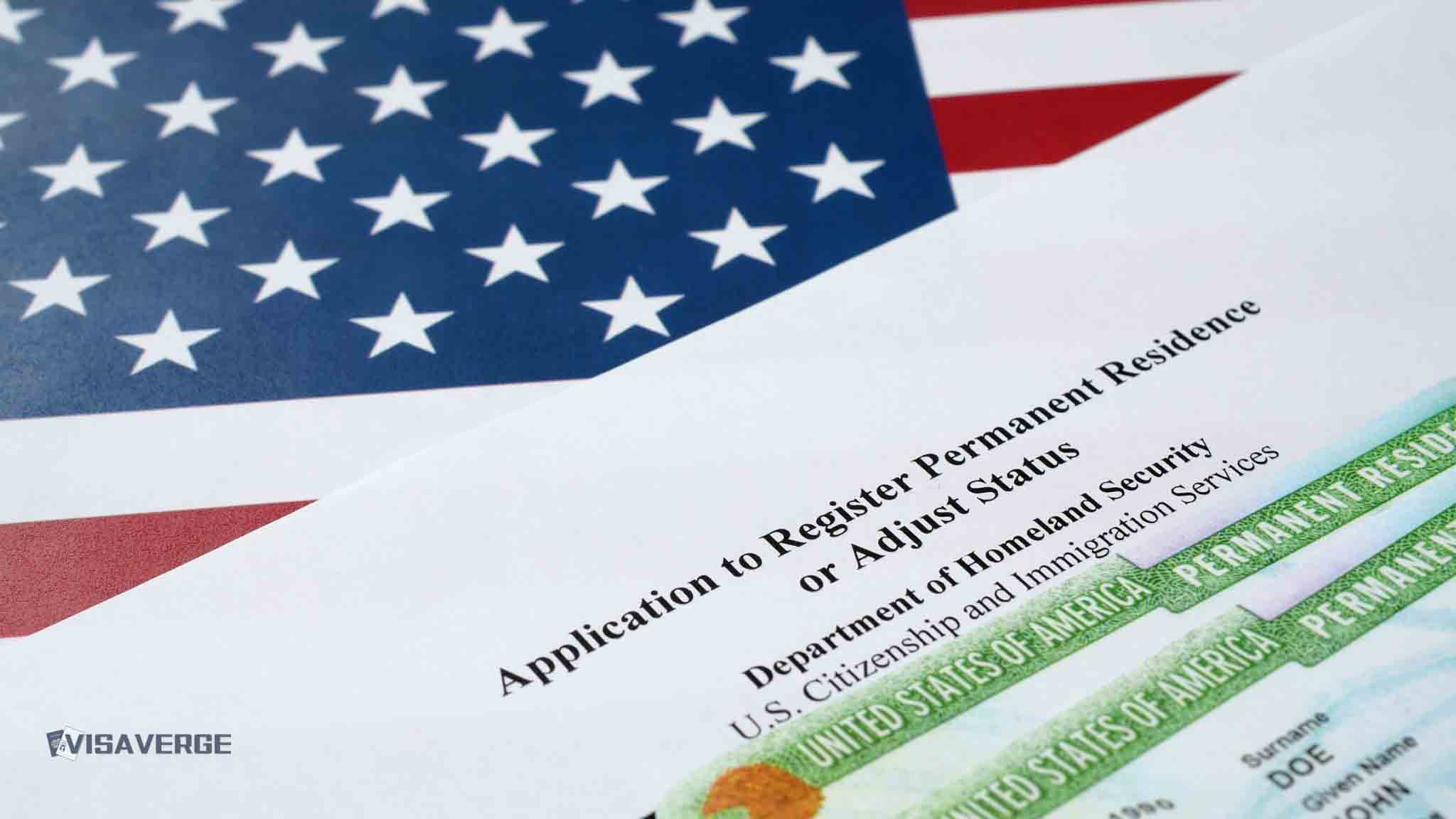
USCIS processing times remain stretched into 2026, with some forms now taking many months and certain cases facing open-ended waits. The delays affect families, employers, students, and asylum seekers, and they are being driven by staffing cuts, new vetting rules, and higher fees.

For many applicants, the slowest part is no longer the form itself. It is the system around it. As of March 2026, Form I-751 takes 21.4 months, Form I-130 takes 12 to 18 months, and Form I-485 ranges from 8 to 14 months. Form I-765 remains faster at 1.9 months, but even that timeline creates stress when work authorization is tied to rent, paychecks, and childcare.
Staffing Cuts and Federal Capacity
The sharpest pressure comes from federal workforce reductions. In January 2025, the Trump administration imposed a hiring freeze and a 1-for-4 hiring ratio across agencies. More than 23,000 federal positions were cut in the first nine months of the administration’s tenure. USCIS was not the enforcement arm, but it was trapped in the same shrinking federal labor pool.
Experienced staff left, replacement hiring slowed, and backlogs grew. The government has started to reverse course in early 2026, lifting the freeze and moving to Strategic Hiring Committees for mission-critical jobs. That shift helps, but it does not erase a year of lost capacity.
Other agencies show the same pattern. CISA lost nearly 40 percent of its workforce, the Department of Veterans Affairs saw a 50 percent drop in job applications, and the Social Security Administration lost about 7,000 employees. USCIS now works inside that constrained federal environment.
Premium Processing and Higher Fees
Fee hikes add another layer of strain. Premium processing rose on March 1, 2026. For most employment-based cases, including Form I-129 and Form I-140, the fee is now $2,965. For H-2B and R-1 cases, it is $1,780.
Premium processing still promises action within 15 calendar days, but any application sent with an old fee on or after March 1, 2026 is rejected. Employers that depend on fast hiring must budget for the higher cost.
Country-Based Freezes and Security Vetting
The policy climate is also harder for some nationalities and for people seeking protection. USCIS announced an indefinite pause on asylum adjudications because of security concerns. It also froze immigration benefits for nationals of 20 countries considered high-risk and reopened some approved cases for extra vetting.
The administration has also signaled plans to expand travel bans to more than 30 countries and to impose fixed student visa stays of up to four years. For affected applicants, the delay is not a normal queue. It is an indefinite hold.
Current USCIS Processing Times
| Form | Current Processing Time |
|---|---|
| Form I-129 regular | 3.4 months |
| Form I-129 premium | 15 calendar days |
| Form I-140 regular | 8.1 months |
| Form I-140 premium | 15 calendar days |
| Form N-400 | 5.5 months national median |
| Form I-751 | 21.4 months |
| Form I-765 | 1.9 months |
| Form I-131 | 6.1 months |
| Form I-130 | 12 to 18 months |
| Form I-485 | 8 to 14 months |
That spread shows how uneven the system has become. Employment authorization and some work petitions move faster. Family cases and conditional residence removal move slowly. Naturalization sits in the middle, but even there, people from restricted countries face much longer waits.
Human and Economic Impact
The human impact is severe. Families wait months or years to reunite. Children grow up with one parent abroad. Employers lose workers they have already chosen. Hospitals and care homes feel the strain most sharply.
International nurses make up about 15 percent of U.S. nursing staff, yet visa delays have kept many out of the country. The EB-3 category for nurses and other healthcare workers remains heavily backlogged, with applications filed after June 1, 2022 facing indefinite retrogression.
Congressional Debate Adds Uncertainty
Congress is adding fresh uncertainty. Lawmakers are weighing the Freeze ICE Act, which would pause hiring of new ICE officers. Supporters say it would force review of court backlogs, USCIS delays, training, and accountability.
Critics say it would weaken enforcement capacity over time. Either way, the debate shows how immigration policy now touches every part of the system, from work permits to removals.
What Applicants Can Do Now
Applicants still have options. First, check case status on the USCIS case processing page and compare your form with current timeframes. Second, file complete applications. Missing documents lead to rejections and requests for evidence. Third, send each form to the correct service center or online filing route.
Fourth, watch the Visa Bulletin every month, because it controls when many family and employment cases can move. If your category is current, you can file now. If it is not, you must wait for your priority date to become current.
For forms such as Form I-485, Form I-130, Form I-129, Form I-140, Form I-751, Form I-765, Form I-131, and Form N-400, official filing pages explain eligibility and evidence rules. According to analysis by VisaVerge.com, applicants now gain the most by matching filing strategy to the form’s real processing window, not the hoped-for one.
What the Delays Mean Going Forward
USCIS also warns that country-based freezes can affect even fast-moving cases. That means asylum applicants, green-card holders from restricted countries, and naturalization applicants can all face pauses that outlast normal published timelines.
For people planning travel, jobs, or family moves, those delays change daily life. A work start date slips. A lease renewal becomes risky. A child’s school plan changes. The paperwork stays the same, but the waiting becomes the story.