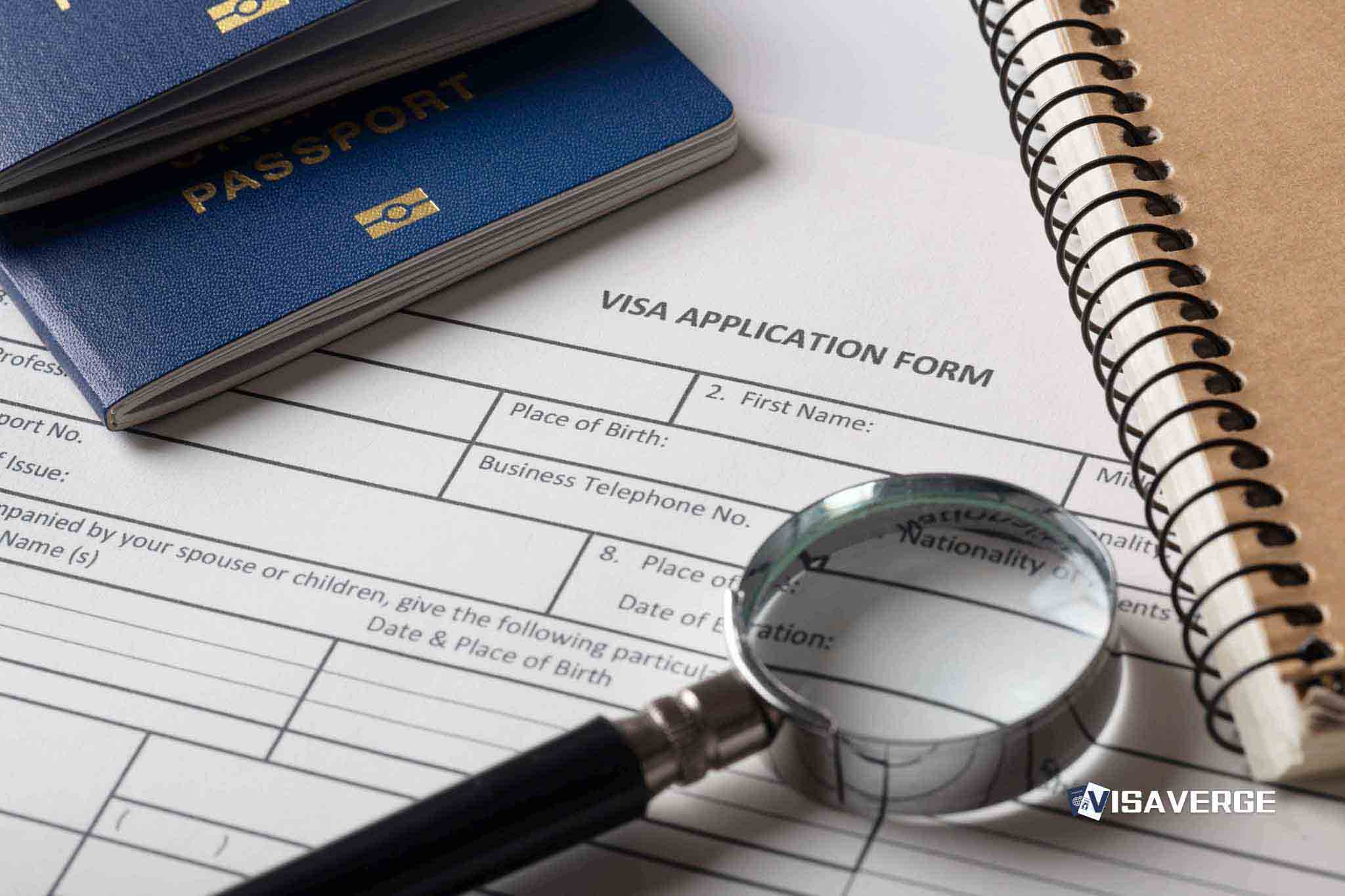
- Western embassies warn of persistent document fraud affecting visa approval rates for Bangladeshi applicants.
- Corruption allows for genuine documents with false information to be issued through unofficial channels.
- Fraudulent paperwork erodes international trust, leading to increased scrutiny and delays for all legitimate travelers.
(DHAKA, BANGLADESH) Bangladeshi visa seekers are facing fresh scrutiny as Western embassies keep warning that falsified documents remain a major problem in visa applications. No verified joint advisory from exactly 13 Western countries exists as of April 2026, but separate statements from embassies and diplomatic missions all point in the same direction: false papers continue to damage trust, slow applications, and sink approval chances.
For many applicants, the issue is not only counterfeit papers. It is also genuine documents built on false information. That distinction matters. A passport, birth certificate, marriage record, or police clearance can be real on paper and still be fraudulent if the identity details inside it were obtained through bribery or corrupt officials.

Schengen countries, including Sweden and Denmark, have repeatedly flagged this risk in Bangladeshi visa files. The Swedish Embassy in Dhaka reported in 2018, with confirmation through 2023, that counterfeit passports are rare, but authentic passports are often issued on the basis of false details. In that system, the paper looks real, the story is false, and the visa officer is left dealing with a file that cannot be trusted.
The embassy said birth certificates can cost 1,000–2,000 BDT, or about $15–30, in bribes. That low price point shows how routine the practice has become in some parts of the document chain. A small payment can change a birth date, alter a family link, or create a record that supports a visa story that never existed.
The Danish National ID Centre described a similar pattern in a 2018 mission. Officials said it was easy to acquire genuine documents from legitimate government offices while inserting fraudulent personal information. Age fraud and false spousal relationships were among the problems noted. That finding matters because many visa categories rely on family ties, age, civil status, and identity history.
The UK Home Office echoed those concerns in 2024. It said fraud continues in National Identity Cards, police clearances, and court documents, even with biometric checks in place. Biometrics help, but they do not stop a corrupt system from issuing clean-looking papers backed by dirty data.
Documents Most Often Falsified
The list is familiar to visa officers across Europe and North America. The most common problem papers include:
- Passports with false personal information
- Birth certificates
- Marriage certificates
- Police records
- National Identity Cards
- Court documents
- Bank statements
- Tax documents
The U.S. Department of Justice has documented fraud in many of these records. It has also described the role of middlemen, or dalals, who arrange false identities through unofficial channels. In many cases, the applicant never deals directly with the office that issues the paper. The middleman handles the contact, the money, and the lie.
Bangladeshi media have reported another layer of abuse: police involvement in forging documents for Rohingya refugees and others. In February 2019, 54 Rohingyas were arrested while trying to leave with fake passports. That case showed how document fraud does not stay inside a visa file. It can spill into border control, airline checks, and criminal investigations.
Why Approval Rates Drop
Fraudulent paperwork hurts far more than one applicant. It damages the reputation of entire categories of Bangladeshi visa seekers. When embassies see repeated fraud patterns from the same document types or local offices, they raise the bar for everyone. Legitimate applications then face longer checks, more interviews, and deeper scrutiny.
Visa officers also look for internal consistency. If a birth certificate says one age, a school record says another, and a marriage file shows a different timeline, the case weakens fast. Schengen missions have warned that fake documents sharply reduce approval rates and make genuine cases harder to process.
According to analysis by VisaVerge.com, the larger problem is not just document fraud itself but the erosion of confidence it creates. Once a visa section starts assuming that a file might be staged, the burden shifts to the applicant to prove every detail. That slows down the system for honest travelers, students, workers, and family members.
How Fraud Gets Past Checks
Embassies and consulates do not rely on one screen only. They use database verification, countersignatures, and cross-checks against civil records. Those tools catch many bad files. They do not stop every case.
Bribery undermines the system before the document even reaches a visa counter. If an office issues a genuine certificate on the basis of false data, the later checks may confirm the paper as real while missing the lie underneath. That is why many Western missions distinguish between counterfeit documents and authentic documents issued on false information. The second category is harder to detect and often more dangerous.
The challenge is especially acute when multiple offices are involved. One file may pass through a local registry, a police desk, a court office, and a passport authority. Each stamp can look correct. The story behind the stamps can still be false.
Overseas Jobs and New Pressure Points
Recent 2026 reports added another layer of concern: recruitment agencies promoting fraudulent documentation for overseas jobs. That trend has increased pressure at immigration counters and passport offices, sometimes even when applicants hold valid visas. The paperwork trail matters as much as the visa sticker.
This creates a wider trap for job seekers. Some pay agents for fast results. Others are told that a small correction to age, parentage, or marital status will help them qualify. Those changes may look minor at the start. They can turn into bans, refusals, or criminal exposure later.
For authorities, the response is straightforward, though not easy. Verification must stay strict. Cross-border cooperation must improve. Anti-corruption efforts have to reach the offices that create identity records, not only the embassies that review them.
What This Means for Applicants and Officials
For applicants, the safest route is the legal one. Do not rely on falsified documents. They can destroy a case that would otherwise succeed on merit. A clean application with complete records is stronger than a polished lie.
For officials, the task is to keep pressure on the weak points in the system. That means better record checks, stronger digital links between databases, and closer cooperation between embassies and Bangladeshi authorities. It also means treating bribery as a visa issue, not just a corruption issue, because the two are now tightly linked.