- Icelandair pilot performed an unauthorized low-altitude flyover during a retirement flight over Vestmannaeyjar.
- The Boeing 757-200 aircraft descended to 100 meters, causing concern among local residents.
- Icelandair launched an internal investigation and police report regarding the safety protocol breach.
(VESTMANNAEYJAR, ICELAND) — Icelandair’s FI521 is not a flight you should book for luxury, but it is still one of the airline’s most useful transatlantic workhorses. On April 11, 2026, that same flight drew attention for all the wrong reasons after a veteran captain made an unauthorized low-altitude flyover over Vestmannaeyjar, a move Icelandair says happened without permission. For travelers, the bigger story is simpler: this is a reminder to know what you are buying on Icelandair’s Boeing 757-200, because the airline’s value comes from schedule, network, and service, not glamour.
FI521 operated from Frankfurt (FRA) to Keflavík (KEF) on a Boeing 757-200 registered TF-ISR. That aircraft is an old-school narrowbody that still fills an important niche for Icelandair. It connects Europe and North America through Iceland, and it keeps the airline competitive on thinner routes where larger jets do not make sense.
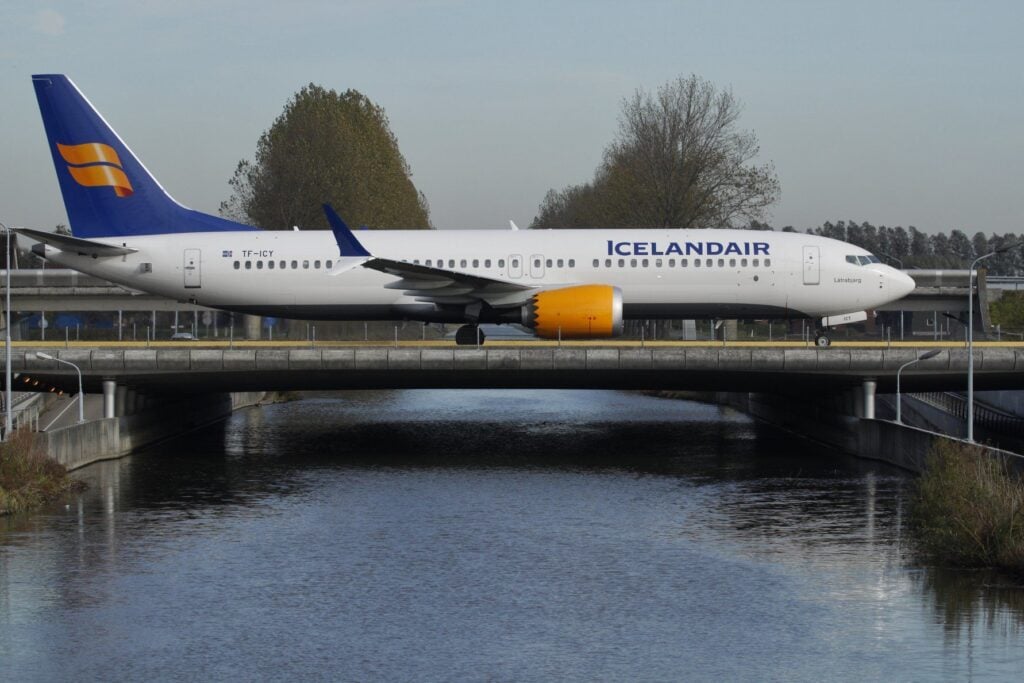
For you as a traveler, the 757-200 is both the appeal and the limitation. It is efficient, but it is not spacious by long-haul standards. If you are buying Icelandair for a cheap connection across the Atlantic, the aircraft gets the job done. If you want a widebody feel, this is not it.
The captain at the center of the incident was a retiring pilot with 40 years of service. He was also a native of Vestmannaeyjar, or the Westman Islands, and described the maneuver as a personal farewell to his hometown. That detail explains the motive. It does not make the flyover acceptable.
Residents reported shaking houses when the jet passed overhead. The aircraft was estimated at about 100 meters, or 328 feet, above the built-up area. That sits far below the usual 300 meters, or 1,000 feet, minimum safe altitude over congested areas for commercial aircraft. In plain English, this was far lower than normal operations allow.
The complaints quickly reached authorities, and Icelandair responded by filing a police report. The airline said the flyover happened without its knowledge or permission, and it launched an internal investigation. The Icelandic Transport Authority, known as Samgöngustofa, may also review the case.
| FI521 at a glance | Details |
|---|---|
| Airline | Icelandair |
| Flight | FI521 |
| Route | Frankfurt (FRA) to Keflavík (KEF) |
| Aircraft | Boeing 757-200 |
| Registration | TF-ISR |
| Incident date | April 11, 2026 |
| Flyover location | Vestmannaeyjar |
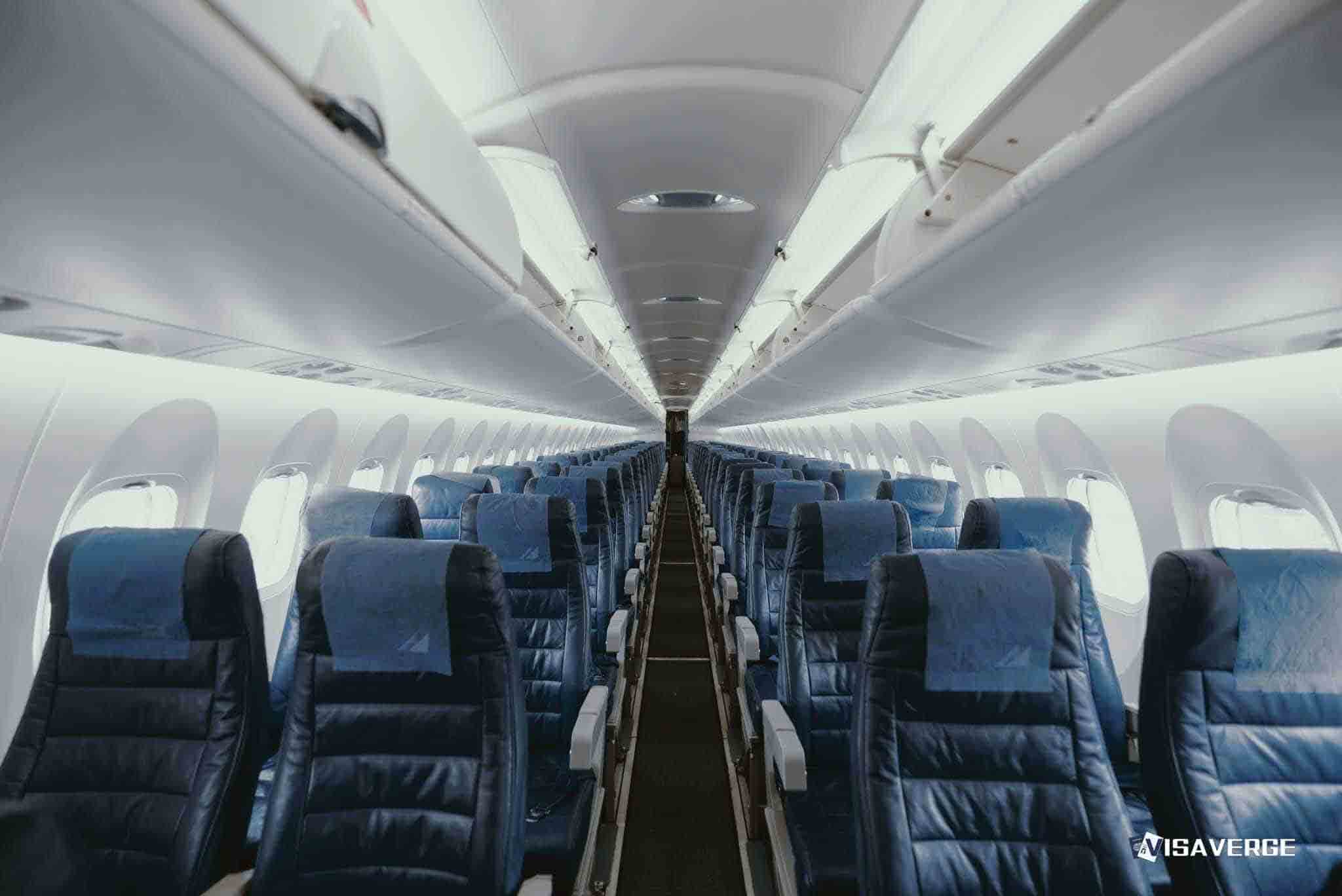
From a passenger point of view, the aircraft itself is what matters most on this route. Icelandair’s 757-200 cabin is practical, not plush. Economy seating on the type is tight, with roughly 31 inches of pitch and about 17 inches of width on many configurations. That is enough for a transatlantic flight if you pack light and sit still. It is not the seat you choose for extra legroom.
Saga Premium, Icelandair’s premium economy-style cabin, is the better buy if you want more space. The seats are wider, the service is better, and the ticket often includes more generous baggage rules. If you are comparing fares, the upgrade usually makes the biggest difference in comfort per dollar spent.
Power access matters on a flight like FI521, especially if you are connecting through Keflavík and then heading on to North America. Icelandair’s 757 fleet commonly offers power outlets or USB charging in many seats, though the exact setup varies by aircraft and cabin. That is one reason many travelers still tolerate the older jet. It is not a tech showpiece, but it is usually workable for a laptop and phone.
Entertainment is another mixed bag. Icelandair offers seatback or streaming options depending on the aircraft and refit, along with in-flight Wi-Fi on many flights. The experience is fine for a few hours over the Atlantic. It does not match the sharper seatback systems you see on some larger European carriers, but it beats flying a bare-bones narrowbody with no decent screen.
Food and service usually land in the same practical lane. On short and mid-haul Europe flights, Icelandair often sells snacks and drinks or includes a modest offering depending on fare and route. On transatlantic flights, the experience is more complete, but it still feels closer to efficient Nordic service than to a premium legacy airline.
That matters when you compare Icelandair with competitors. Lufthansa and SAS often give you broader schedules and more alliance perks, but both can price higher. KLM usually has a stronger hub product through Amsterdam, with more aircraft variety and a more polished long-haul feel. Icelandair’s edge is different: you get a clean one-stop bridge between Europe and North America, often at a fare that undercuts the big hubs.
| Carrier | Typical strength | How it compares to Icelandair |
|---|---|---|
| Icelandair | Low-frills transatlantic connections via Keflavík | Best for price and easy Iceland stopovers |
| Lufthansa | Broad network, strong business demand | Usually better premium product, often pricier |
| KLM | Large European hub, strong connectivity | More schedule options, often smoother connections |
| SAS | Nordic network and frequent-flyer appeal | Similar regional feel, but different route map |
For mileage hunters, Icelandair is more interesting than many people realize. The airline’s own program, Saga Club, rewards you for flying its network, and transatlantic itineraries through Keflavík can be useful if you are chasing a cheap paid fare instead of a pure award ticket. The catch is simple: Icelandair is not a great place to expect big partner-style sweet spots. You book it for the route, the stopover, and the cash fare, not for outsized redemption value.
That is why FI521 matters beyond the headlines. The flight touches one of Icelandair’s core strengths, which is moving travelers efficiently between Europe and Iceland, then onward to North America. If you are using miles, you usually want to compare Icelandair cash fares against award pricing on partners like Lufthansa, SAS, and KLM before booking. Sometimes the paid fare wins easily.
The incident also shows why airlines treat off-script flying so seriously. Even if the pilot intended it as a farewell gesture, the airline now faces questions about procedure, oversight, and public safety. For you, the lesson is not about drama. It is about trust. Airlines build schedules, safety rules, and checklists around repeatable operations, not personal celebrations.
There is precedent for this kind of attention-grabbing flying. In March 2024, a Lufthansa captain made an unauthorized wingtip maneuver after departure from Los Angeles, drawing similar scrutiny. Airlines dislike these stunts because they create safety questions, force investigations, and put reputation ahead of procedure.
For travelers, none of that changes the core product on FI521. Icelandair still offers one of the easiest ways to link central Europe with Iceland and beyond. The 757-200 remains a useful aircraft, especially if you value network flexibility more than cabin flash. Just know what you are buying: a sensible, middle-of-the-market transatlantic seat, not a luxury experience.
If you are choosing between Icelandair and a competitor, look first at schedule, baggage rules, and the fare difference. Pick Saga Premium if you want more comfort on the 757. And if you are planning a spring or summer trip through Keflavík, book early, compare the connection times carefully, and make sure the fare you choose fits the kind of trip you actually want.
Who should book this? Choose Icelandair if you want a practical transatlantic fare, a stopover in Iceland, or a decent premium-economy upgrade without paying business-class prices. Skip it if you want the quietest cabin, the most advanced seat, or the richest frequent-flyer returns. For the best value, compare Icelandair against Lufthansa, KLM, and SAS before you lock in your ticket.