- Major airlines halted or reduced service to Puerto Vallarta following the death of cartel leader El Mencho.
- Over 60% of outbound flights were canceled due to crew safety concerns and ground access risks.
- Airlines issued travel waivers and rebooking options as Jalisco authorities declared a Code Red security alert.
(PUERTO VALLARTA, JALISCO, MEXICO) — Major airlines halted or sharply reduced service to Puerto Vallarta after the killing of cartel leader Nem esio ‘El Mencho’ Oseguera Cervantes set off violence across Jalisco, prompting mass cancellations and travel waivers even as Puerto Vallarta International Airport stayed open.
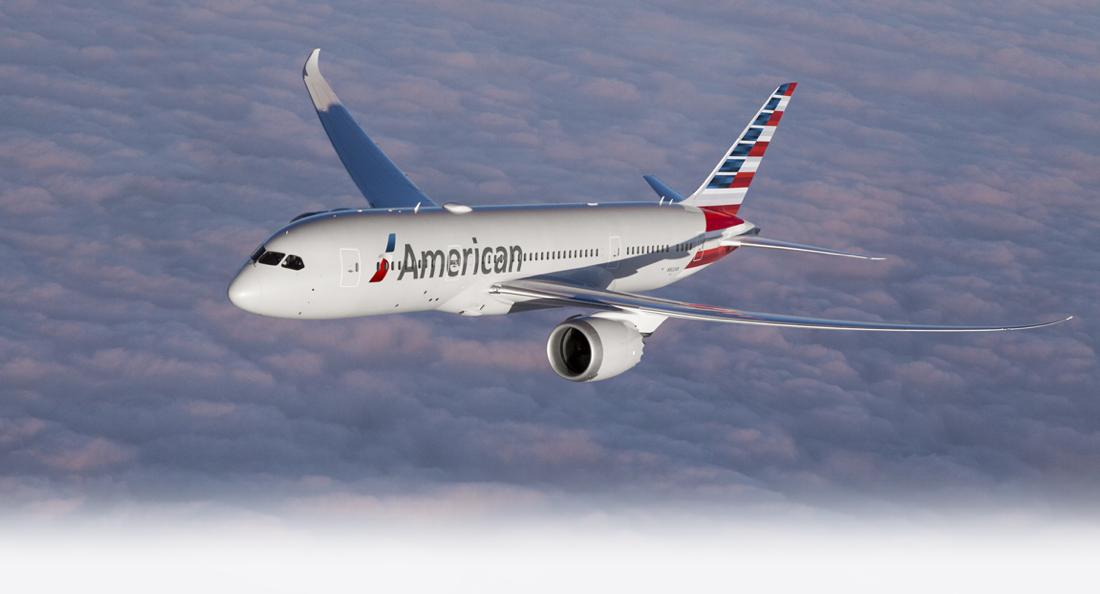
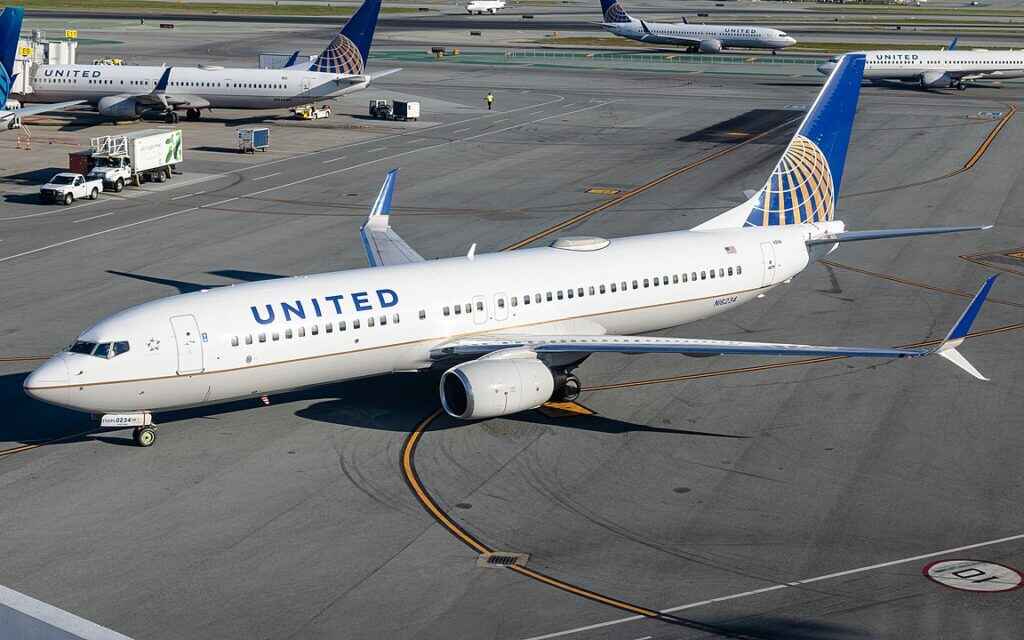
United Airlines, Southwest Airlines, American Airlines, Air Canada, Delta Air Lines, and WestJet were among carriers that pulled back flights on Sunday, February 22, 2026, with disruption continuing into early Monday. Travelers faced sudden itinerary breaks, packed rebooking queues, and uncertainty about getting to and from the terminal safely.
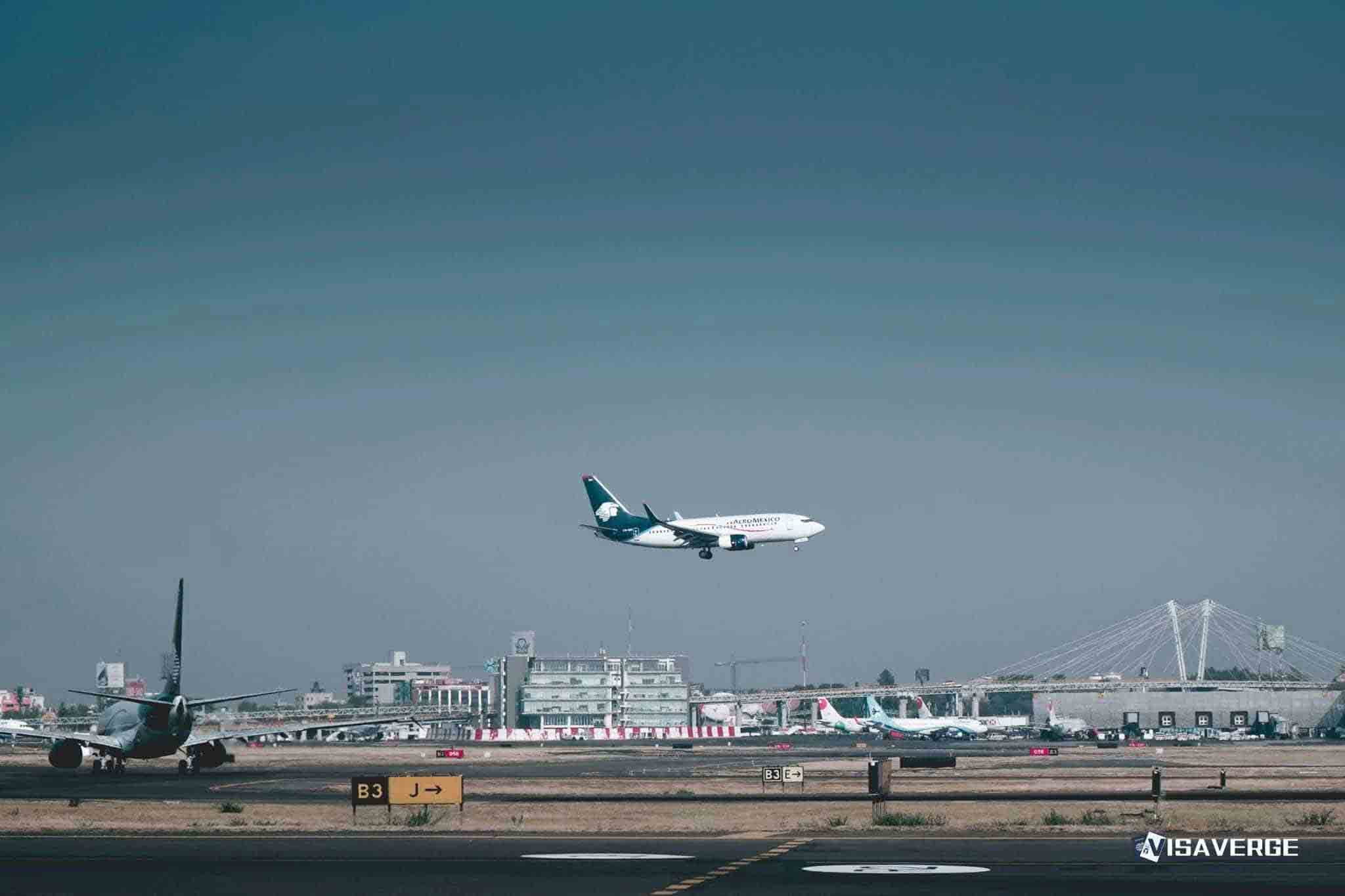
Puerto Vallarta (PVR) did not shut down operations, but airlines treated the situation like an access and crew-safety emergency. On days like these, an airport can remain technically open while carriers pause service because crews may not be able to reach hotels, aircraft, or secure ground transport.
As of February 23, 2026 reports, roughly 50% of incoming flights were canceled and 62% of outgoing flights were canceled. Individual airlines posted higher cancellation rates, reflecting how quickly schedules can unravel when aircraft rotations and crews are out of position.
Local conditions drove much of the operational risk. Roadblocks, burning vehicles, and clashes can cut off the main corridors that connect resorts, downtown areas, and airport access roads. That, in turn, affects check-in staffing, fuel and catering deliveries, and the ability to move crews between secure locations.
Outbound cancellations often look worse than inbound during sudden security events. Aircraft may arrive but cannot legally depart if crews time out, cannot reach the airport, or cannot be positioned for the next leg. One break can ripple across next-day schedules.
Travelers should also read cancellations in a network context, not just a single airport event. A disrupted PVR flight can cascade into missed connections and aircraft shortages in Denver, Houston, Detroit, Toronto, and other hubs that feed Puerto Vallarta.
| Metric | Inbound Disruptions | Outbound Disruptions |
|---|---|---|
| Overall cancellation rate | 50% of incoming flights canceled | 62% of outgoing flights canceled |
| Operational drivers | Aircraft arrival possible, but ground access risks remain | Crew positioning, rotation breaks, curfews, and ground access constraints can amplify cancellations |
United Airlines canceled all Sunday flights to Puerto Vallarta and Guadalajara (GDL) and issued waivers that allowed rebooking without certain fees. Southwest Airlines canceled Sunday arrivals and departures at PVR as carriers tried to keep crews out of areas with fast-changing conditions.
American Airlines halted remaining Sunday service to Puerto Vallarta, Guadalajara, and Mazatlán, and posted travel alerts that allowed fee-free changes. Delta Air Lines, which canceled 76% of flights tied to the disruption snapshot, said it was prioritizing safety while offering waivers and rebooking options.
Air Canada suspended operations to Puerto Vallarta on Sunday and Monday and said it was monitoring the situation with local authorities. WestJet reported major disruptions, and Porter Airlines canceled all affected service in the same time window.
Mexico-based AeroMexico also showed heavy disruption, underscoring that the issue was not limited to one country’s carriers. Volaris reached 95% cancellations in the disruption snapshot, highlighting how quickly capacity can vanish when ground conditions deteriorate.
Travel waivers typically allow date changes and give flexibility on change fees within a set window. They often do not cover fare differences, and they may not preserve paid upgrades or preferred seats if the new flight books into a different fare class.
Rebooking can also be constrained even when waivers are generous. Seats disappear fast when multiple airlines are trying to move the same pool of stranded passengers, and partner rebooking can be limited by inventory rules and interline agreements.
Travelers who booked through online travel agencies may find the airline cannot immediately take control of the ticket. In many cases, the agency must reissue the itinerary, so escalation can mean contacting the agency first, then the airline, and documenting each interaction.
| Airline | Cancellation/Disruption Rate | Actions Taken (Cancellations, Waivers, Rebooking) |
|---|---|---|
| United Airlines | 76% | Canceled Sunday flights to PVR and Guadalajara (GDL); issued waivers for rebooking without fees |
| Southwest Airlines | 75% | Canceled Sunday arrivals and departures from PVR |
| American Airlines | — | Halted remaining Sunday service to PVR, GDL, and Mazatlán; travel alerts allowing fee-free changes |
| Air Canada | 66% | Suspended operations to PVR Sunday and Monday; monitoring with local authorities |
| Delta Air Lines | 76% | Issued waivers; canceled 76% and prioritized safety |
| WestJet | 65% | High cancellation levels; rebooking and schedule changes during disruption |
| AeroMexico | 62-75% | Heavy cancellations and schedule reductions tied to security conditions |
| Porter Airlines | 100% | Canceled all affected service during the disruption window |
Network impacts extended beyond a single nonstop. Commonly affected flows included Puerto Vallarta links with Mexico City, Edmonton, Houston, Minneapolis/St. Paul, Denver, Detroit, and Toronto, where a missed PVR leg can strand passengers far from their final stop.
When airlines restart service after a security pause, nonstop options are often the first preference because they reduce ground exposure and missed-connection risk. If a connection is required, routings through Mexico City or Guadalajara can add time and complexity, especially if road conditions around terminals change quickly.
Travelers considering alternate airports should weigh ground transfer risk alongside flight availability. A longer drive on unstable roads can be riskier than waiting for the next protected flight option from a controlled terminal environment.
Mexican special forces killed Nem esio ‘El Mencho’ Oseguera Cervantes in Tapalpa (Jalisco) on Sunday, a strike that authorities said involved U.S. intelligence support. El Mencho led the CJNG, also referred to as the Jalisco New Generation Cartel, one of the country’s most powerful criminal groups.
After the killing, retaliation patterns reported across Jalisco included roadblocks, vehicle burnings, and clashes. Such events can spread quickly across municipalities, cutting off highways and urban arteries that airlines rely on to move passengers and crews.
Jalisco Governor Pablo Lemus Navarro declared a Code Red and warned of incidents aimed at hindering authorities. For airlines, that kind of alert can trigger conservative decisions tied to crew duty-of-care obligations, insurer expectations, and security protocols.
U.S. State Department messaging during acute incidents like this commonly includes shelter-in-place guidance, instructions to avoid nonessential movement, and reminders to monitor official updates. Canadian advisories issued similar shelter-in-place direction for Puerto Vallarta during the violence.
Tourist impacts can be immediate even when resorts remain structurally secure. Ride-share service may be interrupted, roads can be blocked without notice, and transfers between hotels and the airport can be delayed or stopped.
Hotel security measures may tighten quickly. Travelers have reported resort confinements during past flare-ups, and short-notice lockdowns can make a same-day flight unreachable even if it is still operating.
⚠️ Expect ongoing volatility; monitor airport access routes, road conditions, and advisories; have flexible timing and contingency plans.
Reducing risk while waiting usually means limiting movement, keeping a charged phone and backup power available, and confirming check-out extensions with lodging when flights are canceled. Families may want a simple check-in plan that does not rely on constant road travel.
For travelers deciding what to do next, start with a simple choice: stay put or attempt to reach the airport. If advisories or local alerts warn against movement, waiting for official clearance may be safer than trying multiple ground routes.
When an airline cancels a flight, passengers may be eligible for rebooking or a refund depending on the fare and the carrier’s policies. Voluntary changes are often treated differently, so travelers may want to confirm whether the airline labeled the cancellation as carrier-initiated.
Check status through official airline channels and refresh frequently during active disruptions, since schedules can change hour by hour. Airport updates can help, but airline systems control ticketed rebookings and boarding permissions.
✅ Check status with your airline via official channels, review waiver options immediately, and document any incidental expenses eligible for reimbursement when applicable.
Receipts matter if a carrier later offers reimbursement for covered expenses, though policies vary and are often limited. Travelers can also ask whether meal or hotel vouchers are available, especially when the airline controls the delay and local conditions allow safe lodging.
Connecting itineraries need extra scrutiny. Before leaving a hotel, passengers should confirm that every segment is protected on the reissued ticket, including partner-operated legs, and confirm baggage rules if the routing changes.
Government officials in Mexico said security forces were working to restore order, and public messaging emphasized safety and monitoring. Mexican President Claudia Sheinbaum praised military efforts to restore peace as authorities responded to retaliatory violence.
Signs that conditions are stabilizing for travelers usually appear in verifiable places: airline resumption notices, restored ground transport, lifted roadblocks on main corridors, and updated U.S. State Department and Canadian advisories. Until those indicators line up, travelers should assume flight schedules may change again and keep plans flexible through early Monday re-accommodation periods.
This article provides travel guidance and safety advisories. Readers should consult official government advisories and airline policies for rights and remedies.
YMYL content requires careful, qualified language when discussing safety, travel advisories, and potential refunds or waivers.