- The UK government will increase the ETA fee from £16 to £20 starting April 8, 2026.
- The price hike affects 85+ visa-exempt countries including the United States, Canada, Australia, and EU nations.
- Indian nationals must obtain both an eVisa and an ETA to enter the United Kingdom under current rules.
(UNITED KINGDOM) — The UK government will raise the UK Electronic Travel Authorisation fee by 25% from £16 to £20 on April 8, 2026, increasing the cost of entry permission for travelers from visa-exempt countries who visit for short stays.
The change applies to the ETA system used by nationals of 85+ visa-exempt countries, including the United States, Canada, Australia and EU countries such as France, for visits of up to 6 months. People who apply before April 8, 2026 can still pay the current £16 rate.
The Home Office confirmed the increase on March 18, 2026, as part of broader immigration and nationality fee rises aimed at reducing taxpayer reliance on the system. Airlines can deny boarding to travelers who need an ETA and do not have one.
The ETA has become a standard pre-travel requirement for short-term visitors who do not need a visa to enter Britain. It has been mandatory since February 25, 2026.
A successful ETA application allows multiple entries over 2 years or until the traveler’s passport expires, whichever comes first. Processing typically takes from minutes to 3 working days.
That timing gives travelers a narrow window if they want the lower price. Anyone planning a trip soon after the fee change must apply before April 8, 2026 to secure the £16 charge rather than the new £20 rate.
British and Irish citizens do not need an ETA. Legal residents of Ireland who hold a nationality that is otherwise visa-exempt are also exempt when traveling within the Common Travel Area, as are people who already hold a UK visa or eVisa.
For many travelers, the change is part of a wider tightening of digital border checks rather than a shift in who qualifies to enter. The permission remains tied to nationality, travel purpose and immigration status, but the cost is rising.
Indian nationals face a different set of rules. India is not on the visa-exempt list, so Indian citizens need both a visa, now issued in eVisa format, and an ETA to enter the United Kingdom.
That requirement means an Indian traveler cannot rely on the ETA alone. The visa remains the primary entry document, while the ETA adds another layer to the pre-departure process.
The visa system for Indian nationals has already shifted away from paper stickers. eVisas now replace those stickers, and applicants must apply online and attend biometrics in person, though their passport is not retained during processing.
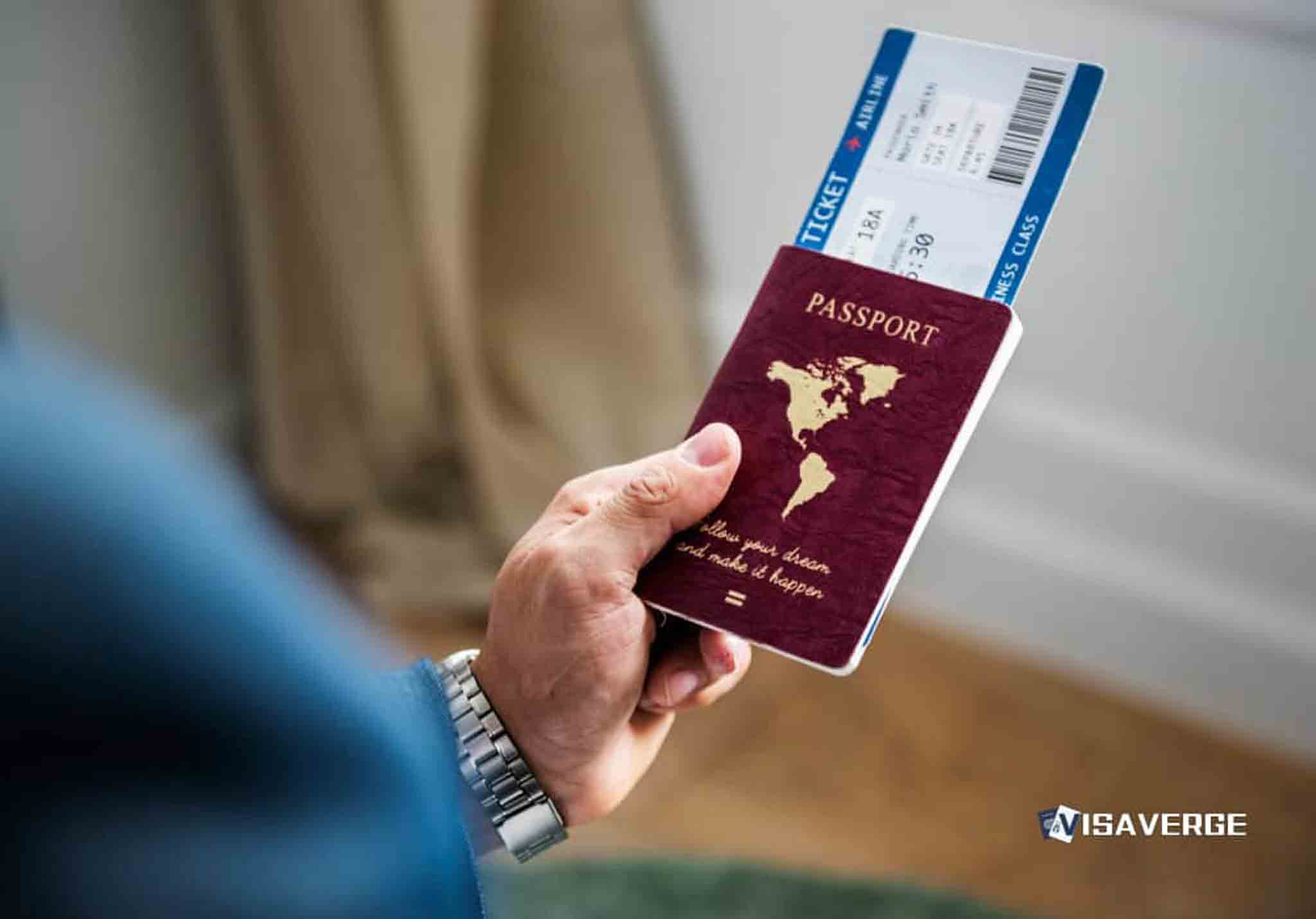
Airlines check a traveler’s digital status before boarding. Without a valid eVisa or ETA, passengers can be denied travel before they even depart.
Mike Tapp, UK Minister for Migration and Citizenship, urged travelers to prepare before flying. “I’d urge anyone wanting to travel to the UK to ensure they are travel-ready and have the right permission.”
The ETA fee rise sits alongside increases in other immigration charges. For example, the fee for a short-term visit visa applied for outside the UK, for stays of up to 6 months, will rise from £127 to £135.
That broader package shows the ETA increase is not an isolated move. It is part of a wider increase in immigration and nationality charges announced by the government.
The British system also now looks more like arrangements already used or planned elsewhere. The United States uses ESTA, priced at $40, about £32, while the European Union plans ETIAS at €20.
Those comparisons place the new British ETA fee in the middle of a growing set of digital travel authorisation schemes that screen visitors before they board. Britain’s system, like those models, targets short-stay travelers who are otherwise allowed to visit without a visa.
Usage has risen quickly since the system began expanding. More than 3.2 million ETAs have been issued since the 2025 rollout.
That figure shows how central the scheme has become to Britain’s border checks for non-visa nationals. The number also helps explain why operational changes matter not only to travelers but to carriers that must verify permission before departure.
Airlines have their own deadline tied to the change. They must update their systems by April 7 to avoid fines.
That requirement matters because boarding checks are now part of enforcement. If a carrier allows someone to travel without the proper digital permission, the consequence can fall on the airline as well as the passenger.
For travelers from visa-exempt countries, the ETA remains a relatively quick process in most cases. Applications can be handled in minutes, though the government says the window can extend to 3 working days.
That gap between best-case and longest standard processing time makes timing important for anyone booking last-minute travel. A passenger who waits until the day before departure may still face the risk that approval will not arrive immediately.
The ETA’s validity period also gives frequent travelers some flexibility once it is granted. Because it covers multiple entries for 2 years or until passport expiry, whichever is sooner, some visitors will spread the cost over several trips.
Others will feel the increase immediately. Families and groups applying together will pay the higher amount for each person if they wait until April 8, 2026 or later.
The rule for children is the same because the fee is charged per person. A household making several applications at once will therefore see the total rise by more than the headline £4 increase for a single traveler.
For Indian nationals, the practical effect is different because the ETA is not replacing a visa. It is being layered on top of a visa process that already includes an online application, in-person biometrics and digital status checks before boarding.
That makes compliance especially important for passengers who are accustomed to treating a visa as the sole pre-travel requirement. Under the current system, airline staff verify both elements digitally.
The change also highlights the division at the heart of Britain’s border regime. One track covers travelers from visa-exempt countries, who can visit for up to 6 months with an ETA, while another covers nationalities such as India that must secure a visa and, now, an ETA as well.
For exempt nationals, the biggest immediate question is cost and timing. For Indians, the more pressing issue is ensuring every digital permission is in place before arriving at the airport.
The government’s exemptions remain narrow and clearly defined. British and Irish citizens stay outside the scheme, and so do eligible legal residents of Ireland traveling within the Common Travel Area, along with people who already hold valid UK visa status in physical or digital form.
That leaves the bulk of short-stay non-visa travelers inside the ETA system. Since February 25, 2026, carriers have had the power to refuse boarding when the permission is missing.
With the fee increase taking effect on April 8, 2026, the final day before the change has become a practical deadline for both travelers and airlines. Passengers who want to pay £16 must apply before that date, while carriers must complete system updates by April 7.
The result is a busy week for Britain’s digital border regime, with higher costs for visitors, fresh compliance demands for airlines and an added reminder for Indian travelers that a UK journey now depends on both an eVisa and an ETA. Tapp’s message was direct: “I’d urge anyone wanting to travel to the UK to ensure they are travel-ready and have the right permission.”