- President Trump announced 50% tariffs on countries supplying military weapons to Iran effective immediately.
- The trade pressure accompanies an offer for nuclear talks and cooperation with Tehran following 2025 strikes.
- Peace talks are scheduled for Friday, April 10, 2026, during a critical two-week ceasefire window.
(UNITED STATES) — President Donald Trump announced on April 8, 2026 that he would impose 50% tariffs on all goods from any country supplying military weapons to Iran, opening a new pressure campaign that he paired with an offer of nuclear talks and postwar cooperation with Tehran.
Trump made the announcement on Truth Social and said the measure would take effect at once. “A Country supplying Military Weapons to Iran will be immediately tariffed, on any and all goods sold to the United States of America, 50%, effective immediately. There will be no exclusions or exemptions!”
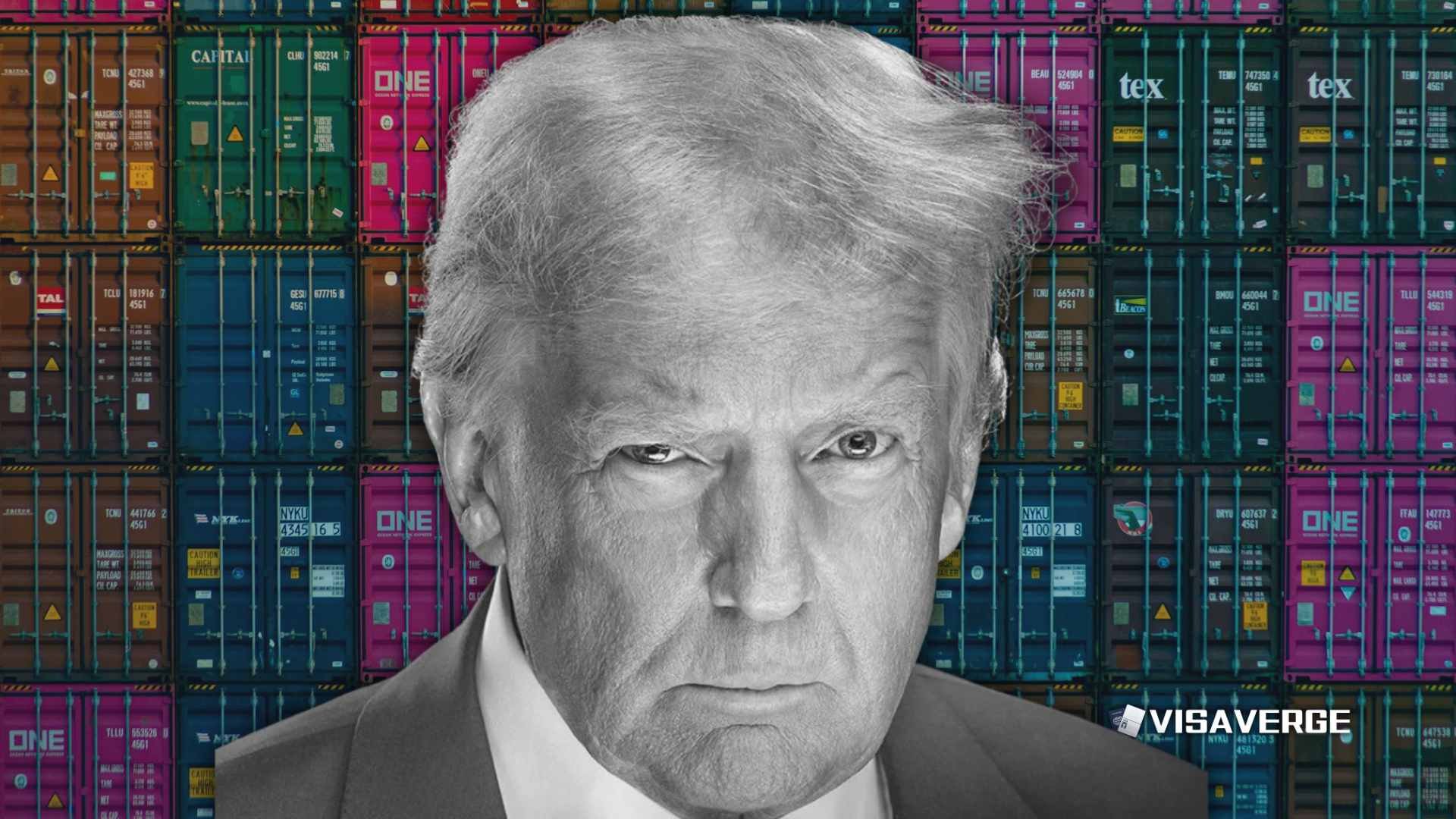
The tariff threat landed as Trump also said the United States and Iran would “work closely to dig up and remove” deeply buried nuclear material and end Iran’s uranium enrichment, after U.S. B-2 bomber strikes on three Iranian nuclear facilities in June 2025. The move tied economic pressure to diplomacy in a single message, with Trump warning adversaries while signaling that talks remained open.
Potential targets include China, which supplies Iran with dual-use items like drones, spare parts, and possibly ship-killer cruise missiles. Trump did not announce a country list, but his wording covered any nation that sells military weapons to Iran.
Unclear immediately was what legal authority the administration would use for the tariffs. One possible basis is Section 338 of the Tariff Act of 1930, which allows tariffs of up to 50%, though the provision targets foreign discriminatory trade practices and would require specific justifications and investigations for weapons sales.
The White House has not commented on the authority to be used. Prior investigations into China’s practices from Trump’s first term could support action against Beijing, though Trump did not spell out any legal mechanism in his announcement.
Pete Hegseth, Trump’s Pentagon chief, said the president “chose mercy” despite having the capacity to “cripple” Iran’s economy. Hegseth also credited a “productive regime change.”
Trump’s latest move came during a two-week ceasefire, in place until around April 22, 2026, that Pakistan mediated just before his deadline to avoid strikes on Iranian civilian infrastructure. Peace talks are set for Friday, April 10, giving both sides a narrow diplomatic window even as Trump sharpened his threats with tariffs.
He cast the moment in sweeping terms. Trump called it a “big day for World Peace!” and said a 15-item U.S. peace proposal was advancing, adding that “many of the 15 items have already been agreed upon.”
That proposal includes Iran abandoning its nuclear program, reopening the Strait of Hormuz and receiving sanctions relief. Trump also said the United States would help Iran excavate “nuclear dust” from buried sites, and he claimed Tehran had frozen its nuclear work after the 2025 strikes, writing: “Since the day the attack occurred, (Iran) has not touched anything.”
At the same time, Trump kept open the threat of renewed force if diplomacy collapses. In a Sky News interview, he said: “If negotiations do not go well, we will return at any time.”
Financial and diplomatic signals have pointed in the opposite direction so far. Ceasefire markets surged to 100% YES by April 15 from 12% prior, reflecting bets that diplomacy would hold and that the immediate cycle of escalation between Washington and Tehran might pause.
Military steps also matched that cautious optimism. The U.S. military halted offensive operations but maintained defensive measures, while Iran agreed to coordinate safe passage in the Strait of Hormuz under its forces, easing one of the most immediate risks to shipping and energy flows.
The negotiations that now frame Trump’s tariff threat began on April 12, 2025, after he sent a letter to Supreme Leader Ali Khamenei demanding nuclear dismantlement, a halt to proxy activity and zero oil exports within 60 days. Failure led to war sparked by Israeli strikes, setting in motion the confrontation that later widened into direct U.S. military action.
Before that escalation, Oman hosted three rounds of talks that ended on Feb. 26, 2026. In those discussions, the United States offered “free nuclear fuel forever” but demanded zero enrichment and curbs on missiles, while Iran sought enrichment rights and monitoring.
Two days later, on Feb. 28, 2026, Trump launched strikes under Operation Epic Fury without congressional authorization. Throughout the crisis, he maintained the same central demand, insisting Iran “can never have a nuclear weapon.”
Israel pushed for an even harder line. Prime Minister Benjamin Netanyahu pressed for zero enrichment, uranium export and inspections with no lead time, positions that aligned with the most restrictive U.S. demands and narrowed the room for compromise during earlier diplomacy.
Trump’s April 8 announcement puts that long-running dispute into a sharper framework: tariffs as punishment for outside support to Iran, and talks as a path to de-escalation if Tehran accepts U.S. terms. The approach combines trade pressure, military deterrence and diplomacy at once, with Trump seeking leverage not only over Iran but also over countries that help arm it.
That balance could strain ties with China and with European allies if Washington moves from rhetoric to enforcement, especially if the administration uses trade tools in ways not previously tested against military suppliers. For now, though, traders and diplomats are watching the ceasefire calendar and the April 10 talks more closely than the legal fine print of the tariffs.
What comes next may depend on whether Trump can turn parallel tracks into a single deal. He has threatened 50% tariffs with “no exclusions or exemptions!” while saying “many of the 15 items have already been agreed upon” — a mix of pressure and outreach that leaves both markets and governments waiting to see whether the next step is enforcement, negotiation or, as Trump warned, a return to force “at any time.”