- Rising numbers of Somali nationals are crossing into Manitoba due to U.S. immigration crackdowns in Minnesota.
- The Trump administration terminated Somalia’s TPS status in early 2026, though a court later stayed the decision.
- Canada’s new Bill C-12 has tightened asylum eligibility rules, making refuge harder for irregular border crossers.
(MANITOBA) — Somali nationals have crossed into Manitoba in higher numbers in recent months as a U.S. immigration crackdown in Minnesota, combined with the Trump administration’s attempt to end Somalia’s Temporary Protected Status, pushed more people to seek refuge north of the border.
Refugee advocates in Winnipeg, including the Resilia Community Wellness Centre, reported that approximately 150 people crossed into Manitoba from the United States between December 2025 and February 2026. The increase came as federal enforcement intensified in the Minneapolis-St. Paul area and legal protection for Somalis in the United States narrowed, then partially reopened through a court order.

Many of those arriving now face a second obstacle in Canada. Bill C-12, which became law on March 26, 2026, tightened asylum eligibility rules and limited exceptions for irregular border crossers, leaving some Somali arrivals caught between two harder systems.
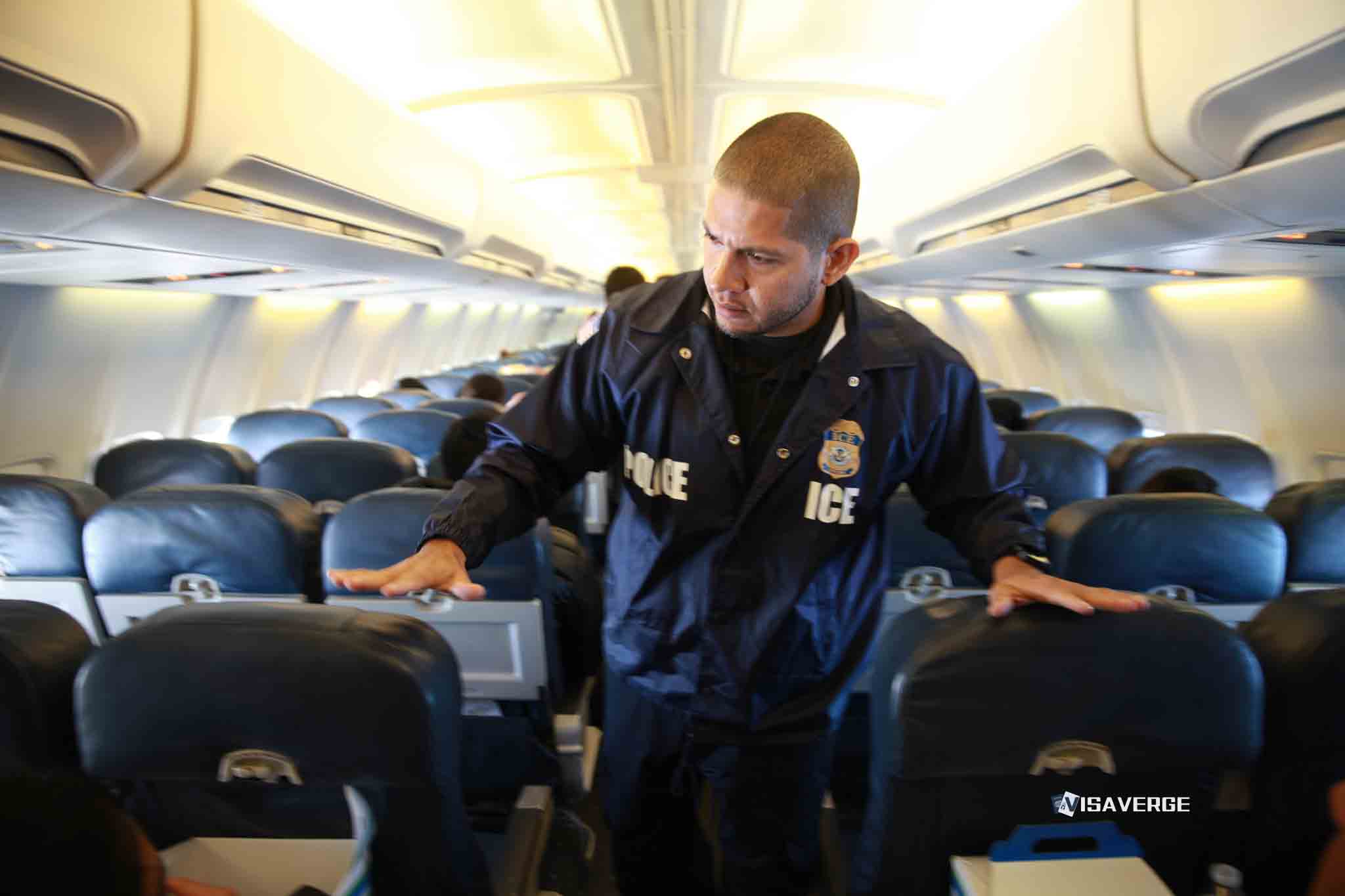
The pressure built quickly in early 2026. On January 7, 2026, the Department of Homeland Security launched what it called “the largest immigration enforcement operation ever carried out by the agency,” sending 2,000 federal agents and officers into the Twin Cities area in an operation later described as Metro Surge.
The 30-day federal operation in Minneapolis-St. Paul used roughly 2,000 ICE and HSI agents. It targeted immigration arrests and a broad fraud investigation tied to allegations of up to $19 billion in fraud involving federal nutrition, housing, and childcare programs within Minnesota’s Somali community.
Six days later, Secretary of Homeland Security Kristi Noem announced the termination of Somalia’s TPS designation. “Temporary means temporary. Country conditions in Somalia have improved to the point that it no longer meets the law’s requirement for Temporary Protected Status. Further, allowing Somali nationals to remain temporarily in the United States is contrary to our national interests. We are putting Americans first,” Noem said.
DHS followed that January 13 announcement with a message on official channels that read: “Our message is clear. Go back to your own country, or we’ll send you back ourselves.” The agency also directed Somalis to use the “CBP Home” mobile app to self-deport by March 17, 2026, in exchange for a $1,000 “exit bonus.”
For many Somali families in Minnesota, the combination of enforcement and rhetoric deepened fear. Minnesota has the largest Somali population in the United States, estimated at 80,000, and its closeness to the Manitoba border has made the province a natural destination for those trying to avoid deportation.
That fear rose further after a fatal encounter in early 2026 between ICE agents and a Somali woman in Minneapolis. The incident sparked protests and added to anxiety in a community already facing raids, work authorization reviews and public warnings from U.S. officials.
The legal picture shifted again in March. USCIS said on March 27, 2026, that the termination of Somalia’s TPS, which had been set to take effect on March 17, had been stayed by the U.S. District Court for the District of Massachusetts in African Communities Together et al. v. Noem et al.
USCIS quoted the court action in an alert posted to its newsroom: “On March 13, 2026, the U.S. District Court for the District of Massachusetts issued an order staying the TPS Somalia termination. The validity of Employment Authorization Documents (EADs). is extended per court order.” The agency posted that update here.
Even after that stay, the uncertainty did not lift. Somali nationals had already begun leaving, or making plans to leave, as they weighed the risk of deportation against the uncertainty of seeking asylum in Canada.
The court order preserved TPS for the time being, but many people had already lost jobs or housing stability. Before the stay, employers had to re-verify work authorization by March 17, 2026, a deadline that led some Somalis to lose work.
That employment shock mattered in Minnesota, where Somali communities have longstanding roots and dense family networks. The loss of legal work authorization, even briefly, disrupted households that had relied on TPS and related employment documents to remain in place.
At the same time, the Canadian border did not offer the same opening that it once did. The Safe Third Country Agreement usually requires asylum seekers to claim protection in the first safe country they reach, although irregular crossers have historically used exceptions and loopholes to make claims in Canada.
Bill C-12 narrowed that path. The new law, formally called the Strengthening Canada’s Immigration System and Borders Act, bars asylum claims from people who have been in the United States for more than a year and ends certain exceptions for irregular border crossers.
That law took effect on March 26, 2026, after some Somali families had already arrived and others were still trying to decide whether to cross. Its effect has been to leave many people in limbo, unable to count on protection in the United States and unsure whether Canada will hear their claims.
Canadian authorities outlined the new measures in a March 2026 update available here. For Somali asylum seekers heading to Manitoba, the timing has made each decision more urgent.
The move north also reflects the geography of the region. The Twin Cities sit closer to Manitoba than many other parts of the United States where Somali communities live, making the province a practical route for those who fear arrest or removal.
That route has become more visible because of the intensity of enforcement in Minnesota. Metro Surge did not operate as a routine immigration action. DHS described it in sweeping terms and linked it to both immigration arrests and allegations of large-scale fraud.
Those allegations, pegged at up to $19 billion, involved federal nutrition, housing, and childcare programs within Minnesota’s Somali community. The claims added another layer to the crackdown, widening its scope beyond people with uncertain immigration status.
The January enforcement push and the TPS termination announcement landed in the same week. Together, they sent a message that Somali nationals in Minnesota could face both closer scrutiny and the loss of lawful status.
DHS posted the TPS termination announcement here. The decision targeted a form of protection that had allowed Somali nationals to live and work in the United States because conditions in Somalia made return unsafe.
For those affected, the later court stay did not erase what had already happened. Families had already made choices about jobs, leases, travel and asylum claims on the assumption that TPS would end on March 17, 2026.
That left Manitoba receiving people during a narrow and changing window. Some crossed before Bill C-12 took effect. Others arrived as the new rules came into force, or after, when the legal barriers had already grown.
The phrase Temporary Protected Status has become central to those choices. When that protection appeared set to end, Somalis in Minnesota faced the prospect of losing both lawful presence and work authorization at the same time the federal government expanded enforcement activity in their communities.
The crackdown’s language also shaped reactions. DHS’s statement — “Our message is clear. Go back to your own country, or we’ll send you back ourselves.” — circulated widely as Somalis weighed whether to remain in the United States, leave on their own or attempt to reach Canada.
In Manitoba, that translated into a rise in people seeking advice, shelter and legal help. Winnipeg advocates counted approximately 150 arrivals from the United States over three months, a figure that points to a movement tied both to policy and to fear.
The broader picture remains unsettled. The Massachusetts court order stopped the TPS termination for now and extended the validity of Employment Authorization Documents per court order, but the enforcement machinery in Minnesota has not disappeared, and the border rules in Canada have tightened.
That has left Somali nationals confronting two separate systems in motion. In the United States, they face an immigration crackdown in Minnesota, a court fight over TPS and the aftereffects of work authorization reviews. In Canada, they meet a narrower asylum process shaped by Bill C-12 and the Safe Third Country Agreement.
For families deciding whether to stay, go or cross, the border has become less an escape than a final gamble. The route into Manitoba remains close, but the choices on either side have grown harder since January.