- India orders a 25% reduction in landing and parking charges for domestic flights across 34 major airports.
- The measure provides Rs 400 crore in relief to help airlines offset rising fuel and operational costs.
- Effective immediately for three months, the move aims to curb airfare hikes amid geopolitical regional crises.
(INDIA) — India’s Airports Economic Regulatory Authority ordered a 25% reduction in landing and parking charges at major airports for domestic flights, a move the government said takes effect immediately for a three-month period as airlines face higher costs tied to the West Asia crisis.
The Ministry of Civil Aviation directed the Airports Economic Regulatory Authority to implement the cut across all 34 major airports under its jurisdiction, while the Airports Authority of India must apply the same reduction at non-major airports. Civil Aviation Minister Ram Mohan Naidu announced the measure on April 8, 2026.
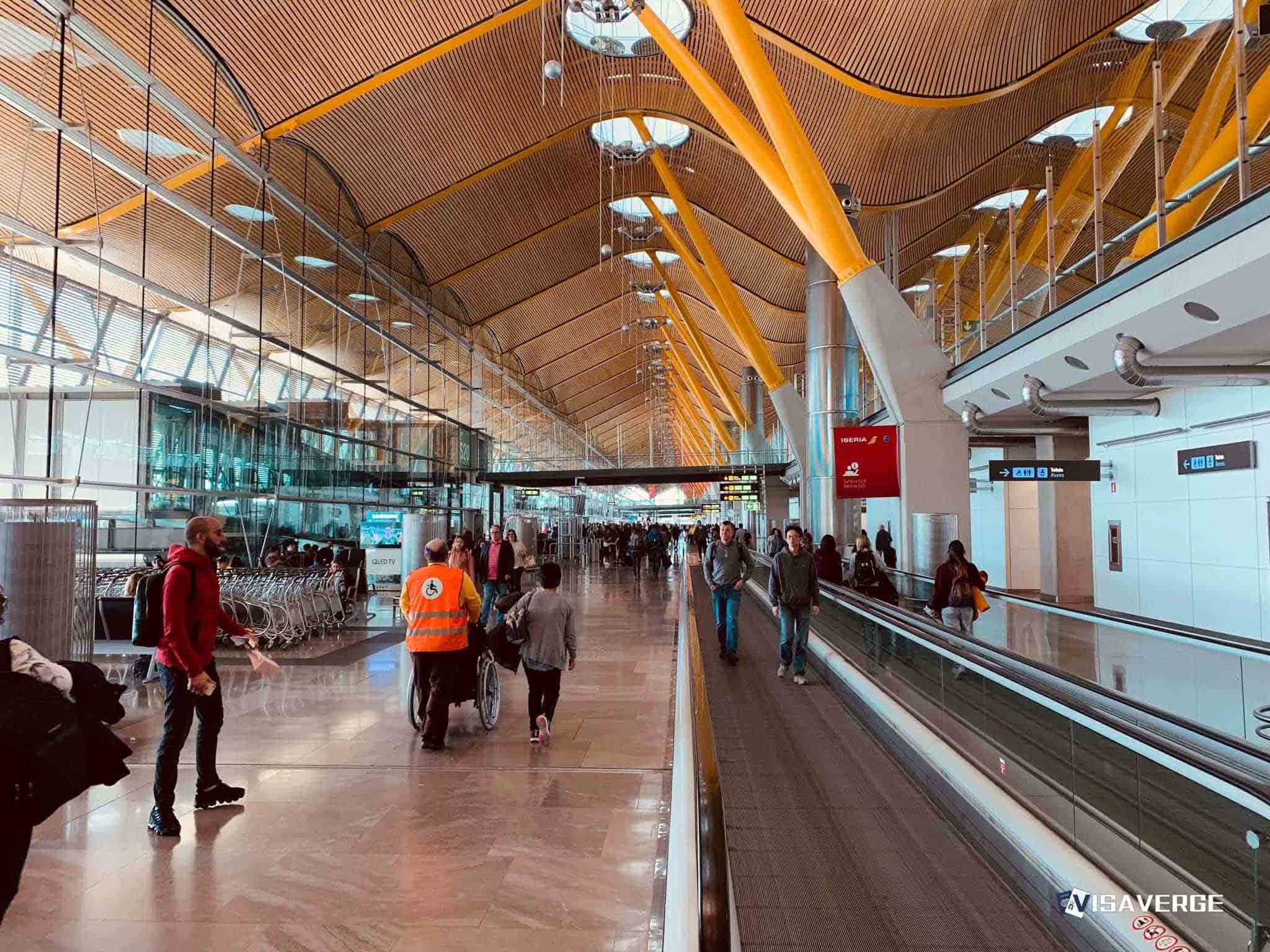
The reduction covers two charges used by airlines during normal airport operations: landing charges and parking charges. It applies only to domestic flights and will remain in force for 3 months.
Airports can recover any revenue shortfall through adjustments in the next tariff cycle. The move is expected to save airlines approximately Rs 400 crore over three months.
Naidu’s ministry framed the cut as a response to pressure building across the industry since around February 28, 2026. Carriers have faced higher operating costs linked to the West Asia crisis, including the Iran conflict, which has affected flight operations and pushed up expenses.
Pakistan’s airspace closure has added to those pressures by forcing longer routes and higher fuel burn. Airlines have also had to contend with a rise in aviation turbine fuel prices and a weaker rupee, which has increased dollar-denominated costs such as leasing and maintenance.
Domestic base ATF prices were hiked 25%, while international prices rose more than 100% this month. At the same time, the pass-through was capped at 25% for domestic carriers.
That combination has put airport-related costs in sharper focus. The International Air Transport Association notes that airport and navigation charges are airlines’ third-largest expense after fuel and labor.
IndiGo and Air India specifically requested the relief, placing the issue before the government as costs mounted. The fee cut gives both carriers, and other domestic operators, immediate room on two airport charges while leaving airports a path to recover foregone revenue later.
The order reaches across India’s airport network in two parts. The Airports Economic Regulatory Authority will apply it at major airports, and the Airports Authority of India will mirror the reduction at non-major airports.
For airlines, the effect is straightforward. A carrier operating a domestic service into an affected airport will pay less to land the aircraft and less to park it during the three-month window.
For airports, the arrangement delays rather than erases part of the revenue impact. Any shortfall can be recouped during the next tariff cycle, allowing the government to offer immediate relief to carriers without permanently cutting airport earnings.
The decision also reflects how quickly pressures outside India have fed into domestic aviation costs. The Iran conflict, Pakistan airspace closure, fuel price increases and rupee depreciation all hit different parts of an airline’s balance sheet at once.
Longer routings mean more fuel burn. Higher ATF prices raise direct operating costs. A weaker rupee drives up payments tied to dollars, including aircraft leasing and maintenance.
Against that backdrop, lowering airport charges offers one of the few immediate levers available to the government. Landing and parking fees sit inside a cost structure that airlines monitor closely, especially when fuel and labor remain their two biggest expenses.
The relief is limited in scope. It does not apply to all flights, only domestic ones, and it does not run indefinitely, only for 3 months.
Still, the government’s choice to make the cut effective immediately shows the urgency officials attach to the current cost environment. Airlines have been grappling with rising expenses since around late February, and the measure aims to ease some of that pressure without waiting for a longer tariff revision process.
The policy also carries a consumer angle. Officials tied the timing to an effort to curb airfare hikes as broader cost pressures build.
That timing aligns with upcoming assembly elections in states like Kerala and West Bengal. Keeping a lid on fares for domestic travelers adds a political dimension to a measure that is otherwise framed as operational relief for airlines.
The government has left open the possibility of additional steps. Officials indicated that further measures may follow if the crisis worsens.
The current reduction is also subject to review before it expires. That creates a built-in checkpoint near the end of the three-month period, when authorities can decide whether operating conditions still warrant support.
For now, the structure of the measure is narrow and targeted. It cuts charges at the airport end of airline operations, limits the benefit to domestic flights, sets a defined three-month duration and preserves a way for airports to recover the revenue later.
That balance matters in India’s aviation system, where regulators, airport operators and airlines each face different pressures. Carriers want near-term cost relief, while airports depend on tariff-backed income to support operations and investment.
By allowing recovery in the next tariff cycle, the government has tried to meet both concerns at once. Airlines get immediate savings, and airports avoid a permanent hit to their books.
The estimated Rs 400 crore in savings over three months gives a sense of the scale. Spread across the domestic market, that relief could help airlines absorb part of the cost increases coming from fuel, routing and currency movements.
The measure does not remove the broader pressures created by the crisis. Pakistan airspace closure still forces airlines onto longer paths, and ATF costs remain elevated.
Nor does it alter the effect of rupee depreciation on expenses paid in dollars. Leasing and maintenance bills still reflect that currency strain, which has become more pronounced as the rupee weakens.
Yet airport charges remain one of the areas where Indian authorities can act quickly. Because the Airports Economic Regulatory Authority oversees tariffs at major airports, and the Airports Authority of India can apply the same reduction at non-major airports, the order can move through the airport system without waiting for airlines to renegotiate a broader range of costs.
That administrative reach is part of why the decision matters. It turns a ministry directive into an immediate network-wide cut affecting major and non-major airports, rather than a piecemeal concession at a few facilities.
The split between regulators is also central to how the relief will work. The Airports Economic Regulatory Authority handles the 34 major airports under its jurisdiction, while the Airports Authority of India must carry the same reduction to the rest of the network.
For passengers, the measure’s success will likely be judged less by airport tariff mechanics than by fares. The government’s stated aim is to ease operational pressure on airlines and curb airfare increases at a time when cost escalation has become harder to absorb.
Whether that happens will depend on how much of the airport savings carriers retain and how much helps offset other rising expenses. Fuel, labor, route length and dollar-linked payments remain heavier burdens.
The order nonetheless marks a direct intervention in aviation costs at a moment of external strain. It links India’s domestic airport fee structure to a chain of events running from the West Asia crisis to the Iran conflict, from airspace restrictions to fuel markets and exchange rates.
IndiGo and Air India pushed for that intervention as the cost squeeze intensified. The government responded with a three-month fee cut that is immediate, limited to domestic flights and broad enough to cover airports across the country.
As the three-month window begins, airlines will pay less to land and park domestic flights, airports will defer part of their revenue and regulators will watch whether the crisis deepens. If it does, officials have already signaled that more measures could follow before the current relief runs out.