- The FAA proposed a $255,000 civil penalty against American Airlines for drug and alcohol testing violations.
- Twelve flight attendants allegedly returned to duty without completing mandatory follow-up testing after positive results.
- The violations spanned from 2019 to 2023 involving substances like cocaine, marijuana, and alcohol.
(UNITED STATES) — The Federal Aviation Administration proposed a $255,000 civil penalty against American Airlines on April 8, 2026, alleging the carrier allowed 12 flight attendants who tested positive for drugs or alcohol to return to safety-sensitive duties without completing required follow-up testing.
The agency said the alleged violations took place between May 2019 and December 2023. The positive tests involved alcohol, amphetamines, cocaine, marijuana, and methamphetamine.
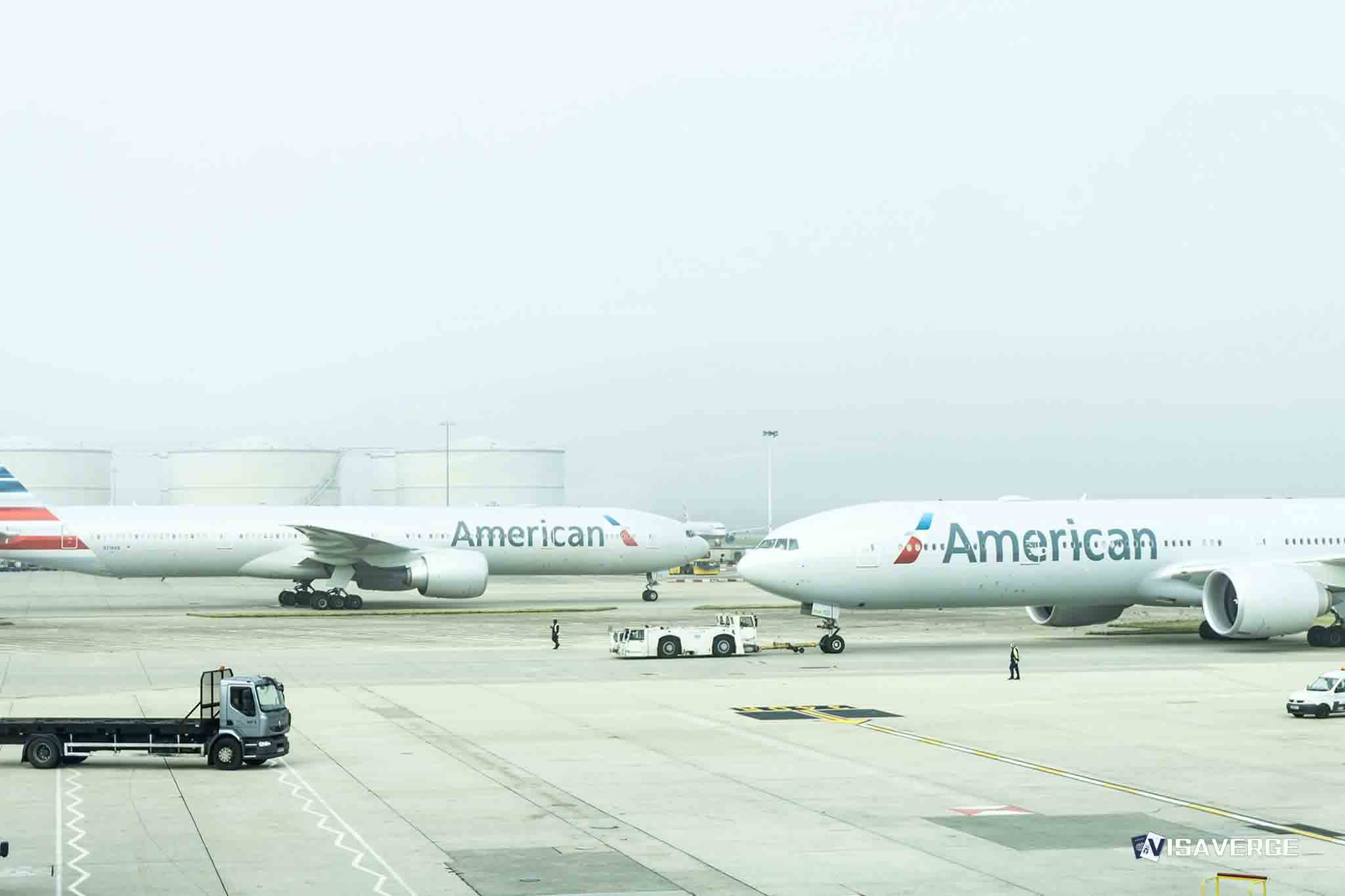
American Airlines now has 30 days from receiving the FAA enforcement letter to respond. The airline said it takes drug and alcohol testing seriously, has enhanced its programs for oversight and accountability, and is reviewing the notice while prioritizing safety.
The case centers on follow-up testing rules under 14 CFR Part 120, the FAA regulation that governs drug and alcohol testing for safety-sensitive airline employees. Flight attendants fall within that category, and the rule requires testing programs meant to keep employees who perform safety-related work in compliance before they return to duty.
For 2026, the regulation sets random drug testing at 25% of workers and random alcohol testing at 10%. It also requires follow-up testing after rehabilitation and return to work, a step the FAA says was not completed in the American Airlines cases cited in the proposed enforcement action.
That alleged gap is at the heart of the FAA penalty. The agency did not accuse the airline of a single event tied to one crew member, but of allowing 12 flight attendants to resume covered duties over a period stretching from May 2019 to December 2023 without the required testing after positive results.
The substances listed by the FAA covered both alcohol and illegal drugs. They included alcohol, amphetamines, cocaine, marijuana, and methamphetamine, placing the matter squarely within the federal testing regime for airline workers whose duties affect passenger safety.
An FAA penalty notice does not end the matter on the day it is issued. American Airlines has 30 days to answer the enforcement letter, giving the carrier a set period to respond to the allegations and the proposed FAA penalty.
American Airlines said it has already strengthened its internal approach. The airline said it has enhanced its programs for oversight and accountability while it reviews the notice and continues to prioritize safety.
The enforcement action places attention on how airlines administer post-violation steps, not simply the initial test itself. Under 14 CFR Part 120, a positive result does not end with the identification of a drug or alcohol issue; follow-up testing remains mandatory after rehabilitation and return to work.
That requirement serves a different function from random screening. Random testing, set at 25% for drugs and 10% for alcohol in 2026, casts a broad net across safety-sensitive employees, while follow-up testing applies after an employee has already tested positive and gone through rehabilitation before resuming duties.
In the American Airlines matter, the FAA alleges that follow-up testing did not occur before the employees resumed safety-sensitive work. That allegation is what supports the $255,000 proposed civil penalty announced on April 8, 2026.
The timeframe of the alleged violations also shows that the case spans several years rather than a narrow window. The FAA said the conduct occurred from May 2019 to December 2023, suggesting the agency reviewed a long period of compliance records in bringing the action.
The employees at issue were flight attendants, whose work the FAA classifies as safety-sensitive under 14 CFR Part 120. The regulation covers workers whose performance can affect the safe operation of air travel, which is why testing obligations carry both random screening and return-to-duty follow-up requirements.
The case arrives as the FAA pursues comparable enforcement against more than one airline. The agency has also proposed a $304,272 penalty against Southwest Airlines for 11 workers in a separate matter covering August 2021 to July 2024.
Taken together, the actions show the FAA addressing multiple airlines over similar drug and alcohol testing breaches. The American Airlines matter involves 12 flight attendants, while the Southwest case involves 11 workers and a larger proposed amount of $304,272.
The figures differ, but the regulatory issue is similar. In both matters, the FAA is focusing on compliance with drug and alcohol testing rules for safety-sensitive employees rather than a broad operational violation outside the testing system.
That gives the American Airlines case wider importance for the industry. Carriers must maintain drug and alcohol testing programs that do more than collect random samples on schedule; they must also track what happens after an employee tests positive and later seeks to return to work.
Documentation and timing matter in that system. A worker who completes rehabilitation and comes back to duty still remains subject to mandatory follow-up testing under 14 CFR Part 120, and the FAA’s allegation against American Airlines is that the employees resumed safety-sensitive duties without that requirement being completed.
The case also highlights how the FAA’s enforcement structure can reach conduct that unfolded over years. By citing alleged violations from May 2019 through December 2023, the agency framed the matter as a sustained compliance lapse involving multiple workers and multiple test results, not a one-off administrative error.
For airlines, the practical compliance lesson from the case is clear from the regulation itself. Drug and alcohol programs must cover random testing rates, monitor rehabilitation and return-to-work steps, and ensure required follow-up testing occurs before employees resume covered duties.
The American Airlines notice draws attention to the second half of that process. Screening can identify a problem, but the FAA’s action shows the agency is also examining whether carriers close the loop once a worker has tested positive and then reenters a safety-sensitive role.
That point carries weight for cabin crews because flight attendants are part of the aircraft safety structure, even though they are not pilots. Their duties are treated as safety-sensitive under federal rules, bringing them within the same regulated testing framework that the FAA uses to police compliance.
The enforcement timeline now shifts to the airline’s response. American Airlines has 30 days from receiving the FAA enforcement letter to answer the allegations and address the proposed civil penalty.
Until then, the matter stands as an FAA allegation, not a final adjudication. Still, the size of the proposed FAA penalty and the number of workers involved place the case among the agency’s more visible actions on drug and alcohol testing compliance.
The allegations also keep attention on the mix of substances that can trigger a case under the rule. The FAA listed alcohol, amphetamines, cocaine, marijuana, and methamphetamine in the American Airlines matter, reflecting the range of tests covered by the federal program.
For 2026, the baseline random testing rates remain 25% for drugs and 10% for alcohol under 14 CFR Part 120. The American Airlines case, however, shows that enforcement does not stop at those percentages; the agency is also policing the follow-up testing that must occur after rehabilitation and return to work.
American Airlines said it is reviewing the notice while prioritizing safety. The FAA action, and the parallel case against Southwest Airlines, leave airlines facing a clear message from regulators: safety-sensitive workers who test positive cannot return to duty unless every required step in the testing process has been completed.