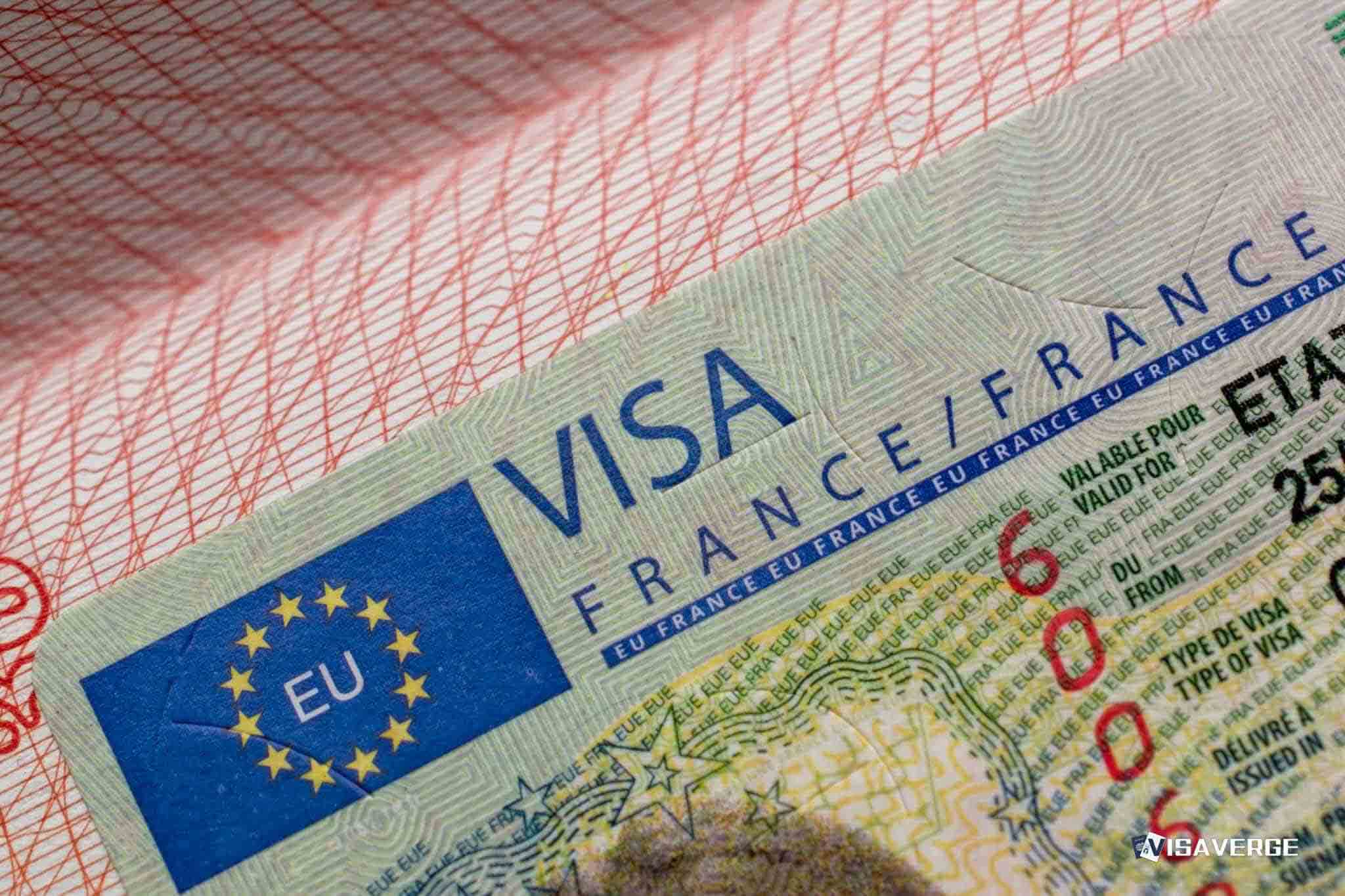
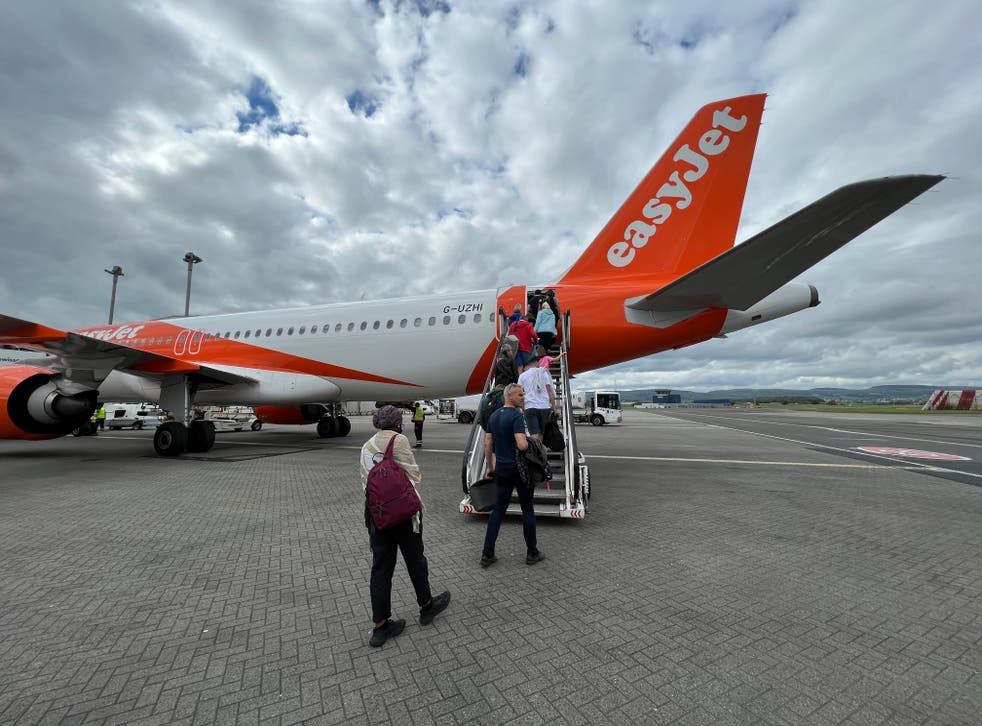
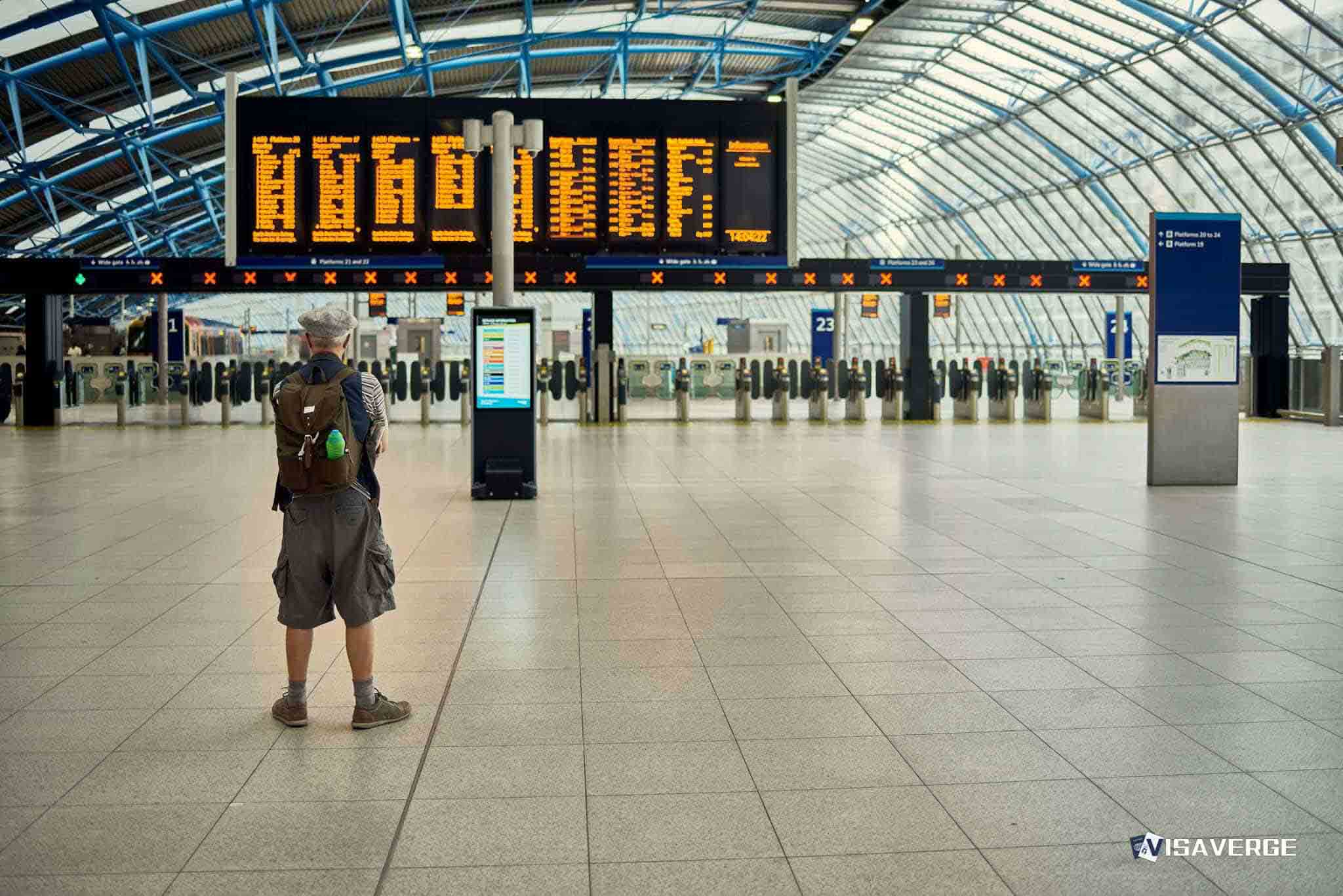
- The EU Entry/Exit System launch triggered four-hour border queues across 29 Schengen countries on April 10, 2026.
- Airlines and airports report significant flight disruptions with many passengers missing departures due to biometric processing delays.
- Industry groups are demanding emergency flexibility to suspend biometric capture during peak summer travel periods to avoid chaos.
(PARIS, FRANCE) — The European Union put the EU Entry/Exit System into full operation across 29 Schengen countries on April 10, 2026, and the first day brought border queues of 2-4 hours, missed flights and fresh demands from airport and airline groups for emergency flexibility.
Passenger wait times reached 2-3 hours at peak periods at airports across the Schengen area, even though border authorities could still use partial suspensions that let them skip biometric capture in some cases. Some reports warned of delays of up to 4 hours.
Flight operations felt the strain quickly. One UK-bound flight left with 51 passengers missing, while another reached gate closing with zero passengers present and 12 still on their way 90 minutes later.
The first-day disruption hit some of the busiest points in the network, including Paris-Charles-de-Gaulle, Orly, Lyon, Marseille, Nice, Toulouse, Bordeaux and Nantes in France, as well as Geneva, where waits of up to 4 hours had already been reported earlier in the rollout. The system has recorded more than 52 million crossings since its launch phase began in October 2025, along with more than 27,000 entry rejections and 700 security flags.
Under the new regime, non-EU nationals entering for short stays of up to 90 days in 180 days must provide 4 fingerprints and a facial photo at kiosks or booths on their first entry. That process replaces passport stamping and moves much of the border check into biometric registration.
Returning travelers face faster checks because their records are already in the system. The bottlenecks are forming around first-time users, who need more time at the control point and can slow the line behind them.
Olivier Jankovec, Director General of ACI EUROPE, and Ourania Georgoutsakou, Managing Director of A4E, urged the European Commission and EU member states on April 10 to allow full EES suspensions when queues become excessive. They also asked officials to extend both partial and full suspension options through the summer 2026 travel peak.
That push followed earlier warnings from ACI EUROPE, A4E and IATA in a joint statement dated February 11 to EU Commissioner Magnus Brunner. The groups described a “complete disconnect” between EU confidence and conditions at airports, and pointed to understaffing, technical failures and low use of the Frontex pre-registration app.
Business groups in France also pressed for relief as the system moved toward full deployment. MEDEF lobbied for grace periods that would let frequent travelers reuse prior biometric data, while multinational companies in Paris advised staff to build in longer layovers and postpone meetings.
The European Commission has defended the system’s operating assumptions, reporting average registrations of 70-second at full capacity, or just over 1 minute. Brussels has also stressed the security value of the database, including its ability to detect overstays, even as airports and airlines argue that the modeled processing time does not match conditions at crowded border posts.
The legal room for flexibility narrowed on the day full operations began. Member states’ broader suspension options ended fully on April 10, while partial options remain in place.
The rollout itself was phased over six months. EES started at 10% of ports on October 12, 2025, expanded to 35% by January 2026, reached 50% by March, and then moved to 100% coverage at 00:01 CET on April 10, 2026.
Problems had already surfaced during that staged launch. Portugal suspended the system fully in Lisbon in December 2025, Gran Canaria experienced crashes, and some locations reported processing time increases of 70%.
The scheme applies to 25 EU Schengen states and four associated countries, Iceland, Norway, Switzerland and Liechtenstein. Ireland and Cyprus remain outside it, while the rollout covering the UK, Eurotunnel and Dover has been delayed separately because of technical issues.
The breadth of the system explains why the first-day disruption drew such close attention from airlines, airports and border planners. It covers a vast travel zone where even short delays can spread quickly across connecting schedules, especially when border checks slow at the same time at several major hubs.
In practice, the first entry now carries the heaviest burden. A traveler reaching a Schengen border for the first time under EES must stop for fingerprint and facial capture, and every extra minute at the kiosk can feed into longer passenger wait times for everyone behind them, especially during wave departures and arrivals.
Industry groups had warned before full activation that airport staffing and technology were not keeping pace with the demands of the system. They also said the Frontex pre-registration app had seen low take-up, limiting one of the main tools that could have reduced pressure at the booth.
Those concerns took on more weight once queues formed on day one despite the availability of partial suspensions. Airports and airlines are now pressing for a tool that would let authorities halt the process entirely when lines become too long, rather than trying to absorb traffic through a slower system.
Officials backing the program have tied it to tighter external border management. By recording entries and exits digitally instead of relying on manual stamps, the system is designed to identify people who overstay and to flag security concerns more quickly across participating states.
Summer now looms as the next test. Airports and carriers expect heavier volumes in the coming months, and some companies have already adjusted plans by leaving more time between flights and shifting meetings to avoid the worst of the early disruption.
Travelers heading into the Schengen countries this summer face a simple reality at the border. First-time users should expect queues behind other first-time users, carry the papers needed for admission in case of refusal risks, and watch airline and airport updates as traffic builds.