- Mexican Special Forces killed cartel leader El Mencho during a military operation in Tapalpa, Jalisco.
- Major airports in Puerto Vallarta and Guadalajara closed following widespread cartel retaliation and roadblocks.
- U.S. and Canadian authorities issued shelter-in-place orders for travelers and residents across several Mexican states.
(JALISCO, MEXICO) — Mexican Special Forces killed Nemesio Rubén Oseguera Cervantes, known as “El Mencho” and leader of the Jalisco New Generation Cartel (CJNG), during a military operation in Tapalpa, Jalisco, on February 22, 2026, triggering airport closures, flight cancellations and shelter-in-place warnings that rippled across key tourist gateways including Puerto Vallarta and Guadalajara.
Airlines halted or cut service as cartel retaliation spread across parts of Jalisco and beyond, disrupting road access to airports and leaving travelers scrambling for updates on Monday with no confirmed timeline for resuming normal operations.
The death of El Mencho put two of western Mexico’s busiest travel nodes—Puerto Vallarta’s airport (PVR) and Guadalajara’s airport—at the center of a fast-moving security crisis, with videos showing smoke over Puerto Vallarta and travelers running inside both terminals, dropping luggage and taking cover behind chairs and desks.
In Tapalpa, El Mencho was wounded in a clash that killed four people at the scene, then died while being airlifted to Mexico City with two other injured cartel associates.
Cartel retaliation followed quickly, with members setting vehicles ablaze, blocking highways with roadblocks and clashing with authorities across Jalisco and other states, in unrest that emptied parts of Guadalajara and prompted school closures.
Puerto Vallarta (PVR) and Guadalajara airports closed due to the retaliation, setting off widespread flight cancellations that began February 22 and continued into February 23, as passengers faced uncertainty over whether they could reach terminals safely or depart as scheduled.
With roadblocks reported and violence flaring across multiple areas, many travelers in and around Puerto Vallarta and Guadalajara found themselves weighing whether to remain in place, attempt ground travel to alternative cities, or wait for airlines to announce waivers and rebooking options.
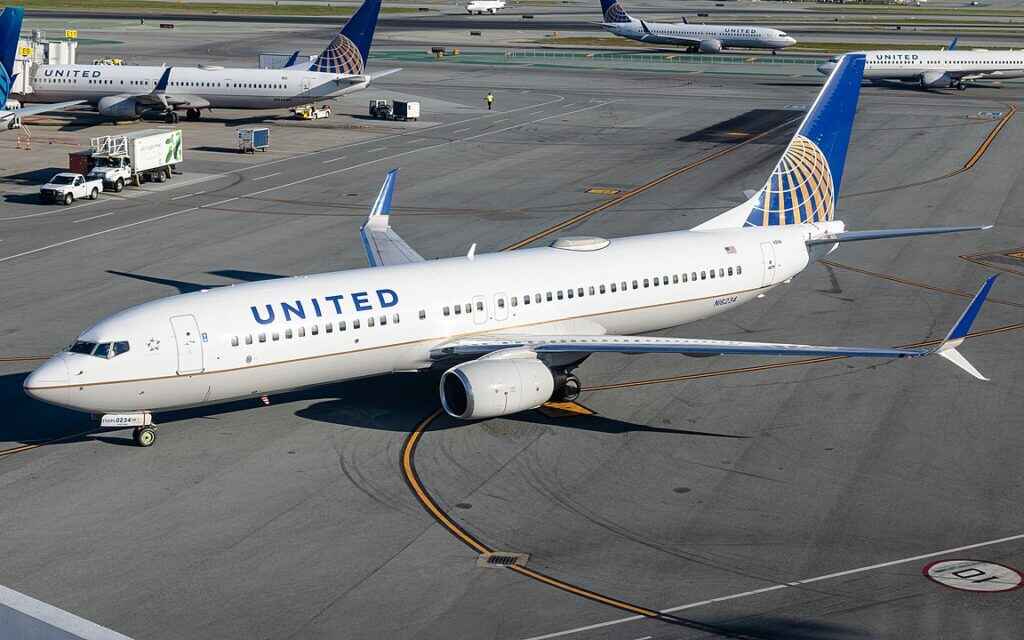
United Airlines canceled all flights to and from Puerto Vallarta (PVR) and Guadalajara.
Delta Air Lines said flights to and from PVR and Guadalajara were affected by civil unrest through February 26 and issued a travel advisory.
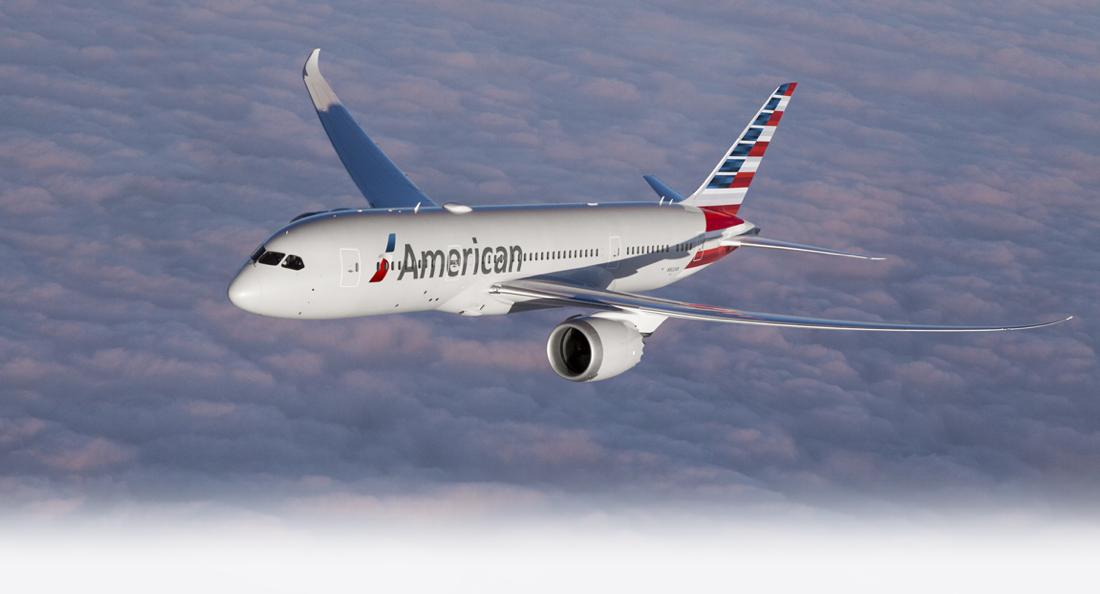
American Airlines halted remaining Sunday service to Puerto Vallarta, Guadalajara, and Mazatlán, widening the disruption beyond Jalisco’s two main airports as operations across the region absorbed knock-on effects.
Southwest Airlines canceled all four inbound and four outbound flights to Puerto Vallarta on February 22.
Air Canada suspended operations to Puerto Vallarta due to the security situation and advised customers not to go to airports.
Alaska Airlines canceled flights from Seattle (SeaTac) to Puerto Vallarta, affecting a key U.S.-Mexico leisure route as airlines reduced exposure to rapidly changing conditions on the ground.
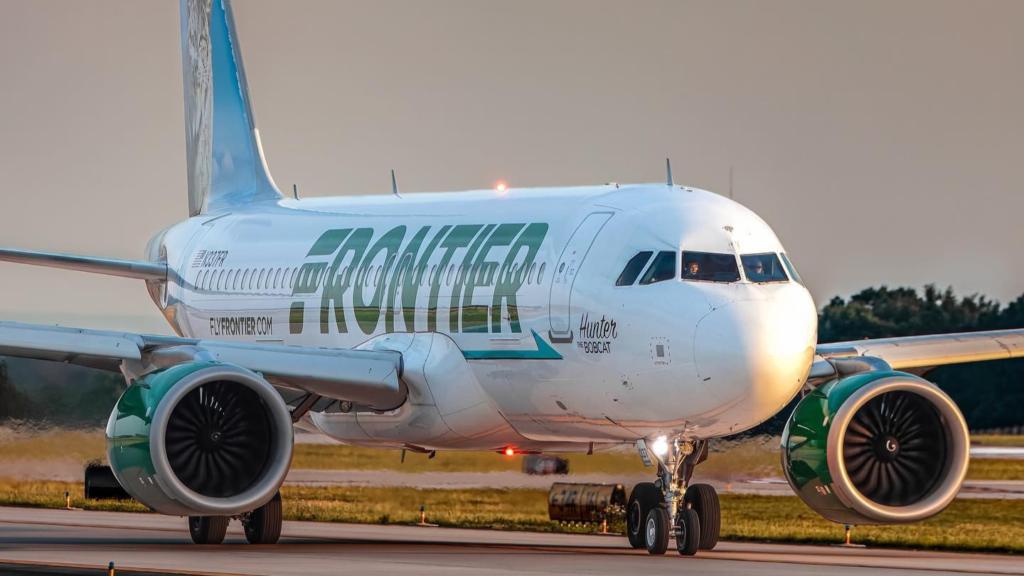
Frontier, JetBlue, Spirit, and Sun Country advised customers to check airline policies for Puerto Vallarta disruptions, as carriers issued updates that could change by the hour depending on airport access and security conditions.
By February 23, the scale of disruption remained high for passengers who had planned to fly into or out of Puerto Vallarta and Guadalajara, with cancellations spreading across multiple carriers and travelers facing limited alternatives while airports remained closed and road access appeared unstable.
ALG Vacations reported PVR closed with no reopening information, directing customers to contact airlines for rebooking, cancellations, or waivers, many of which were issued without fees.
For travelers, the closures created immediate practical problems beyond the terminals themselves, including reaching hotels, arranging ground transportation and deciding whether to shelter in place as smoke, roadblocks and clashes were reported in parts of Jalisco.
The U.S. State Department directed citizens in Jalisco—including Puerto Vallarta, Guadalajara, and Chapala—to remain indoors until further notice, and extended the same shelter-in-place guidance to Tamaulipas (Reynosa and others), Michoacán, Guerrero, and Nuevo León.
Canada’s embassy told citizens in Puerto Vallarta to shelter in place, keep a low profile in Jalisco, and avoid non-essential travel.
The government guidance reinforced the sense of urgency for tourists and residents caught amid the sudden shutdown of travel corridors, as airlines weighed crew safety, aircraft positioning, and the feasibility of operating in and out of airports affected by unrest.
U.S. Deputy Secretary of State Christopher Landau described the death as a turning point and linked it to U.S. support, saying on February 22: “Mexican security forces have killed ‘El Mencho’. This is a great development for Mexico, the US, Latin America, and the world.”
The Mexican Defense Ministry confirmed bilateral cooperation, while White House Press Secretary Karoline Leavitt noted U.S. intelligence assistance in Tapalpa.
President Donald Trump posted on Truth Social: “We’re winning too much, it’s just not fair!”
The operational impact for airlines and travelers remained unsettled on February 23, with no reopening timeline announced for the airports even as carriers published advisories and cancellation notices and urged passengers to monitor updates.
Tourists in areas like Sayulita were told to return to hotels and shelter indoors, adding to the sense of isolation for visitors who had expected to move freely along the coast but instead faced warnings to stay inside.
Jalisco’s governor suspended public transit and in-person schooling on February 23, a move that underscored how the unrest had expanded from an isolated operation in Tapalpa into a broader disruption affecting daily life and mobility in parts of the state.
In Puerto Vallarta, videos showed plumes of smoke as violence and retaliation played out in view of areas popular with tourists, while inside the airport footage showed travelers sprinting through the terminal and taking cover.
In Guadalajara, Mexico’s second-largest city, the unrest and roadblocks hit a major transport hub that normally serves as a gateway for business and family travel as well as connections onward to other parts of the country, and the sudden airport closure added pressure to already strained ground routes.
The events put a sharp focus on how quickly security conditions can change along well-traveled corridors linking coastal resorts and major urban centers, with Puerto Vallarta and Guadalajara both central to tourism and commerce in Jalisco.
El Mencho’s reported death in Tapalpa also set off fears of further retaliation, as roadblocks and vehicle fires cut through movement across Jalisco and into other states, complicating efforts by passengers to reach safe locations or relocate to other airports.
Airlines’ responses varied by carrier and route, but the overall picture for February 22 and February 23 was consistent: widespread cancellations, suspended operations, and shifting advisories tied directly to the security situation.
United’s decision to cancel all flights to and from Puerto Vallarta and Guadalajara removed two major U.S. airline links into Jalisco at the height of the winter travel season.
Delta’s advisory window through February 26 signaled expectations of prolonged disruption, while American’s halt to remaining Sunday service to Puerto Vallarta, Guadalajara, and Mazatlán showed how schedules across the broader region could be affected as aircraft and crews were repositioned or held back.
Southwest’s cancellation of eight Puerto Vallarta flights on February 22 highlighted the immediate hit to inbound and outbound capacity at PVR, where travelers typically rely on frequent short-haul links for quick returns to the United States.
Air Canada’s suspension and its guidance that customers should not go to airports reflected the ground-level uncertainty around access and safety, a concern echoed by government shelter-in-place orders covering Puerto Vallarta and Guadalajara.
For travelers already in Puerto Vallarta or Guadalajara, the closure of airports and the reports of highway blockades meant even short trips across town could become difficult, with passengers forced to reassess plans in real time.
For those scheduled to arrive, the uncertainty extended to hotel bookings and onward travel, as passengers faced limited information about when airports could reopen and whether roads would remain passable.
The crisis also raised immediate questions about the reliability of regional routes for the next several days, as airlines worked through cancellations and customers attempted to secure rebookings or refunds while waiting for authorities to stabilize conditions.
Even as officials in Mexico and the United States emphasized cooperation and intelligence assistance tied to the Tapalpa operation, daily life in parts of Jalisco shifted abruptly into a defensive posture, with public transit suspended and schools closed in person.
As February 23 unfolded, the lack of a reopening timeline for Puerto Vallarta and Guadalajara airports left airlines and passengers in a holding pattern, with travelers directed to their carriers for the latest rebooking options, cancellations, and waivers while shelter-in-place warnings remained in effect across parts of Jalisco.