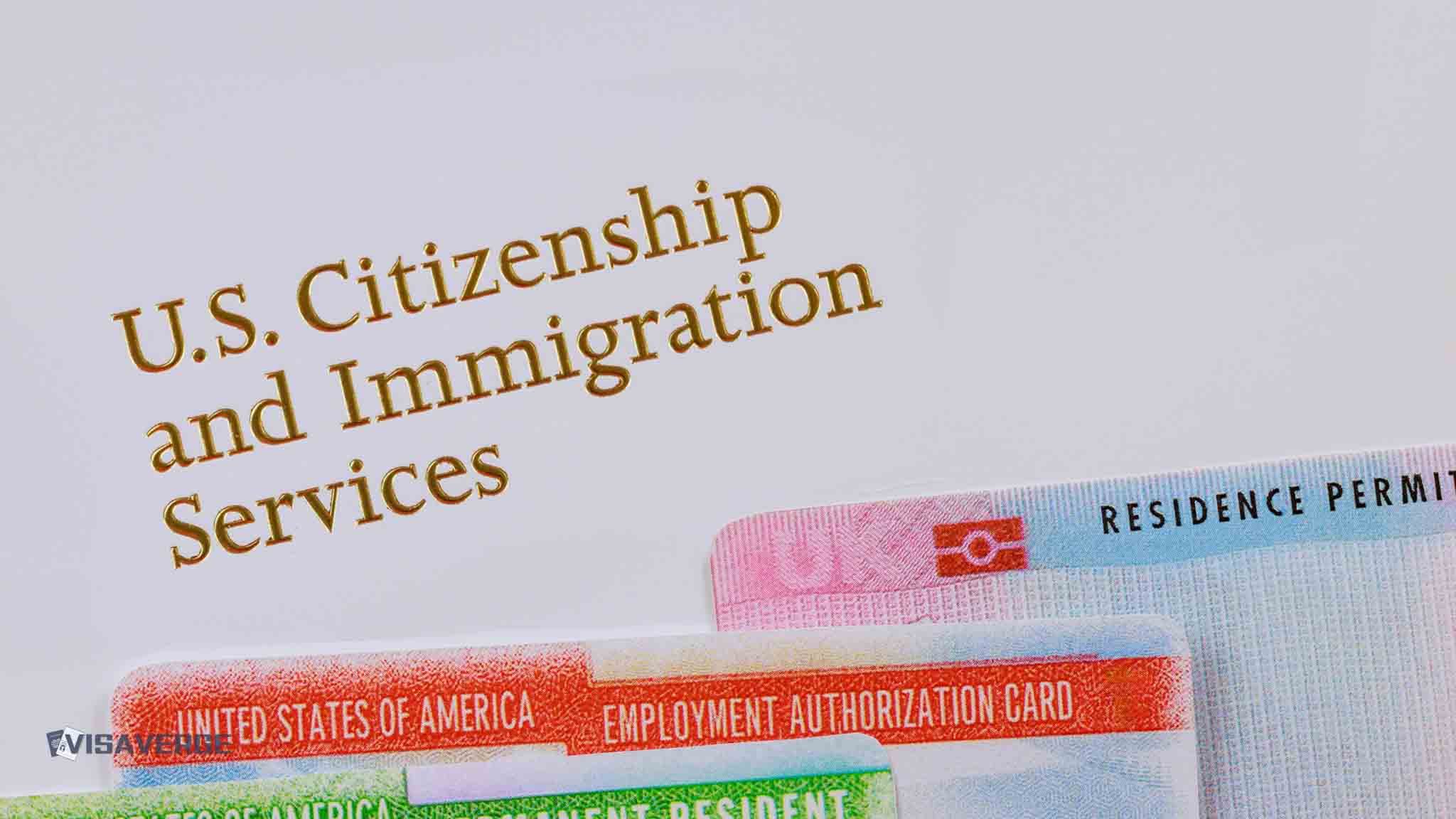
- U.S. citizens are increasingly carrying passports daily due to heightened immigration enforcement and federal rhetoric.
- Recent high-profile killings of American citizens by ICE agents have severely eroded public trust in assurances.
- CBP officials sparked debate by claiming Real IDs are not valid proof of immigration status for citizens.
(UNITED STATES) — Americans are increasingly carrying US passports for routine errands, domestic flights and daily travel as immigration enforcement actions by ICE and statements from federal officials deepen fears that citizenship alone may not shield them from questioning or detention.
That shift has accelerated by April 9, 2026, after a string of high-profile incidents, expanded enforcement programs and public confusion over what identification U.S. citizens should carry. DHS has maintained that its officers do not target citizens, but the behavior of many Americans suggests that assurance has not eased concerns.
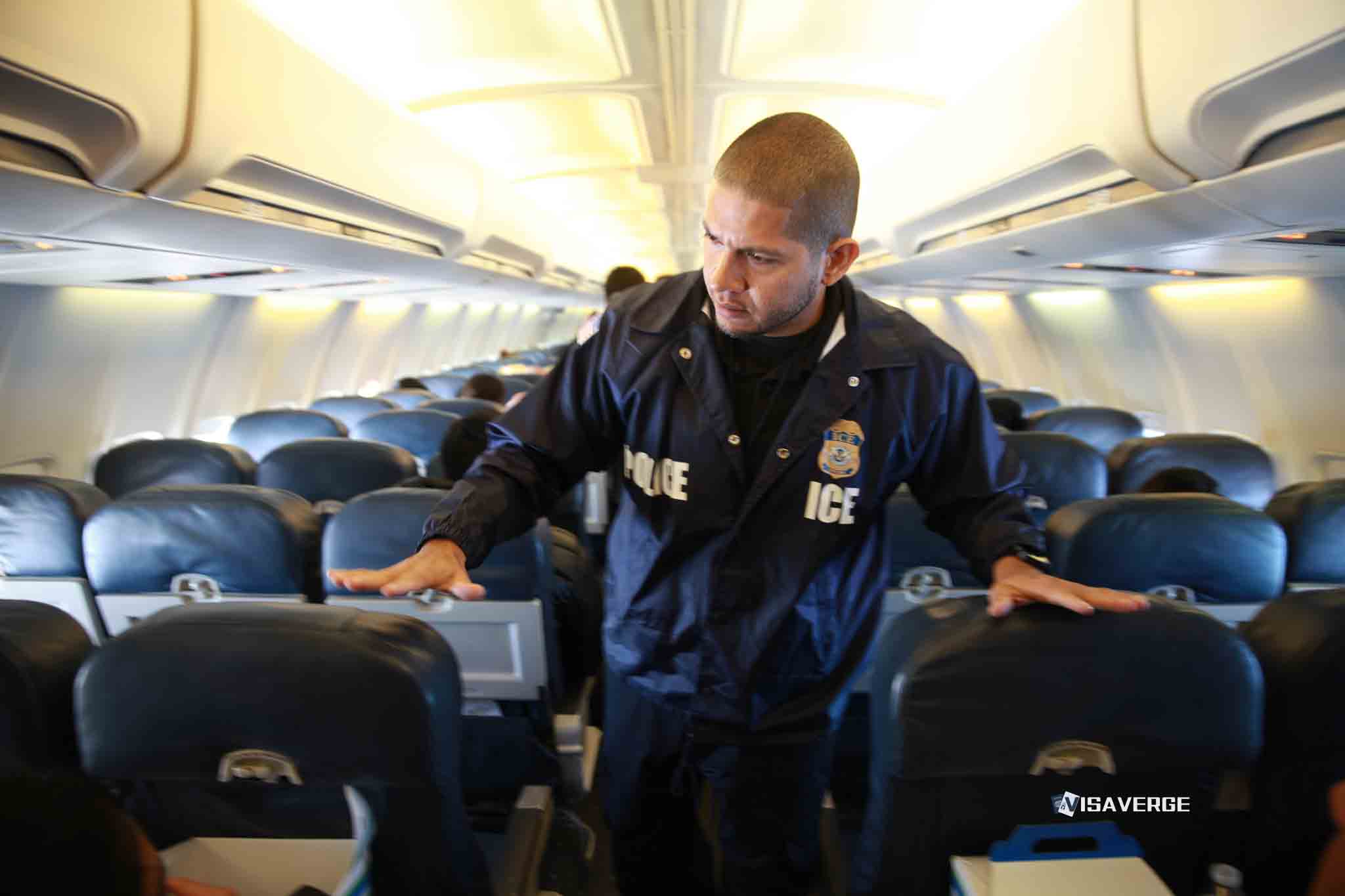
Department of Homeland Security Secretary Kristi Noem and other officials have framed recent operations as focused on people unlawfully in the country. At the same time, killings involving federal agents, reported detentions of U.S. citizens and debate over whether Americans should carry proof of citizenship have pushed more people to keep passports close at hand.
In a formal letter to tribal leaders on February 12, 2026, DHS Secretary Kristi Noem wrote: “Let me be unequivocal, ICE’s mission is singular and clear: to apprehend and remove individuals who are unlawfully present in the United States. ICE does not target, and will not target, Native Americans or any U.S. citizens based on appearance, ethnicity, or community affiliation.”
Weeks later, on March 3, 2026, Noem defended recent enforcement actions in Minneapolis during a Senate Judiciary Committee hearing. She refused to retract earlier descriptions of two U.S. citizens killed by federal agents as “domestic terrorists,” while insisting that agents “do not abide by quotas for arrests” and conduct only “targeted law enforcement.”
Earlier, a DHS press release dated January 6, 2026 highlighted Noem’s direct participation in a Minneapolis operation. In that statement, she said, “Under President Trump, we will expose and deliver accountability for the rampant fraud and criminality happening in Minnesota. Another murderer and sexual predator off of Minneapolis’s streets thanks to ICE.”
Noem had delivered a similarly forceful message months before. At a press conference in Gary, Indiana, on October 30, 2025 for Operation Midway Blitz, she said, “There’s no American citizens have been arrested or detained. We focus on those that are here illegally. And anything that you would hear or report that would be different than that is simply not true.”
Those comments have collided with a broader enforcement buildout. Operation Twin Shield, a joint effort involving USCIS, ICE and the FBI, launched in late 2025 and centered on the Minneapolis-St. Paul area. The operation flagged over 1,000 cases for fraud or ineligibility and marked the first use of “Homeland Defenders” — newly recruited USCIS officers authorized to carry out enforcement actions.
That mix of immigration screening and field enforcement has drawn fresh attention to the role of agencies that many Americans do not usually associate with street-level operations. It has also widened public scrutiny of what sort of documentation citizens believe they need to avoid being swept into encounters intended for non-citizens.
Data cited from late 2025 added to that unease. At least 170 U.S. citizens were detained by immigration agents in 2025, including approximately 20 citizens held for more than 24 hours without access to legal counsel.
Another policy shift has also added to the anxiety. For Fiscal Year 2026, USCIS has reportedly directed field offices to refer 100–200 denaturalization cases per month to the Department of Justice, far above the historical average of roughly 11 cases per year.
Together, those numbers have fed a sense among some communities that immigration enforcement now reaches more deeply into ordinary life. In practice, that has translated into citizens carrying passports to grocery stores, workplaces, traffic stops and airports.
Two fatal incidents in Minneapolis early this year became a turning point in that perception. On January 7, 2026, Renee Nicole Good, a 37-year-old U.S. citizen mother, was shot and killed by an ICE agent during a vehicle stop.
Just over two weeks later, on January 24, 2026, Alex Pretti, a 37-year-old nurse and U.S. citizen, was shot and killed by federal agents during an operation in the same city. Those deaths intensified fears that encounters with immigration agents could spiral quickly, even for citizens.
The public debate sharpened further in December 2025, when CBP Chief Gregory Bovino wrote in a social media post that “one must carry immigration documents as per the INA” and that “a Real ID is not an immigration document.” The statement triggered national debate over whether U.S. citizens had to carry documents proving citizenship.
Legal experts and a January 16, 2026 letter from Senator Dick Durbin said U.S. citizens are not legally required to carry proof of citizenship. Even so, Bovino’s post appeared to leave many Americans with the impression that a standard driver’s license might no longer protect them from detention during an immigration stop.
That confusion has had a direct effect on daily behavior. For some citizens, a passport has become the document they believe will end an encounter faster than a state license or other ID.
The people most likely to take that step are often those who already feel vulnerable to scrutiny. Reports indicate that the majority of citizens choosing to carry passports are people of color, particularly Latino and Somali-American citizens, who fear “collateral arrests” during street-level sweeps.
That pattern has raised concerns about racial profiling, even as DHS continues to insist enforcement is targeted. The gap between official statements and public behavior has become one of the clearest signs of how deeply the fear has spread.
Travel has become another pressure point. As of March 23, 2026, ICE agents had been deployed to several U.S. airports.
DHS said the agents were assisting with TSA staffing. At the same time, travelers reported agents checking ID documentation for domestic passengers, giving more citizens a reason to bring passports on flights within the United States.
For many Americans, airport encounters carry a different weight because they come in settings once viewed as routine and low-risk for citizens. A passport, long associated with international travel, is now being treated by some as a safeguard for domestic movement too.
The trend also reflects how quickly immigration enforcement has entered broader public consciousness. Twin Shield, Midway Blitz, airport deployments and denaturalization referrals have all contributed to a climate in which citizenship documents feel, to some, less optional than before.
Federal officials continue to present a different picture. Noem’s February 12, 2026 letter to tribal leaders drew a bright line between lawful targeted enforcement and discrimination, saying ICE would not target Native Americans or any U.S. citizens “based on appearance, ethnicity, or community affiliation.”
Yet the spread of passport-carrying among citizens points to a trust problem as much as an identification problem. When Americans begin treating proof of citizenship as part of their daily essentials, it signals that many no longer assume a verbal statement or a driver’s license will settle an encounter.
The friction between policy and perception has been reinforced by mixed messages from across the homeland security system. DHS has stressed that it is pursuing unlawful presence, fraud and criminality, while public statements such as Bovino’s and the record of citizen detentions have left many people unconvinced that ordinary citizens face little risk.
That concern reaches beyond border communities. Minneapolis has stood at the center of several recent operations and incidents, but the passport trend reflects a broader reaction to federal enforcement practices and rhetoric across the country.
People seeking official information on recent policy and enforcement actions can review the USCIS Newsroom, DHS Press Releases, ICE News Releases and Senate Judiciary hearings. Those records trace the language federal agencies have used as they defend operations that many citizens now view through a far more personal lens.
For now, the clearest sign of that shift may be simple and visible: more Americans are slipping US passports into pockets, purses and glove compartments before heading out the door, a quiet response to an era of immigration enforcement in which many citizens no longer feel certain that being American will be enough.