- China considers financial aid for airlines due to soaring jet fuel costs linked to the Middle East crisis.
- Proposed measures include subsidies, loans, and mergers to mitigate losses for major state-owned carriers.
- Fuel surcharges increased on April 5, 2026, as supply disruptions through the Strait of Hormuz hit Asia.
(CHINA) — China is considering government-backed financial aid for its state-owned airlines as surging jet fuel costs tied to the Iran war and a broader Middle East crisis deepen pressure on the sector.
Authorities are discussing measures that include preferential loans, subsidies, tax incentives and potentially airline mergers, as major carriers face mounting losses from tighter fuel supplies and higher operating costs.
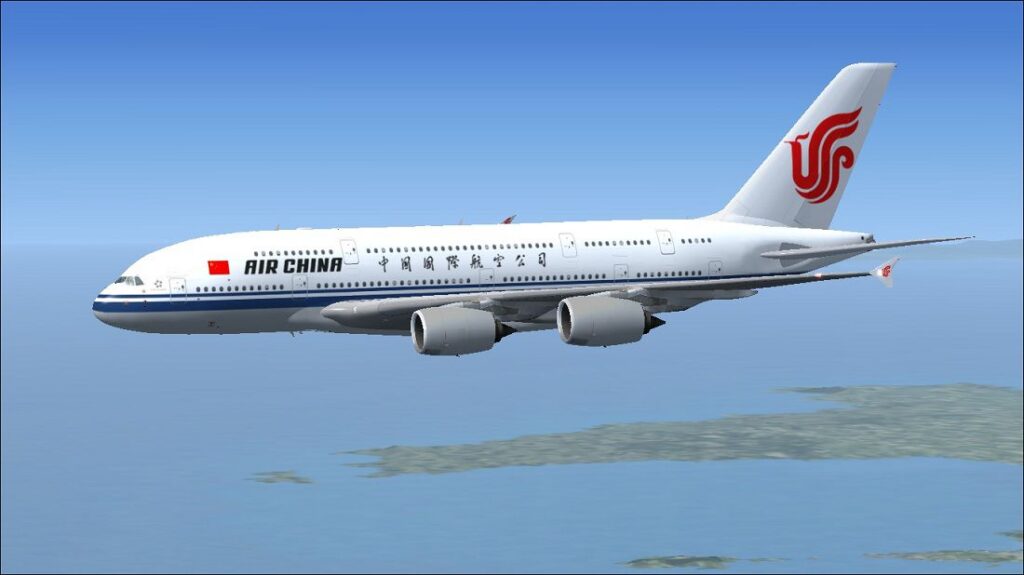
Air China (00753.HK), China Southern Airlines (01055.HK) and China Eastern Airlines (00670.HK) are at the center of those deliberations. All three are contending with constrained oil and jet fuel supplies linked to disruption around the Strait of Hormuz, a route that has shaken energy markets and raised concern over access to fuel.
The pressure comes as Chinese airlines also absorb the effects of tighter global jet fuel markets. Supplies have been squeezed as Asian refiners cut rates in response to constrained oil and jet fuel availability, while countries have imposed export restrictions.
That combination has pushed up fuel bills for airlines already operating in a difficult environment. Domestic fuel surcharges were raised starting April 5, 2026, shifting part of the burden onto travelers as carriers tried to cope with higher costs.
No final decisions or implementation timelines have been announced. The three major airlines have not commented on the deliberations.
The potential support would mark a fresh state response to a sector once again facing external shocks. It also recalls the bailouts provided during the Covid-19 pandemic, when China’s strict lockdowns hit airlines hard and prompted government lifelines.
Those earlier interventions followed a collapse in travel demand during the pandemic era. The latest strain comes from a different source, with China’s airlines now being squeezed by energy costs rather than lockdown-driven travel curbs.
For carriers, fuel remains one of the most immediate and volatile expenses. When oil and jet fuel supplies tighten, airlines can face losses even when they raise surcharges, because the increase in costs can move faster than they can recover it through fares.
That dynamic has sharpened as the Middle East crisis has disrupted flows through the Strait of Hormuz. The waterway is a choke point for oil shipments, and turbulence there has pushed stress through refining systems and into aviation fuel markets across Asia.
Asian refiners have cut rates as supplies tightened. Export restrictions have added to that pressure, leaving airlines in China and elsewhere to compete for costlier fuel in a more constrained market.
The result has been a broad oil shock that is feeding directly into airline finances. For Chinese state-owned carriers, that has brought renewed focus on whether the government will step in with support similar to the assistance seen during the pandemic.
Any aid package could take several forms. Preferential loans would offer airlines cheaper financing. Subsidies could offset some of the jump in fuel costs. Tax incentives could ease pressure on cash flow. Merger talks, if pursued, would point to a more structural response.
Even so, the discussions remain at the deliberation stage. Officials have not announced which, if any, of the measures will be adopted, and no timetable has been set for possible implementation.
Market trading reflected the strain on the airlines. China Southern Airlines fell 0.120 HKD, a decline of -2.804%, with short selling at $12.35M and a 13.545% ratio.
China Eastern Airlines fell 0.100 HKD, a decline of -2.488%, with short selling at $18.90M and an 18.953% ratio.
Those moves underscored investor concern about the effect of rising fuel costs on airline earnings. With no decision yet on state support, the market has had little concrete guidance on how far Beijing may go to shield carriers from the oil shock.
Air China, China Southern and China Eastern occupy a central role in the country’s aviation system, which is why any support discussion carries weight beyond the companies themselves. Their finances matter not just to shareholders but to domestic air connectivity and the wider transport network.
The recent increase in domestic fuel surcharges starting April 5, 2026 showed how quickly pressure from fuel markets can filter into the passenger business. Airlines often turn to such surcharges when fuel prices rise sharply, but they do not eliminate the underlying exposure to higher jet fuel costs.
That exposure has become more acute because the squeeze is not limited to crude oil alone. The disruption has hit refined products as well, leaving airlines to grapple specifically with costlier jet fuel, the product most directly tied to flight operations.
China’s deliberations also highlight the degree to which events outside its borders can affect its airline sector. The Iran war and the wider Middle East crisis have sent stress through oil supply chains, and Chinese carriers are now dealing with the fallout in their balance sheets.
The mention of possible airline mergers points to the breadth of options under discussion. Loans, subsidies and tax breaks would offer financial relief, while merger moves would suggest a longer-term effort to reshape the sector if policymakers conclude that the oil shock could leave more lasting damage.
For now, though, the process remains unresolved. Officials have not set out the form of any package, and the three major airlines have stayed silent on the discussions.
That silence leaves the market watching for the next signals from Beijing. Investors will be looking for any formal statement from government officials, while the airlines themselves will be under pressure to show how they are managing costs as jet fuel markets remain tight.
Fuel surcharges will also be closely watched. Any further adjustment could indicate that airlines see little relief in current fuel prices and continue to face pressure from constrained supply and elevated costs.
Merger discussions, if they advance, would draw equal attention. Such talks would go beyond temporary support and suggest that authorities are considering broader changes to shore up state-owned airlines against prolonged financial stress.
The comparison with Covid-19 remains one of the clearest markers of how seriously the current situation is being treated. During the pandemic, strict lockdowns severely affected airlines and forced the government to provide lifelines. The latest deliberations point to another period in which the state may again need to support the sector.
Yet the nature of this shock is different. Covid-19 slashed travel demand. The present strain comes from the supply side, with oil and jet fuel markets disrupted by conflict and by restrictions that have tightened access to fuel.
That distinction matters for how any response might be shaped. Relief tied to fuel costs, financing and taxes would directly address the pressure now bearing down on carriers, while merger options would suggest officials are considering whether the current shock could expose deeper weaknesses.
The stock declines in China Southern and China Eastern offered a snapshot of that anxiety. Both carriers posted losses in trading, and the short-selling figures showed active bets against the shares as uncertainty over fuel costs and government support persisted.
No such market figures were listed for Air China in the latest details, but the airline is among the carriers named in the deliberations. Along with China Southern and China Eastern, it faces the same tightening global market for jet fuel and the same uncertainty over how quickly costs may ease.
For China, the question now is whether the oil shock will require another state-backed rescue for aviation and, if so, how broad that support will be. The answer will depend on decisions that have not yet been announced.
Until then, the sector remains caught between rising fuel bills, a disrupted flow of oil through the Strait of Hormuz and a wait for Beijing to decide whether loans, subsidies, tax incentives or mergers will form the next lifeline for its airlines.