- South Africa’s Cabinet approved a fundamental reform merging citizenship, immigration, and refugee acts into one legislation.
- A new First Safe Country principle will deny asylum to those passing through other safe nations.
- The system transitions to points-based residency rewarding skills and investment over simple duration of stay.
(SOUTH AFRICA) — South Africa’s Cabinet approved the Revised White Paper on Citizenship, Immigration and Refugee Protection on April 1, 2026, clearing the way for immediate implementation of what the Department of Home Affairs has called the most “fundamental policy reform in a generation.”
The overhaul aims to replace three separate acts — the Citizenship, Immigration, and Refugees Acts — with a single, consolidated piece of legislation. Officials have cast the move as a broad reset of how South Africa handles citizenship, migration and refugee protection.
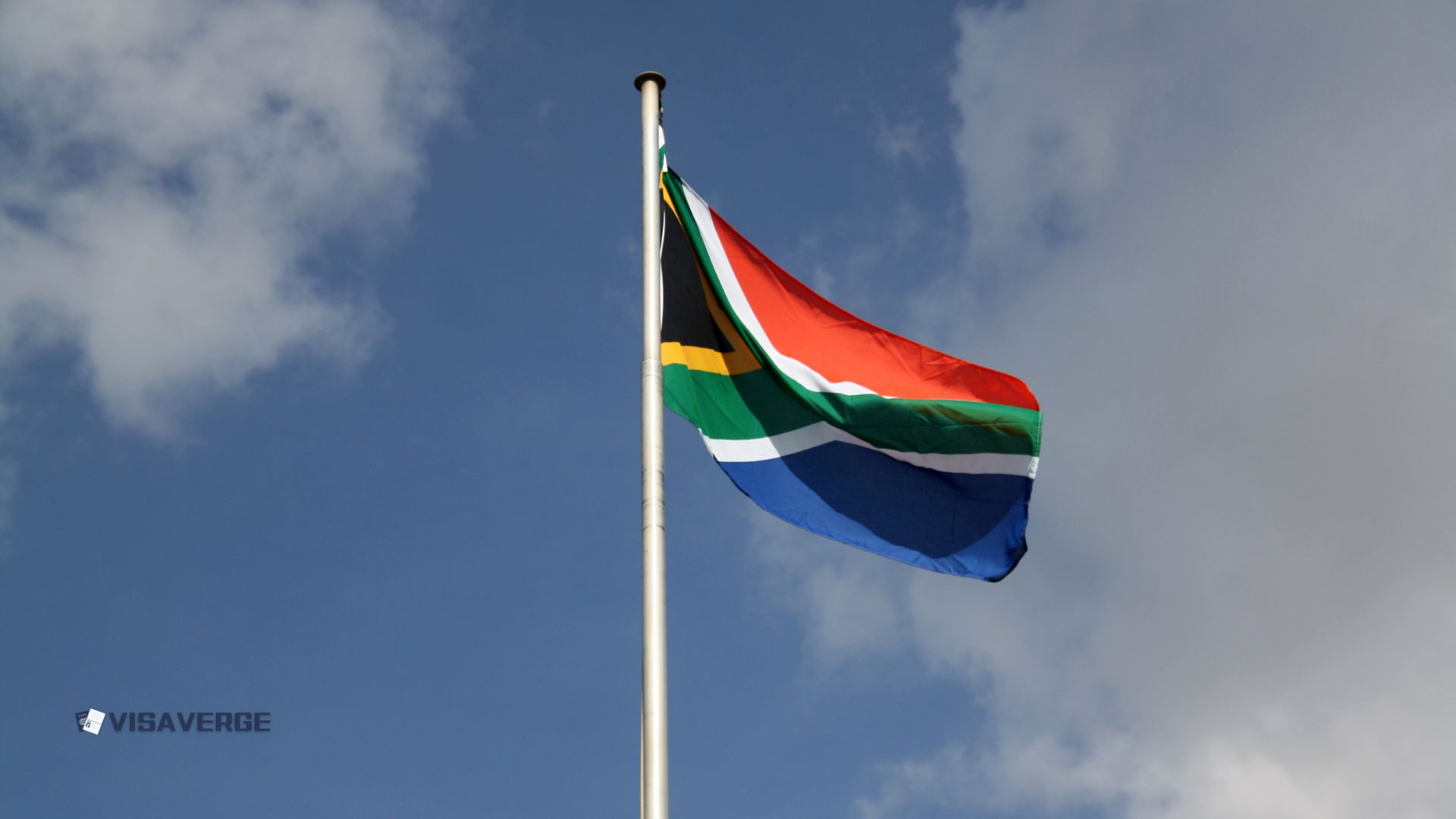
Home Affairs Minister Dr. Leon Schreiber said on April 8, 2026, “The policy direction outlined in the White Paper charts a new course for our country to build modern, efficient and secure systems that serve South Africa’s interests. ensuring they are fit for purpose for generations to come.”
The Cabinet decision marks a shift toward tighter border and asylum controls alongside a more selective approach to residency and citizenship. It also comes as South Africa faces domestic pressure over illegal immigration, fraud and long-running administrative backlogs.
At the center of the reforms is a new “First Safe Country” principle. Under that approach, South Africa will deny asylum to people who passed through other safe third countries before reaching its borders, a change meant to curb what Minister in the Presidency Khumbudzo Ntshavheni called “asylum shopping.”
That measure is expected to affect many asylum seekers who arrive by land after traveling through neighboring stable countries such as Zimbabwe, Botswana or Namibia. For those applicants, access to South Africa’s asylum system becomes far narrower.
Another change replaces a time-based path to naturalization and permanent residency with a Points-Based System. Instead of focusing on years of residence, the new model will score applicants on skills, investment, and social contribution.
The government also plans to create a Citizenship Advisory Panel, known as CAP, to oversee all naturalization applications. Officials say the panel will help ensure objectivity and clear the existing backlog.
Visa rules will also change. South Africa will merge the “Critical Skills” and “General Work” visas into a single Skilled Worker visa, while adding standalone categories for Remote Work, Start-ups, and Sports and Arts professionals.
Sectoral Work Visas will replace the previous Corporate Visas. The aim is to align work migration more closely with specific industrial needs rather than using a broader employer-based category.
Digital systems form another large part of the package. The government will require mandatory biometrics for all foreign nationals through a new Intelligent Population Register, or IPR, and roll out an Electronic Travel Authorisation system.
Together, those steps point to a model that combines stricter enforcement with a more targeted recruitment of migrants seen as economically useful. Skilled professionals who meet economic thresholds are expected to face a faster and easier route to live and work in the country under the new framework.
South African citizens also stand to see changes in the labor market. The government has reserved specific trades and professions solely for citizens in a move designed to protect local labor markets.
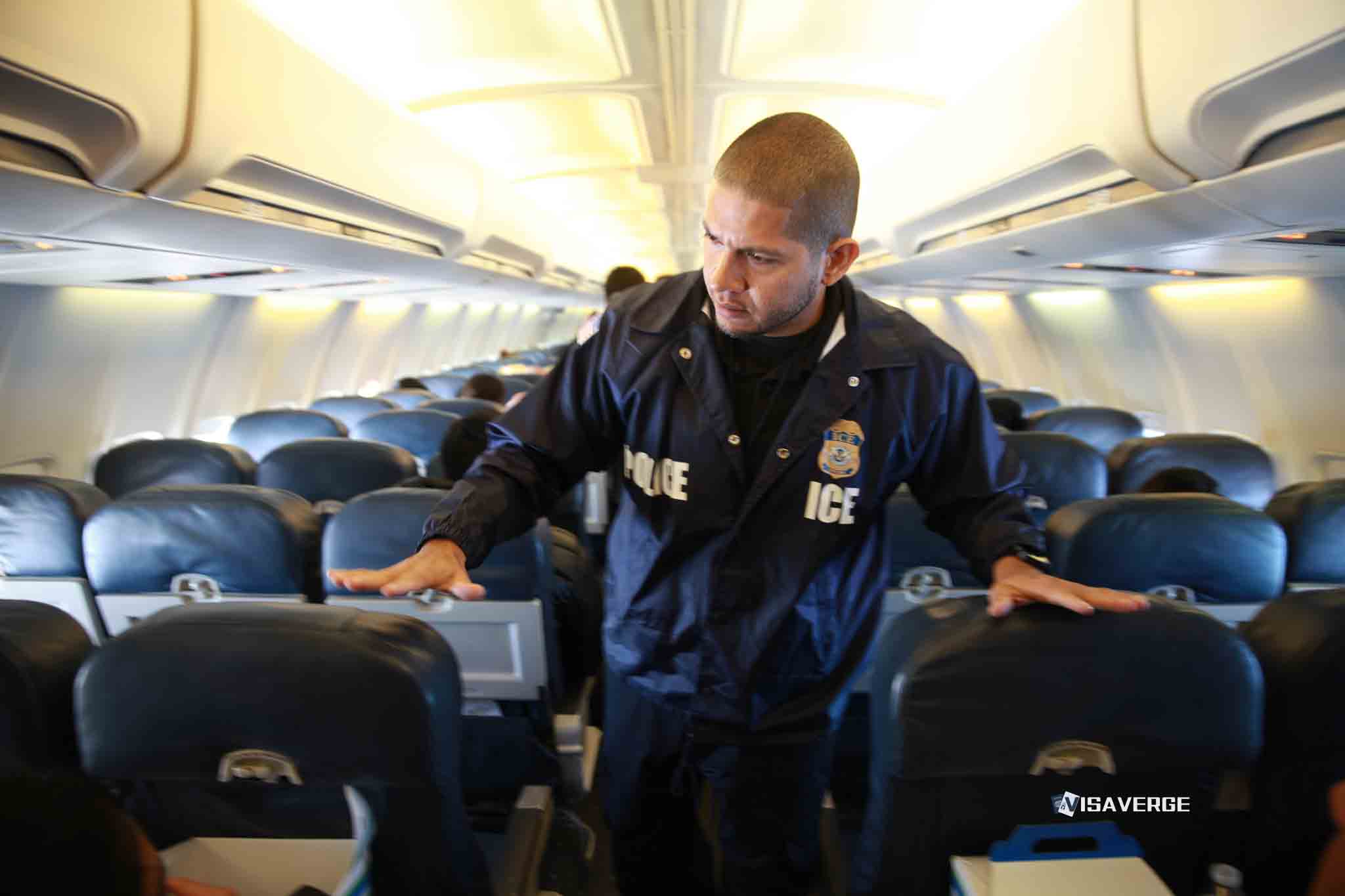
For undocumented migrants, the immediate environment is becoming tougher. The Department of Home Affairs reported 109,344 deportations between 2024 and March 31, 2026, under “Operation New Broom.”
Those numbers underline the enforcement side of the White Paper. While the policy includes modernization measures and new visa channels, it also signals a stronger focus on removals and compliance.
The reforms in South Africa coincide with changes in the United States that affect South African nationals, particularly under President Trump. Although the White Paper is an internal South African policy shift, U.S. refugee and screening decisions have added another layer to the international context around South African migration.
On October 31, 2025, in the Presidential Determination on Refugee Admissions for Fiscal Year 2026, the U.S. government cut the global refugee cap to 7,500. The determination stated, “The admissions numbers shall primarily be allocated among Afrikaners from South Africa pursuant to Executive Order 14204, and other victims of illegal or unjust discrimination in their respective homelands.”
That language gave unusual prominence to South Africa within the U.S. refugee admissions system. It tied the allocation directly to Executive Order 14204, issued on February 7, 2025.
The order, titled “Addressing Egregious Actions of the Republic of South Africa,” established a specialized pathway for U.S. refugee resettlement for people of Afrikaner ethnicity or racial minorities in South Africa. It cited “government-sponsored race-based discrimination.”
Another U.S. measure took effect on January 1, 2026. Under USCIS Policy Memorandum PM-602-0194, officials placed an immediate “adjudicative hold” on applications from an expanded list of high-risk countries.
South Africa is not on the “full ban” list, but it faces heightened operational scrutiny in screening and vetting procedures. That places South African applicants in a tougher review environment even as the country reshapes its own citizenship and immigration rules.
The overlap in timing is notable. South Africa is moving to tighten asylum access, digitize migration control and channel entry toward workers and investors, while the United States is applying a separate refugee preference for Afrikaners and stronger vetting scrutiny for South African-linked cases.
Within South Africa, the Revised White Paper also seeks to tackle practical failures that have built up over time. Officials have linked the overhaul to efforts to cut backlogs, reduce fraud and rebuild administrative systems that they say no longer meet the country’s needs.
Those goals help explain the emphasis on a single legislative framework. Folding the Citizenship, Immigration, and Refugees Acts into one law would give the government a unified structure for entry, status, naturalization and protection claims rather than relying on separate systems.
The points-based approach reflects a similar logic. By moving away from residence periods and toward economic and social criteria, the state is making a policy choice to reward measurable contribution over simple duration of stay.
The new visa categories point in the same direction. Remote Work visas acknowledge cross-border employment that does not fit older work permit models, while Start-up visas open a path for entrepreneurs and the Sports and Arts category carves out space for specialized talent.
Replacing Corporate Visas with Sectoral Work Visas also narrows the focus. Instead of a broad instrument, the government plans a category designed around defined industrial demand.
On asylum, however, the shift is more restrictive. The First Safe Country principle would make it far harder for people who transited neighboring states to seek protection in South Africa, sharply changing the options available to many who travel overland.
That could produce the starkest immediate effect on the ground. People who once might have entered the asylum system after crossing several borders would now face denial under the new framework.
By contrast, professionals with sought-after skills may find the process more open. The PBS and the new Remote Work visa are designed to ease entry for highly skilled foreigners who fit South Africa’s economic priorities.
The White Paper therefore splits access more clearly than before. It narrows routes for asylum seekers and undocumented migrants while widening or simplifying routes for skilled and economically favored entrants.
Verification of the measures and related policy texts is available through official public records. South Africa’s statement on the Cabinet approval and the White Paper appears on the South African Government Newsroom.
The U.S. refugee admissions determination for Fiscal Year 2026 appears in the Federal Register. USCIS policy memoranda, including PM-602-0194, are published by USCIS.
For South Africa, the immediate test will be implementation. The Cabinet has approved the framework, the Department of Home Affairs has framed it as a generational rewrite, and the country now begins putting into practice a policy that tightens refugee access, rewires citizenship rules and opens new doors for selected workers, investors and other professionals.