- Brunei has expanded visa-free access to citizens from over 90 countries to drive tourism growth.
- The government targets 300,000 international visitors in 2025, representing a 20 percent annual increase.
- Tourism’s contribution to GDP is projected to grow 15 percent through luxury and eco-tourism initiatives.
(BRUNEI) — Brunei has expanded visa-free access to citizens from over 90 countries as it pushes to boost tourism and make entry procedures easier for visitors.
The move opens visa-free access to travelers from a broad spread of markets, including Indonesia, Denmark, Austria, the United States, New Zealand, and the United Arab Emirates, under what Brunei described as a strategic initiative for its tourism sector.
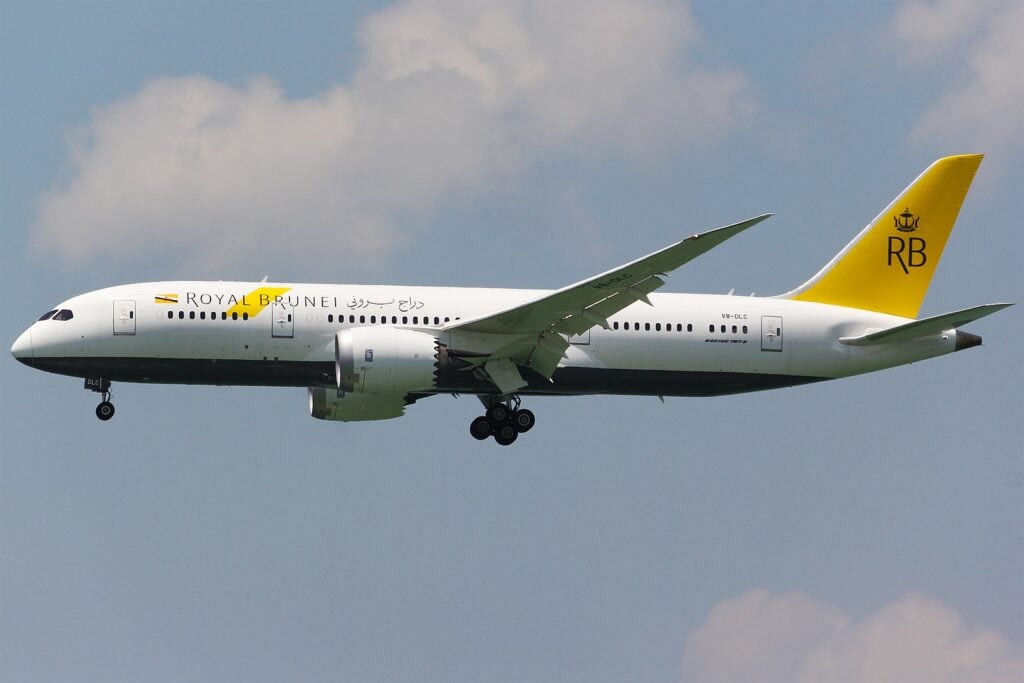
Officials expect the wider access to support a rise in arrivals in 2025, when international arrivals are projected to increase by 20 percent in 2025. Brunei welcomed approximately 250,000 international visitors in 2024, and projections put the 2025 total at 300,000.
That projected growth comes with a wider economic target. Tourism’s contribution to GDP is expected to grow by 15 percent, reflecting a larger role for the sector in the country’s economy.
Brunei is using the visa policy to sharpen its position against nearby competitors such as Malaysia, Singapore, and Indonesia, which have already adopted similar visa relaxation measures. The country is pitching itself to both eco-tourism and luxury travel markets.
At the center of that strategy is Brunei’s emphasis on its untouched natural environment, cultural heritage, and high-end hospitality offerings. The visa policy is part of that broader push.
The expanded access reaches across Southeast Asia, Europe, North America, Asia-Pacific, and the Middle East. In ASEAN, Brunei grants visa-free entry to citizens of Malaysia, Singapore, Thailand, the Philippines, Indonesia, and Vietnam.
In Europe, citizens of the United Kingdom, Germany, France, Italy, Spain, the Netherlands, and other EU countries can visit visa-free for up to 90 days. That gives Brunei access to a large pool of long-haul travelers as it seeks to widen its appeal beyond nearby markets.
North American travelers are also covered, with nationals of the United States and Canada receiving visa-free access. In Asia-Pacific, the policy includes Japan, South Korea, Hong Kong, Taiwan, and Australia.
The Middle East also features in the list, with Qatar, the United Arab Emirates, and Saudi Arabia included in the visa-free arrangement. Taken together, the expansion reaches more than 90 countries.
Brunei linked the measure to easier travel planning for visitors. The government also framed the policy as part of regional cooperation and international tourism promotion, alongside the effort to streamline entry procedures.
For travelers, the most immediate effect is straightforward. Citizens from the covered countries can enter without a visa under the expanded system, reducing one of the basic administrative steps involved in planning a trip.
For Brunei, the policy is also a test of whether easier access can convert into higher visitor numbers fast enough to lift the sector’s economic weight. The target suggests officials believe the answer is yes.
The jump from approximately 250,000 international visitors in 2024 to 300,000 in 2025 would mark a clear increase in arrivals if projections are met. It would also align with the department’s forecast for growth of 20 percent in 2025.
Those numbers put tourism more squarely into Brunei’s economic planning. A 15 percent rise in tourism’s contribution to GDP would give added force to the argument that visitor growth can support wider national goals.
The policy’s regional spread also shows how Brunei is trying to balance nearby and distant source markets. ASEAN travelers can reach the country with relative ease, while Europe, North America, and the Middle East offer a larger mix of leisure travelers that Brunei hopes to attract.
That approach fits with the country’s twin focus on eco-tourism and luxury travel. Brunei is not presenting the expansion simply as a volume play; it is pairing wider visa-free access with an image built around nature, heritage, and upscale hospitality.
Neighboring countries provide the competitive backdrop. Malaysia, Singapore, and Indonesia have already implemented similar visa relaxation measures, and Brunei’s move places it more directly in that regional contest for international arrivals.
Competition in the region is not only about how many countries receive visa-free access. It is also about how easily travelers can choose one destination over another, especially when entry rules shape trip planning from the outset.
By widening visa-free access, Brunei is lowering a barrier at the border while trying to raise its profile abroad. The measure links tourism policy with a larger question of market visibility in Southeast Asia, where destinations compete across price, convenience, and visitor experience.
The inclusion of countries such as the United States, Canada, the United Kingdom, Germany, France, Italy, Spain, and the Netherlands gives Brunei a wider platform in long-haul markets. Coverage across Japan, South Korea, Hong Kong, Taiwan, and Australia adds depth in Asia-Pacific.
Within Southeast Asia, the policy reinforces existing regional travel links. Access for Malaysia, Singapore, Thailand, the Philippines, Indonesia, and Vietnam aligns Brunei with the kind of cross-border mobility that supports short-haul tourism in ASEAN.
The Middle East component adds another layer. Qatar, the United Arab Emirates, and Saudi Arabia are part of the expanded list, broadening Brunei’s reach into markets outside its immediate neighborhood.
Europe’s up to 90 days visa-free stay stands out as one of the more defined parts of the policy. That window can make Brunei more practical for travelers building longer itineraries in the region.
The tourism department’s forecast suggests officials expect easier entry to do more than lift airport arrivals. With tourism’s GDP contribution projected to grow by 15 percent, the government is treating travel as an economic growth channel.
That economic logic sits alongside the country’s branding effort. Brunei’s reference to its untouched natural environment, cultural heritage, and high-end hospitality offerings signals the kind of visitor experience it wants to sell as visa-free access widens.
The eco-tourism and luxury travel focus also helps explain why Brunei is not relying on a single market. The broad list of eligible countries gives it room to draw travelers with different budgets, travel styles, and trip lengths, while still emphasizing premium and nature-based appeal.
Streamlined entry procedures are another part of the pitch. For destinations seeking to lift international arrivals, reducing paperwork can matter as much as marketing campaigns, particularly when travelers compare several countries in one region.
Brunei’s new visa stance reflects that calculation. The policy connects access, competition, and economic ambition in a single move aimed at making the country easier to visit and harder to overlook.
The numbers set the benchmark for whether it works. Officials are aiming for approximately 300,000 visitors in 2025, up from approximately 250,000 international visitors in 2024, with arrivals projected to rise by 20 percent in 2025 and tourism’s contribution to GDP expected to grow by 15 percent.
If those targets are met, the expansion of visa-free access to over 90 countries will stand as more than a border measure. It will be a central part of Brunei’s effort to draw more travelers, deepen regional and international tourism ties, and turn its natural environment, cultural heritage, and high-end hospitality into a larger economic role.