- Airlines resumed flights to Mexico on February 24 after intense cartel-related violence caused massive cancellations.
- Major carriers like Volaris and United canceled over 75% of their Puerto Vallarta schedules during the disruption.
- Airport operations remained functional while airlines independently suspended service due to evolving security concerns and risks.
(PUERTO VALLARTA, MEXICO) — Airlines began restoring service on February 24, 2026 to Mexico’s Pacific coast after cartel-related violence and security concerns forced widespread flight cancellations that stranded tourists and disrupted key resort routes.
Flights to Puerto Vallarta (PVR), Guadalajara (GDL) and Mazatlán (MZT) started coming back after disruptions that began around February 22, with U.S. airlines confirming the restart following two days of gang violence.
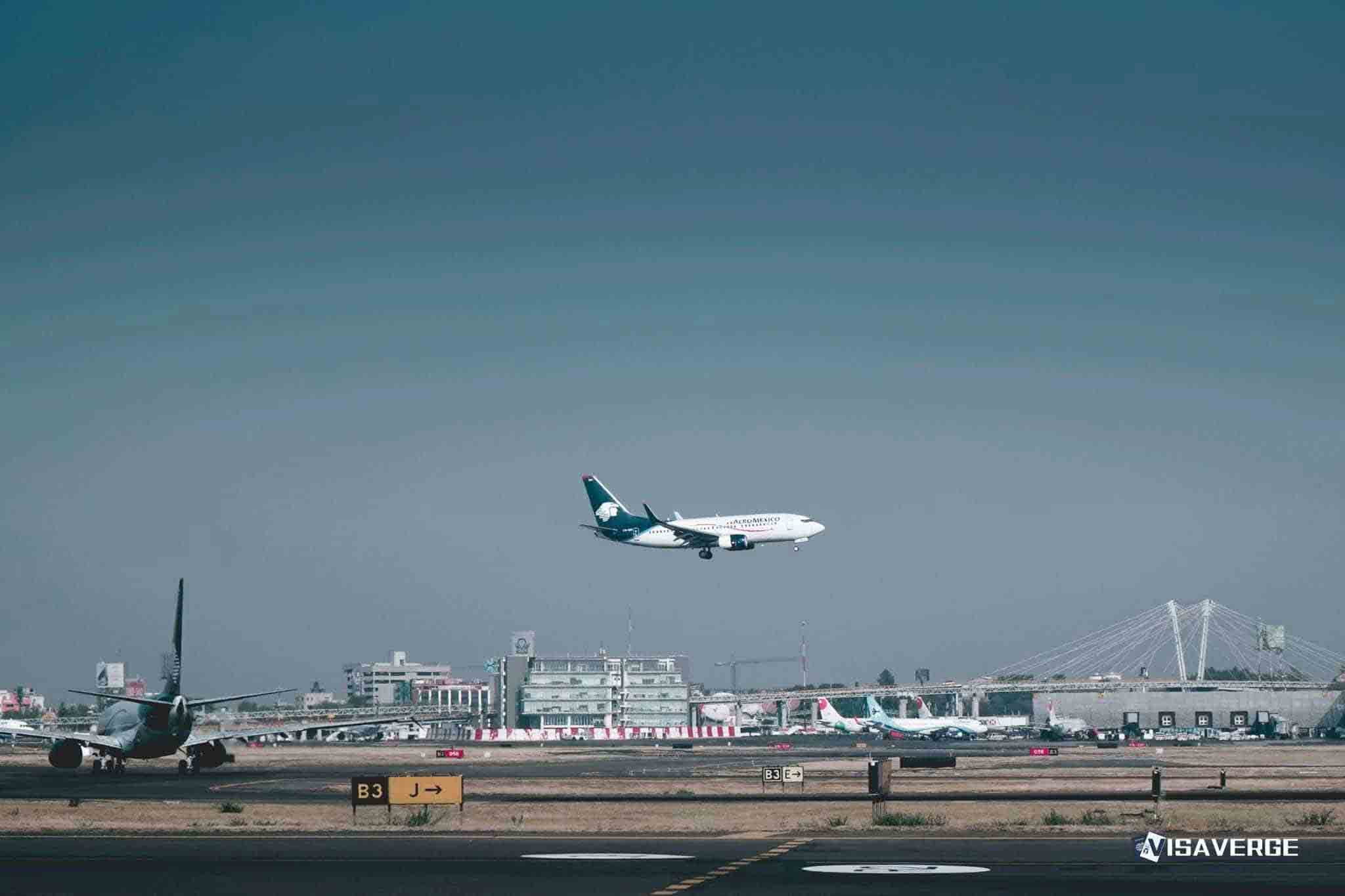
Puerto Vallarta stood at the center of the disruption, with airlines canceling at least 50% of flights to PVR and 62% of flights originating from PVR as carriers curtailed operations tied to safety conditions.
On February 24 morning, a flight from Los Angeles International Airport (LAX) to Puerto Vallarta was set to take off shortly, NBC4’s Lauren Coronado reported live, a sign that the most severe travel interruptions were easing after days of uncertainty.
American Airlines, Southwest, United and Delta were among the carriers that suspended operations during the peak of the disruption, affecting travel to the tourist-heavy coastal destinations as well as inland Guadalajara, a major city and transit point for many travelers.
The cancellations did not unfold evenly across airlines or routes, with snapshots of cancellation levels showing wide variation as carriers moved in and out of service reductions over the Feb. 22–24 window.
Volaris recorded the most severe hit among carriers tracked to Puerto Vallarta, canceling 95% of flights to PVR, underscoring how sharply some schedules contracted during the period of cartel violence.
Southwest canceled 75% of its Puerto Vallarta flights, while United and Delta each canceled 76%, reflecting a heavy pullback by multiple major U.S. carriers in the same resort market.
WestJet canceled 65% of its flights, AeroMexico canceled 62-75%, and Air Canada monitored developments with local authorities, illustrating the broad span of airlines affected across North America and Mexico.
The disruption also rippled into U.S. hub connectivity, with over 30% of flights from Dallas/Fort Worth (DFW) to Puerto Vallarta canceled, a route-level hit that compounded problems for travelers who relied on connections rather than nonstop service.
Even as airlines cut flights, airport operations continued. Alejandra Soto Ayech, a spokesperson for PVR, said on February 22 that internal airport operations remained unaffected, while airlines decided to cancel all international and most domestic flights for safety.
Soto Ayech urged passengers to stay calm and follow personnel instructions, as travelers confronted shifting schedules and day-to-day changes that often came with little notice during the height of the cancellations.
The separation between airport functionality and airline flying decisions became clearer as the disruption unfolded: terminals could remain open and functioning while carriers reduced service based on evolving security conditions and their own assessments.
By February 24, airlines had begun resuming flights but warned that the restart did not mean an instant return to normal schedules, with potential changes throughout the day and not all scheduled flights returning immediately.
For travelers, that meant the resumption date brought movement but not certainty, with some flights proceeding after prior cancellations while other departures and arrivals still faced disruptions.
American Airlines’ handling of the interruption reflected the broader pattern. The carrier halted service to PVR, GDL and MZT through February 23 and expected to resume on Monday (February 24), while issuing travel alerts that enabled passengers to rebook without fees under the conditions set out in those alerts.
Delta issued travel waivers for PVR and GDL customers, part of a set of airline measures aimed at helping travelers adjust itineraries as service restarted and as conditions remained fluid.
Many passengers looked for workarounds that did not depend on immediate restoration of nonstop service, booking connections through other Mexican cities where operations continued during the disruption.
That option offered a path forward for some stranded tourists, though it also introduced uncertainty around transit timing and the availability of seats as airlines worked through altered schedules across multiple cities at once.
As airlines restored operations, the difference between changing a trip under a waiver and deciding not to travel at all became a pressing question for passengers, particularly those juggling hotel stays, missed connections, and shifting departure times.
Service interruptions were not only visible in cancellation rates. The disruption also included at least one American Airlines flight that turned back amid escalating ground violence, an operational move that reflected fast-changing conditions and the possibility that circumstances could shift during a trip rather than only before departure.
Turnbacks are rare enough to stand out to passengers, and in this case it coincided with the wider pattern of airlines pausing operations to Puerto Vallarta, Guadalajara and Mazatlán while monitoring safety concerns tied to cartel violence.
Traveler accounts reflected the speed of change across the three-day window. Families reported flights canceled on February 23 but back on track by February 24 morning, highlighting how quickly the picture could improve as airlines restarted service.
At the same time, the uneven restart left some travelers still checking and rechecking flight status rather than treating the return of some departures as confirmation that all operations had stabilized.
NBC4’s report of the LAX-to-Puerto Vallarta departure set to take off shortly captured the cautious optimism many travelers felt on February 24, after the earlier wave of cancellations had snarled plans during what is often a busy period for resort travel.
Airlines’ overall pullback during the Feb. 22–23 period had targeted not just Puerto Vallarta but also Guadalajara and Mazatlán, spreading the impact across a region that draws leisure travelers and also serves as a corridor for domestic and international movement.
The operational decisions by American Airlines and other carriers also underscored that travelers can experience major disruption even when airports themselves continue functioning, because the limiting factor can be the carrier’s willingness to operate routes under conditions it considers unsafe.
As flights resumed, airlines and airports continued to send messages meant to keep passengers orderly and informed, with instructions to remain calm, follow personnel guidance, and monitor updates as schedules shifted.
By February 24, the resumption of flights brought the first visible sign of normalization for many stranded visitors, but the scale of cancellations—at least half of flights to PVR and nearly two-thirds of departures from PVR—meant the backlog of disrupted trips remained substantial.
The Dallas/Fort Worth-to-Puerto Vallarta cancellations showed how the disruption extended far beyond the Mexican coastline, affecting travelers in U.S. departure cities and creating knock-on effects for people connecting through hubs.
For some travelers, rebooking through other Mexican cities where operations continued provided flexibility when nonstop options disappeared, though it also required passengers to navigate longer itineraries and potential additional disruptions if schedules changed again.
Carriers’ differing cancellation rates suggested that travelers on the same day and destination could face very different outcomes depending on the airline, an unevenness that persisted into the resumption window as airlines restored service on their own timelines.
Air Canada’s decision to monitor developments with local authorities pointed to the role that local security conditions and official coordination played in shaping airline decisions, even as airport spokespeople emphasized that internal operations continued.
The Feb. 22 statement from Soto Ayech also highlighted the airport’s effort to draw a line between what the facility could keep running and what airlines chose to fly, as the violence-related disruption led carriers to cancel all international and most domestic flights despite airport operations remaining unaffected.
The events of Feb. 22–24 left many travelers focused on near-term signals of stabilization: whether more flights would depart as scheduled, whether the number of last-minute cancellations would decline, and whether airlines’ travel alerts and waivers would remain in effect long enough to accommodate those still displaced.
With multiple major carriers involved—including American Airlines, Southwest, United and Delta—the restoration of service also depended on how quickly each airline could bring back its own schedule to Puerto Vallarta, Guadalajara and Mazatlán after the pause.
For passengers heading to Puerto Vallarta in particular, the morning departures on February 24 offered a concrete step toward recovery, but the combination of earlier cancellations, turnbacks and continuing day-of changes meant many travelers remained in a wait-and-watch posture as the region’s air travel system worked toward steadier operations.