- The FAA proposed a $255,000 civil penalty against American Airlines for safety compliance failures.
- Twelve flight attendants returned to flight duties without mandatory follow-up drug and alcohol testing.
- The enforcement action highlights broader industry scrutiny following a similar penalty against Southwest Airlines.
(UNITED STATES) — The Federal Aviation Administration proposed a $255,000 civil penalty against American Airlines on April 10, 2026, after the carrier failed to conduct required follow-up drug and alcohol testing on 12 flight attendants who had tested positive.
The agency said the violation occurred when American Airlines allowed those crew members to return to flight duties without completing the mandatory follow-up tests required under FAA safety regulations.
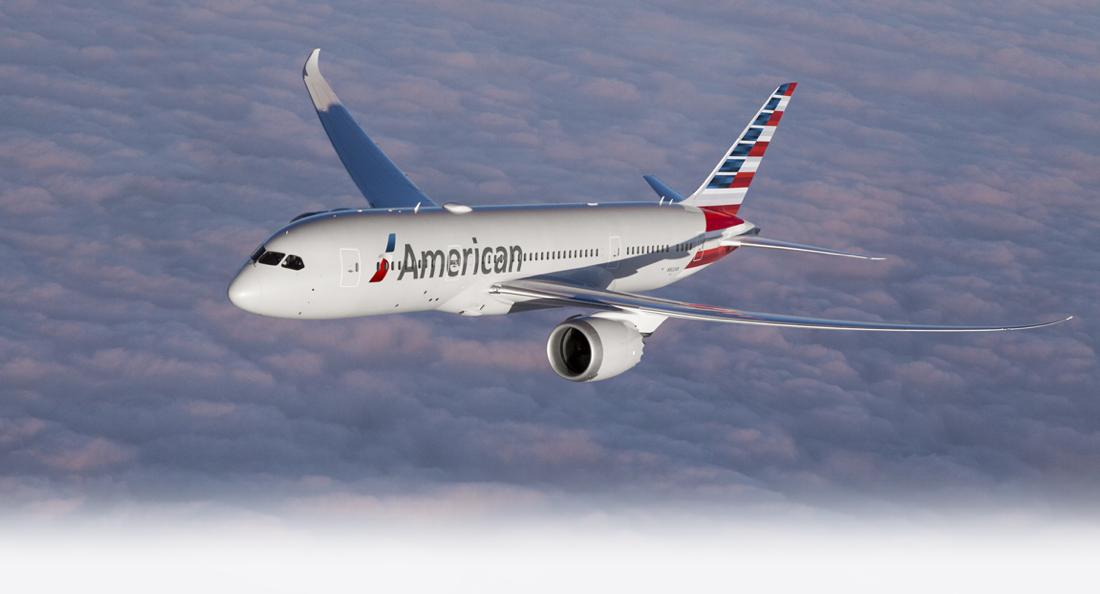
The proposed action puts one of the country’s largest airlines under fresh regulatory pressure and centers attention on how carriers enforce drug and alcohol compliance rules for flight crews. The case remains unresolved because the penalty is proposed, not final.
FAA rules require unannounced testing and follow-up for positive results as part of the federal drug and alcohol program for aviation workers. Those requirements are intended to ensure aviation safety by verifying that crew members are fit before they resume duty.
In this case, the agency concluded that American Airlines did not meet that obligation. The proposed penalty stems from the airline’s non-compliance with those federal rules.
The matter also points to broader enforcement by the agency across the industry. The FAA separately proposed a $304,000 penalty against Southwest Airlines for similar issues, indicating that regulators are examining compliance practices at major carriers rather than treating the American Airlines case as an isolated matter.
That parallel action gives added weight to the latest proposal. It shows the FAA is using civil penalties to police follow-up testing requirements that apply after employees test positive.
For airlines, the rules carry direct operational consequences. Follow-up testing must be completed before crew members can resume flight duties, making those procedures part of the safety system that governs who can work on board an aircraft.
The FAA’s drug and alcohol program rules are built around two linked ideas: testing must occur without advance warning, and employees who test positive must complete follow-up requirements before returning to work. The American Airlines proposal alleges a breakdown in that process.
Because the agency framed the issue around 12 flight attendants, the case reaches beyond a single paperwork lapse. The proposed penalty reflects what regulators viewed as a pattern serious enough to warrant civil enforcement.
American Airlines has not publicly responded to the proposal in available details. The company now faces the paths that typically follow an FAA enforcement action: appeal, settlement, or a final determination by the agency.
Until that process runs its course, the $255,000 figure remains a proposed penalty rather than a final sanction. Still, the announcement alone can carry consequences for a carrier’s standing with regulators and for internal reviews of compliance systems.
For airline management teams, FAA enforcement actions often trigger renewed scrutiny of whether policies are being followed at the level where scheduling, medical compliance, and crew assignment decisions intersect. In a case tied to follow-up testing, that scrutiny can extend to how quickly positive results are recorded, how return-to-duty steps are tracked, and whether employees are kept off flight assignments until every required test is complete.
The American Airlines case also shows how safety enforcement can focus on post-test procedures rather than the initial positive result alone. The violation described by the agency was not simply that flight attendants tested positive, but that they were cleared to fly before the required follow-up process had been completed.
That distinction matters in the FAA’s framework. The purpose of follow-up testing is to confirm that a crew member meets the conditions to return to duty, and the agency’s rules place that safeguard before any resumption of flight work.
The proposal arrives at a time when major carriers face constant pressure to maintain reliability while satisfying dense layers of federal oversight. Drug and alcohol compliance programs sit within that wider regulatory structure, alongside training, maintenance, crew scheduling, and operational safety requirements.
In that setting, enforcement actions can have effects beyond the amount of a fine. A proposed FAA penalty can draw attention to an airline’s compliance culture, its relationship with regulators, and whether its internal controls are strong enough to catch breakdowns before they affect flight operations.
For American Airlines, the immediate issue is the FAA’s claim that 12 flight attendants returned to duty without completing mandatory follow-up tests. For the wider industry, the simultaneous proposal involving Southwest Airlines sends a broader message that the agency is actively enforcing these rules.
The comparison with Southwest does not suggest identical facts in both cases, but it does show a common regulatory theme. The FAA is pursuing penalties over similar issues involving drug and alcohol compliance at major airlines.
That approach may prompt carriers to reexamine their own testing and return-to-duty procedures. Airlines that handle safety-sensitive employees must be able to show that required follow-up steps are completed before any worker goes back to flight status.
Those checks are especially important in aviation because the FAA’s rules treat crew fitness as part of the safety chain. Unannounced testing and required follow-up are designed to reduce the risk that an employee returns to duty without satisfying the conditions set by federal regulations.
The proposed penalty against American Airlines therefore rests on more than an administrative misstep. The FAA tied the alleged violation directly to aviation safety, saying the required tests were meant to verify crew fitness before those flight attendants resumed their duties.
Whether the case ends in an appeal, a settlement, or a final determination, the proposal adds to a pattern of visible federal enforcement involving large passenger carriers. It also places the phrase follow-up testing at the center of a compliance question that airlines cannot treat as procedural routine.
For travelers, the action is a reminder that airline safety oversight extends well beyond aircraft and pilots. Flight attendants are part of the regulated safety workforce, and federal rules require carriers to keep them from returning to duty until every step of the drug and alcohol program has been completed.
The FAA penalty against American Airlines now stands as a proposed $255,000 action with a clear allegation: 12 flight attendants who tested positive returned to flight duties without the mandatory follow-up testing that federal rules require before they can fly.