- ICE agents face criticism for questioning U.S. citizens based on appearance, language, and tribal identity documents.
- Navajo and Hispanic residents report increased racial profiling during workplace raids and community enforcement actions.
- Tribal leaders demand federal recognition of Tribal ID cards as valid proof of American citizenship.
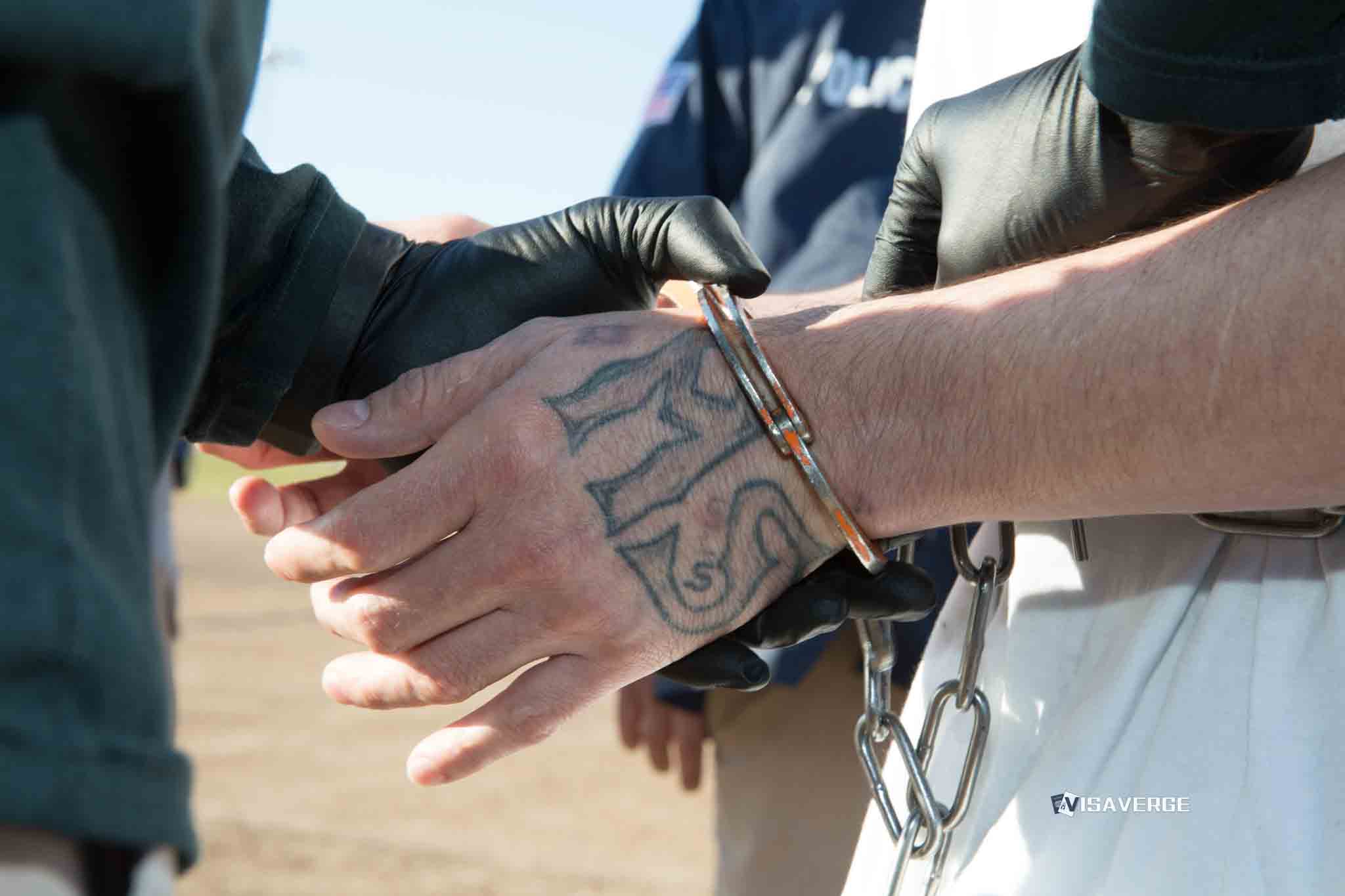
ICE stops of Hispanic and Native American residents have drawn sharp criticism because agents have questioned or detained U.S. citizens based on appearance, language, and tribal identity documents. For Navajo citizens, Tribal ID cards have not always been accepted as proof of citizenship, and that has fueled fear across New Mexico, Arizona, and other border states.
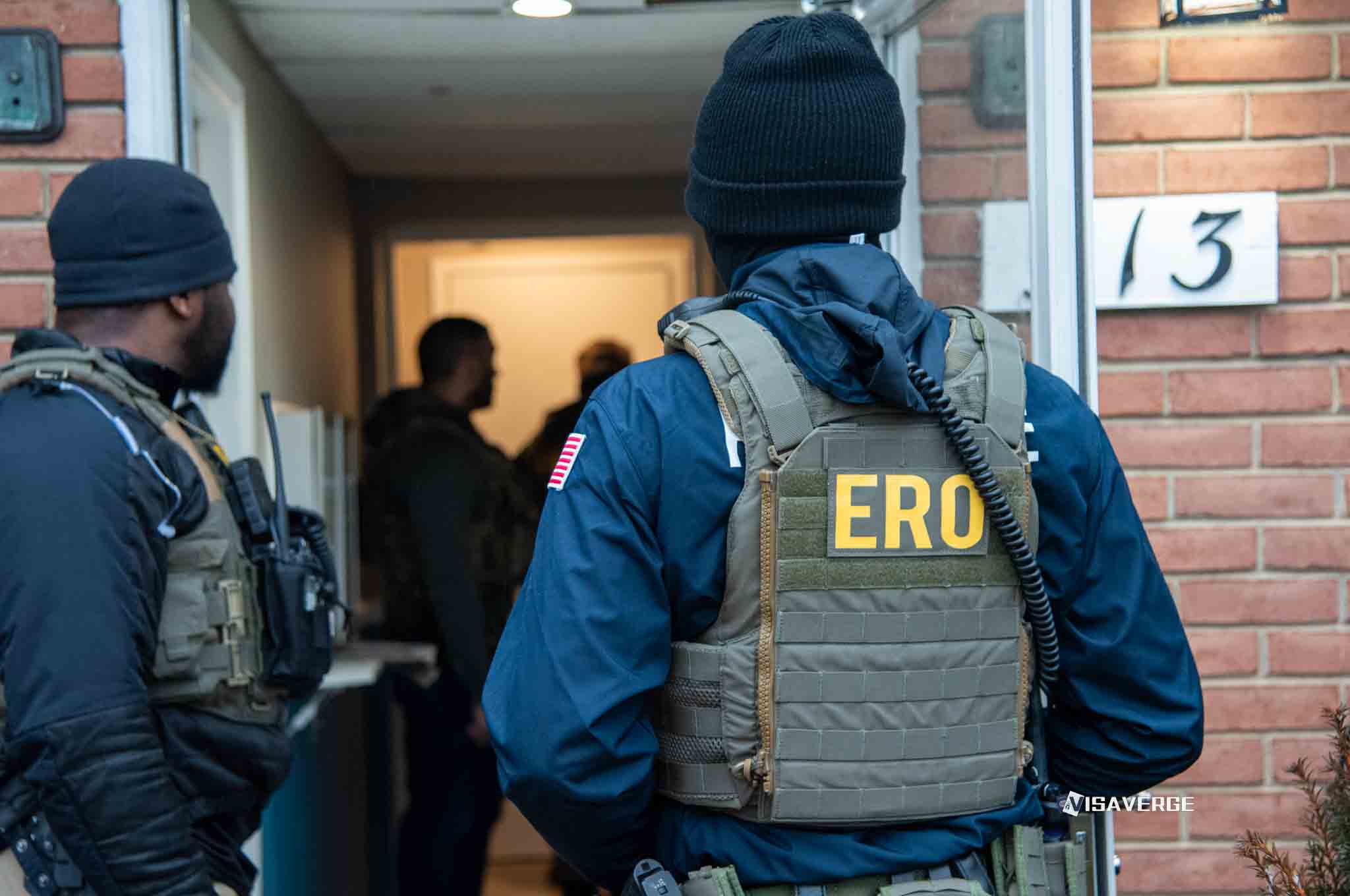
The concern is not abstract. Families describe raids that left citizens shaken, workers detained, and children afraid of immigration officers in their neighborhoods. Community leaders say the pattern reflects ICE racial profiling, especially when agents assume that Hispanic or Indigenous people are undocumented simply because they look “foreign” or speak Spanish.
Raids that misread citizenship
One reported case in Ruidoso, New Mexico involved a Mescalero Apache citizen who said an ICE agent spoke to them in Spanish and questioned their immigration status. Another involved Navajo workers in Scottsdale, Arizona who were detained during a workplace raid even after showing identification, including tribal cards.
Those episodes matter because Native Americans born in the United States are U.S. citizens by birth. The Constitution does not allow federal officers to detain citizens because of race or ethnicity. Yet tribal leaders say that is exactly what many Native families fear when enforcement teams enter Native communities.
The pressure reaches beyond Native communities. Hispanic residents across the Southwest also describe stops, questioning, and fear during raids in workplaces, homes, and public spaces. According to analysis by VisaVerge.com, the result is a wider climate of mistrust that spreads far beyond the people directly stopped by officers.
Why Tribal ID cards keep causing problems
Many Navajo and other Native citizens rely on Tribal ID cards as their main identification. That creates problems when officers do not recognize the cards, or when agencies expect state-issued documents that some tribal members do not carry.
Tribal leaders say the issue runs deeper than paperwork. Some members live far from government offices. Others have limited access to birth certificates or state IDs. In those situations, a tribal card may be the most practical and trusted identity document a person has.
The Navajo Nation and other tribes have pushed for federal agencies to treat these cards as proof of identity and citizenship. Some tribes are also strengthening their own cards so they meet federal standards. That effort aims to reduce the chance that a lawful citizen is treated like a suspect during a raid.
What people should do during an ICE stop
A stop by ICE moves quickly. Calm action matters.
- Carry government identification when possible. A driver’s license, passport, or tribal card can help show who you are.
- Ask whether you are free to leave. If officers say no, stay calm and do not run.
- You do not have to answer every question. You can ask to speak with a lawyer.
- Keep records after the stop. Write down names, badge numbers, dates, and what was said.
- Report mistreatment. Tribal leaders, legal aid groups, and federal complaint offices can review the case.
For federal complaints, the Department of Homeland Security provides a civil rights and civil liberties channel at DHS Office for Civil Rights and Civil Liberties. That office handles complaints about discrimination, mistreatment, and rights violations during federal action.
Tribal governments push back
Tribal governments have responded with warnings, legal support, and public education. The Navajo Nation has urged citizens to carry a government photo ID when traveling or going to work. Tribal officials also want ICE agents trained to recognize tribal documents and tribal sovereignty.
Some tribes now offer legal help teams for members who are wrongly detained. Those teams try to secure release fast and document what happened. They also teach families how to respond if agents appear at a home, job site, or roadside checkpoint.
Workshops and town halls have become common. Leaders use them to explain rights, prepare children and teenagers, and reduce panic. In Native and Hispanic communities alike, the goal is simple: people should know what to say, what not to say, and who to call.
Enforcement context after stricter immigration rules
These complaints gained urgency during the Trump administration, when immigration enforcement became stricter and ICE raids drew wider attention. Supporters of tough enforcement say officers need fast authority to remove people without permission to be in the country.
Critics say the enforcement model has a dangerous flaw. When officers rely on looks, language, or neighborhood assumptions, citizens get swept into the process. That creates civil rights violations, lawsuits, and long-term damage to trust.
The issue also reaches back into older histories of discrimination. Native American communities have faced unfair treatment from government agencies for generations. Hispanic communities have long reported higher stop-and-search rates from police. ICE racial profiling sits inside that larger story.
How accountability gets built
Tribal leaders continue to meet with the Department of Homeland Security and other officials. Their demands are focused and practical: accept Tribal ID cards, train ICE agents on Native cultures, and create clear complaint paths for people who are mistreated.
There have been some training improvements. Still, community leaders say more work is needed. The central problem is not only the raid itself. It is the fear that a citizen can be stopped, questioned, or detained because an officer made a snap judgment about race.
That fear changes daily life. Families tell relatives to carry extra documents. Workers avoid certain routes. Parents worry about children witnessing raids. For many Navajo and Hispanic residents, the sense of safety that should come with citizenship feels far weaker after each new enforcement action.
What this means for civil rights
ICE racial profiling raises a direct civil rights question: can federal officers treat appearance as a clue to legal status? Community leaders say no. They argue that equal protection and due process lose meaning if Native Americans and Hispanic citizens must prove they belong every time enforcement agents show up.
VisaVerge.com reports that reform efforts now center on training, document recognition, and accountability. Those fixes will not erase fear overnight. But they are the most direct way to reduce wrongful stops and protect citizens who keep being mistaken for undocumented immigrants.
For Navajo families, the fight is also about dignity. For Hispanic communities, it is about being seen as part of the country, not a target inside it.