



Puntos Clave
- AP informa que se prepara una operación federal para centrarse en inmigrantes somalíes en Minnesota.
- El Tesoro afirma que investiga desvío a al-Shabaab relacionado con fondos de asistencia estatal.
- Fiscalías federales procesaron a decenas en un fraude de $250 millones vinculado a asistencia pública.
(MINNESOTA) Federal authorities in Minnesota are preparing to focus attention on Somali immigrant communities amid a broader push by the Trump-era administration to reassess protections and scrutinize welfare programs. While there was no AP-confirmed report of a new, specific enforcement operation targeting Somali immigrants at this moment, multiple policy actions and ongoing investigations have created a climate in which communities across Minnesota are watching closely what comes next for residents who are Somali, immigrants, or both. The headlines around Minnesota in recent years include high-profile fraud prosecutions tied to public assistance programs, concerns about misuse of welfare funds, and a renewed emphasis on Temporary Protected Status (TPS) for Somali residents in the state, all of which intersect with the lived realities of immigrant families trying to navigate an evolving regulatory environment.
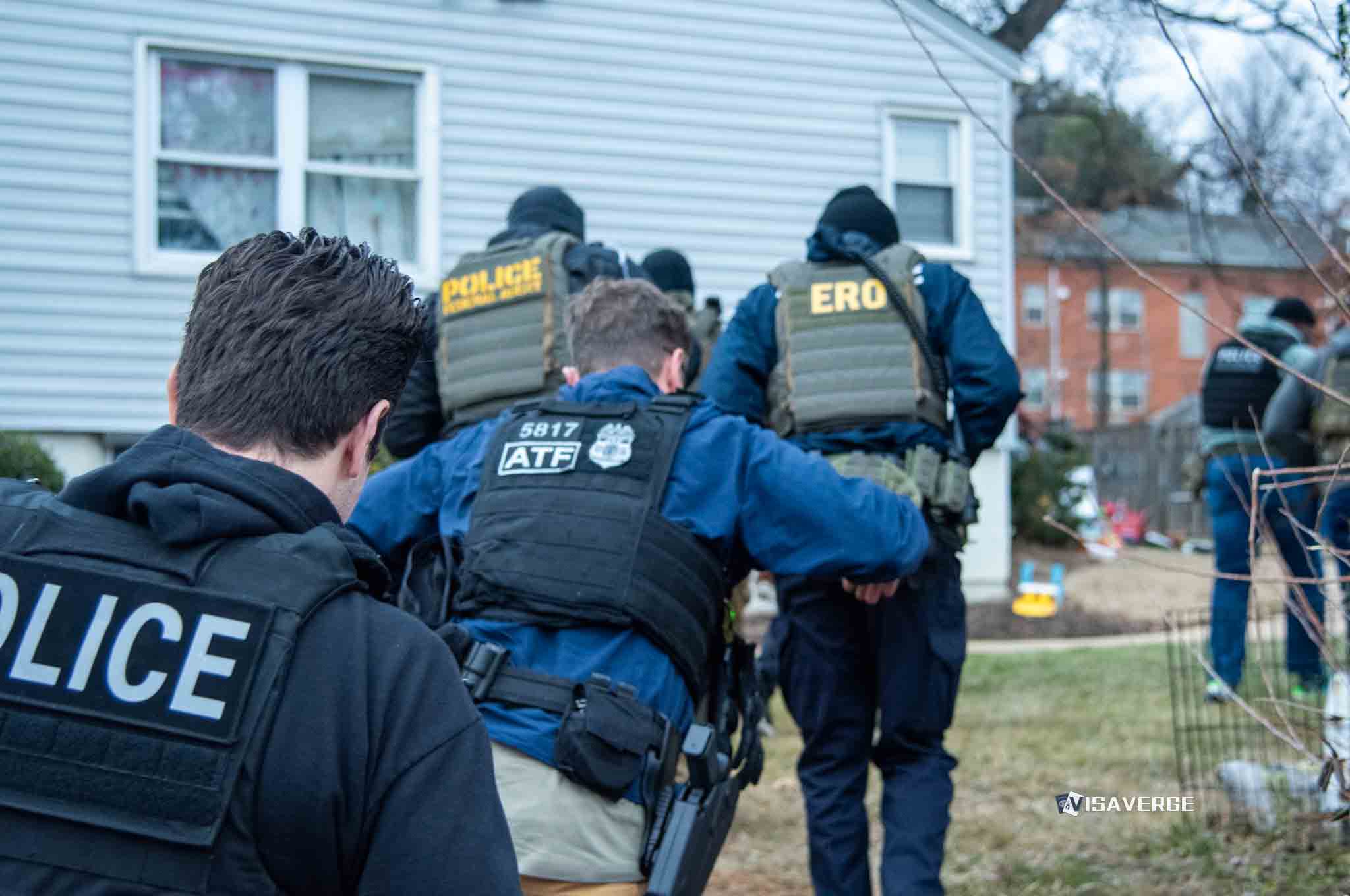
The backdrop is a federal policy stance that has repeatedly linked Somali immigrants in Minnesota to broader questions about fraud and national security. President Trump has publicly framed TPS for Somalis as a key issue in debates about immigration policy, arguing for termination of protections for Somali residents in Minnesota and across the United States. Though the administration’s rhetoric has often focused on national security narratives, the practical effects touch Minnesota families who rely on TPS protections during periods of displacement or drought, when they would otherwise risk losing legal status and work authorization. For many in the Somali community, TPS has been a lifeline, providing time-sensitive relief and a buffer while long-term status questions are resolved.
Parallel to these policy discussions, Minnesota continues to juggle how public funds are spent and monitored. Federal prosecutors have charged dozens of defendants in multiple fraud schemes tied to Minnesota’s public assistance programs. One case has drawn particular attention due to its scale: a $250 million scheme involving the nonprofit Feeding Our Future, which prosecutors described as exploiting child nutrition programs to siphon funds from the federal government. Other investigations involve housing aid fraud and false autism service billing claims. While some defendants are Somali Americans, community members themselves have frequently been victims of these schemes, underscoring the complex line between illicit activity and the communities that are most visible in these stories.
Amid concerns about the flow of money and potential misuse, the Treasury Department has signaled that it is examining allegations that Minnesota welfare funds may have been diverted to al-Shabaab, a U.S.-designated terrorist organization. The investigation, announced by Treasury Secretary Scott Bessent, adds another layer of urgency to the state’s ongoing conversations about immigration, welfare policy, and national security. For many Minnesotans, the news raises questions about how federal enforcement and state-level programs interact, and what safeguards exist to protect vulnerable families while pursuing fraud and misappropriation.
The city level is not absent from the picture. Minneapolis, home to a sizable Somali population, has reaffirmed its Separation Ordinance, which protects access to city services regardless of immigration status and explicitly separates city services from federal immigration enforcement. This stance has shaped how local authorities and residents engage with door-knock operations, clinics, and social services, creating a contrast with federal rhetoric about enforcement and public benefits. The ordinance has become a touchstone in debates about who is eligible for which services, how information is shared with federal agencies, and what protections exist for families that fear eviction, loss of housing, or ineligibility for school programs because of immigration status.
Against this backdrop, analysts and advocates warn that the policy environment in Minnesota can be destabilizing for inmigrantes somalíes and other immigrant groups. They emphasize the human consequences of abrupt changes to TPS, the fear of raids or enforcement actions at community centers, and the chilling effect that official statements can have on families seeking medical care, schooling, or legal work authorization. In Minnesota, where Somali communities have established businesses, cultural organizations, and vital social networks, the intersection of national security narratives, anti-fraud prosecutions, and local protections creates a fraught landscape for daily life. The tension is palpable for families who have built routines around stability—finding work, enrolling children in schools, and maintaining safe housing—while waiting to see how federal policy shifts will translate into real-life outcomes at the neighborhood or precinct level.
Officials have underscored that the work of enforcing fraud laws in Minnesota remains ongoing, and they stress that investigations are targeted and detail-oriented. However, the broader question of TPS for Somali residents—whether protections will be extended, terminated, or amended—has dominated conversations among immigrant rights groups, service providers, and everyday residents who worry about sudden changes that could affect their legal status, employment, driver’s licenses, and eligibility for public services. In this context, Minnesota’s immigrant communities are weighing how policy directions at the federal level align with local commitments to protect residents regardless of documentation status, as seen in Minneapolis’ Separation Ordinance, which seeks to shield access to essential city services from immigration enforcement.
For many families, the focus remains on practical matters: how to keep a steady job, how to ensure that children stay enrolled in school, how to access affordable housing, and how to navigate the labyrinth of forms, deadlines, and eligibility criteria associated with TPS and other protections. The National landscape is constantly shifting, and Minnesota finds itself at the intersection of several major currents: the federal government’s stance on Somali TPS and related protections, the enforcement of fraud statutes in public assistance programs, and local policies that aim to separate city services from immigration enforcement to preserve safety and trust within communities.
Given the complexity of the issues, communities in Minnesota are calling for clear information and reliable procedures. Immigrants, advocates, and service providers want to see concrete timelines, transparent criteria for any TPS reconsideration, and assurances that accessing essential services will not jeopardize a family’s ability to remain in the United States. The ongoing investigations into fraud schemes—such as the Feeding Our Future case—highlight the necessity of robust oversight of how federal funds are spent and the potential consequences for innocent families who rely on these programs for nutrition, housing assistance, and healthcare support.
In Minnesota, the human dimension remains central. Families of Somali heritage, veterans, students, and seniors navigate a rapidly changing policy landscape, with the specter of federal enforcement actions looming in the background. The conversation is not merely about dollars and decisions but about trust—trust in government, trust within communities, and trust between residents and local authorities who are intent on keeping neighborhoods safe, inclusive, and resilient. As national debates over TPS continue to unfold, Minnesota’s Somali communities are watching closely, seeking certainty in a system that has long been a source of opportunity and, at times, anxiety.
For readers seeking more official guidance on TPS, the U.S. Citizenship and Immigration Services maintains information on Temporary Protected Status and related protections, including eligibility criteria and renewal processes. Prospective applicants and current beneficiaries can find up-to-date details through official government resources. In parallel, Minnesota residents and organizations looking for local support can contact city offices and community centers that operate under the Separation Ordinance framework, which continues to influence access to services for all residents, regardless of immigration status. The converging threads of federal policy, state and city protections, and ongoing enforcement actions illustrate a state at the crossroads of national policy and local reality, where the fate of inmigrantes somalíes is tied to both how laws are written and how they are implemented in everyday life.
Aprende Hoy
Estado de Protección Temporal (TPS) → Designación humanitaria que permite a personas de países en crisis residir y trabajar temporalmente en EE. UU.
Ordenanza de Separación → Política de Minneapolis que impide usar recursos municipales para acciones federales de inmigración.
al-Shabaab → Grupo extremista con base en Somalia designado por EE. UU., mencionado en investigaciones sobre desvío de fondos.
Feeding Our Future → ONG implicada en un caso que autoridades describen como un fraude masivo contra programas de nutrición infantil.
Este Artículo en Resumen
Un informe de AP sugiere que se prepara una operación federal en Minnesota dirigida a inmigrantes somalíes, aunque sin detalles oficiales. La situación revive intentos previos de terminar el TPS para somalíes y coincide con juicios por fraude —incluido un caso de $250 millones— y una investigación del Tesoro sobre supuestos vínculos con al-Shabaab. Líderes locales piden transparencia y recuerdan que políticas como la Ordenanza de Separación protegen el acceso a servicios municipales.
— Por VisaVerge.com


